Meta’s AI Image Model Puts Instagram to Work
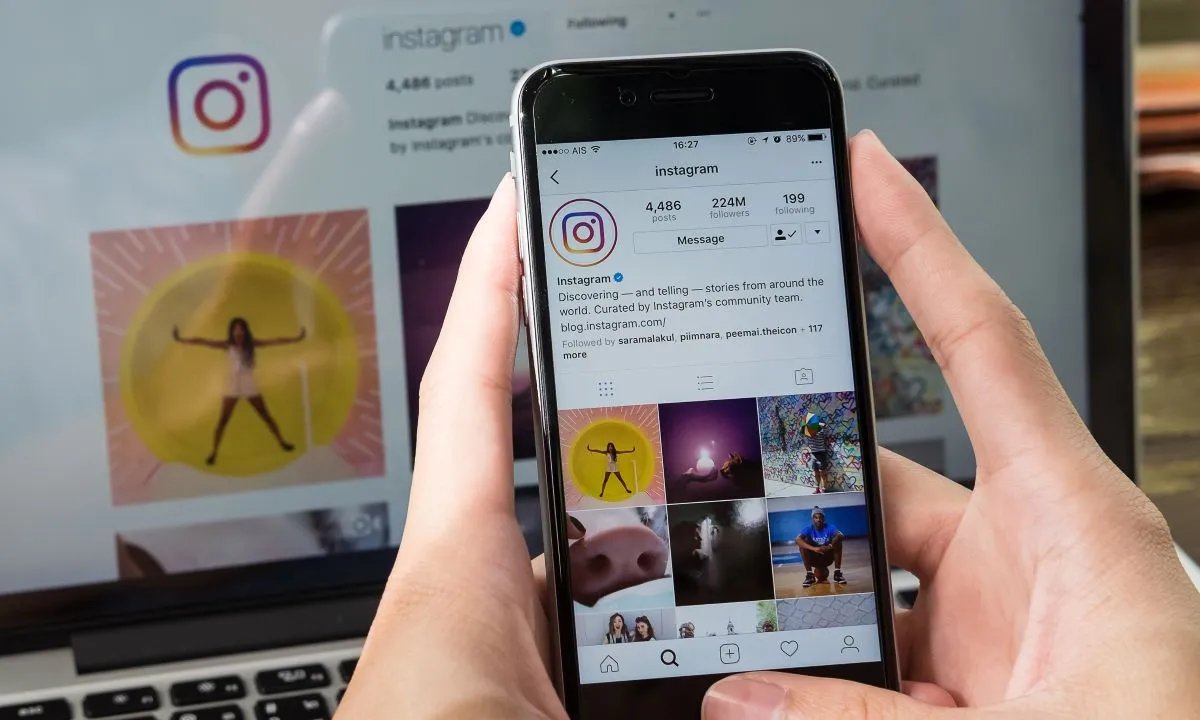
Meta launched Muse Image, the first artificial intelligence image model from Meta Superintelligence Labs. The feature drew immediate pushback because anyone can generate an image of another person by tagging their public Instagram username in a prompt, and public accounts are included by default unless users navigate to a buried setting to opt out, Wired reported.
Meta’s own policy states that users “will not be notified about content created using AI features at Meta.” The opt-out also does not apply retroactively. Images generated before a user turns off the setting remain in the system, Cryptopolitan reported.
The commercial logic behind the feature is straightforward. Instagram reaches about 3 billion users as of late 2025. Meta plans to open Muse Image to advertisers and agencies through its Advantage+ creative tools within weeks, letting businesses generate marketing images and produce ad variations at scale, Meta said. Early advertiser tests cited higher-quality creative with photorealism and product integrity, PYMNTS reported. The same system that lets a friend generate a birthday invitation using your photos also lets a brand generate ad creative using a creator’s public profile, without needing permission.
Instagram’s Identity Data Is the Moat Other Image Models Cannot Replicate
Competition in AI image generation is intensifying. Meta claims Muse Image beats Google’s Nano Banana 2 on image generation and editing benchmarks, though it trails OpenAI’s latest image tool in overall quality, TechWeez reported.
The launch also ends Meta’s partnership with Midjourney, whose technology previously powered image generation inside the Meta AI app.
What distinguishes Muse Image from standalone image generators like Midjourney or DALL-E is not model quality but distribution. Meta has already generated more than 20 billion images with its AI tools across its platforms, PYMNTS reported. Those platforms also carry billions of authenticated identity profiles, real names tied to verified faces, that no independent image model can access.
That identity layer is what makes the Instagram tagging feature commercially significant and what makes it a regulatory risk. Meta paid a $5 billion fine from the Federal Trade Commission (FTC) in 2019 over the Cambridge Analytica scandal. It shut down Facebook’s facial recognition system in 2021 amid lawsuits and regulatory pressure over biometric data collection, TechCrunch reported.
Muse Image’s opt-out default fits that same pattern: broad use of user data unless people actively turn it off — a design choice privacy advocates and regulators have challenged repeatedly. Cryptopolitan reported that the feature raises General Data Protection Regulation (GDPR) compliance questions in the EU and potential biometric privacy liability, and that Meta has made no GDPR-specific disclosures around the launch.
The Advertising Case Is Clear. The Consent Framework Is Not.
Meta is under significant pressure to show its AI investments generate revenue. William Blair analyst Ralph Schackart told CNBC, “Meta needs to provide more proof points of both adoption and commercialization.” The company has guided AI capital expenditures of $115 billion to $135 billion in 2026, nearly twice last year’s figure, PYMNTS reported.
Muse Image addresses both pressures simultaneously. It gives consumers a free creative tool embedded across platforms they already use and gives advertisers a personalization engine trained on billions of authenticated user identities. Muse Video, a video generation model built on the same system, is already in development and expected to reach the public within months, Meta said.
The consent architecture running beneath all of it is opt-out, not opt-in. That distinction matters because most users will not find the setting, and some who look for it on launch day could not locate it at all. Public photos posted for an audience of followers become reusable inputs for AI generation by strangers, advertisers and Meta’s own ad system without any action required from the account holder. The feature is free to use. The identity data powering it belongs to the people who posted it. Whether they agreed to that use is now a question for regulators in multiple jurisdictions.
For all PYMNTS AI coverage, subscribe to the daily AI Newsletter.