In HelloNation, Tree Care Expert Pete Grisewood Details Signs a Tree Should Be Removed Before It Becomes Hazardous
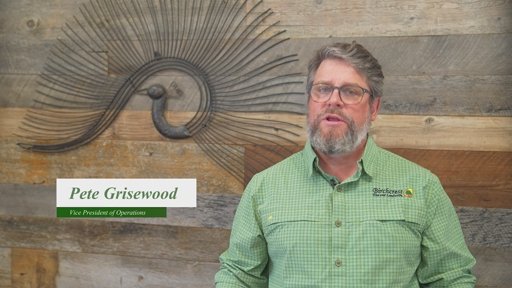
The article explains how recognizing warning signs early can help property owners reduce safety risks and make informed tree care decisions.
ROCHESTER, N.Y., July 8, 2026 /PRNewswire/ — How do I know if a tree should be removed? The answer is provided in a HelloNation article featuring insights from Tree Care Expert Pete Grisewood of Birchcrest Tree & Landscape in Rochester, New York.
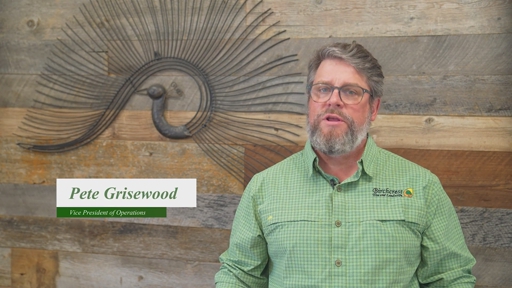
Trees are valuable additions to residential and commercial properties, providing shade, beauty, privacy, and environmental benefits. The HelloNation article explains that while many trees remain healthy for decades, some eventually develop structural or health-related issues that increase the risk of failure. Understanding these warning signs can help property owners take action before a dangerous situation develops.
One of the most common indicators discussed in the article is the presence of large dead branches. Dead limbs become increasingly brittle as they stop receiving nutrients, making them more likely to break during periods of high wind, heavy rain, or snow accumulation. The article notes that while a few small dead branches may not indicate a serious concern, multiple large dead limbs can signal broader health issues that warrant a professional tree evaluation.
The article also identifies trunk cracks as a significant warning sign. Because the trunk serves as the primary support structure of a tree, substantial cracks can compromise stability and increase the likelihood of failure. Some trunk cracks remain superficial, while others extend deeper into the wood and indicate more serious structural weakness. The article recommends a professional tree evaluation whenever significant cracking is observed.
Another issue examined in the article is the presence of a leaning tree. While some trees naturally grow at an angle without creating safety concerns, a leaning tree that has recently shifted or continues to lean more noticeably over time may indicate root instability, soil movement, or internal damage. The article explains that when a leaning tree is located near homes, sidewalks, driveways, or utility lines, the potential consequences of failure become much greater.
Root damage is another factor that can contribute to instability. The article describes how construction projects, trenching, erosion, soil compaction, and severe weather can all affect root systems. Because roots remain hidden below the surface, problems may go unnoticed until visible symptoms begin to appear. Extensive root damage can weaken structural support and reduce a tree’s ability to withstand storms or saturated soil conditions.
According to the article, a hazardous tree often provides visible warning signs long before it becomes an immediate threat. The article notes that Tree Care Experts frequently rely on these indicators when evaluating risk and determining whether corrective measures remain possible. Early identification of concerns can help property owners address problems before they become emergencies.
Storm damage is another important concern highlighted in the article. Strong winds, lightning strikes, ice accumulation, and heavy snowfall can weaken trees even when no obvious damage is immediately visible. The article explains that storm damage may create hidden cracks, split limbs, or internal decay that affect long-term stability. A professional tree evaluation following severe weather can help identify these concerns before they worsen.
Disease and decay also play a major role in determining whether tree removal may be necessary. Signs such as fungal growth near the base of a tree, hollow sections within the trunk, peeling bark, and extensive deadwood can indicate internal deterioration. While some conditions can be managed successfully, advanced decay may leave a hazardous tree unable to support its own weight safely. In these situations, tree removal often becomes the most responsible course of action.
The article concludes that location is an important factor when evaluating risk. A hazardous tree in an isolated area may present limited concern, while the same tree located near buildings, vehicles, or gathering spaces can create substantial danger. Tree Care Experts often consider both the condition of the tree and its surroundings when making recommendations. By recognizing warning signs such as trunk cracks, root damage, storm damage, large dead branches, and a leaning tree, property owners can take proactive steps to protect people, property, and surrounding landscapes.
Signs a Tree Should Be Removed Before It Becomes Hazardous features insights from Pete Grisewood, Tree Care Expert of Rochester, New York, in HelloNation.
About HelloNation
HelloNation is America’s Good News Network, a premier media platform built on the idea that good news travels faster when real people tell real stories. Through its community-focused publications and innovative “edvertising” approach, HelloNation delivers content that informs, inspires, and spotlights the leaders making a meaningful impact in their communities.
SOURCE HelloNation
