Elevated Housing Demand Fueling Record-High Home Prices
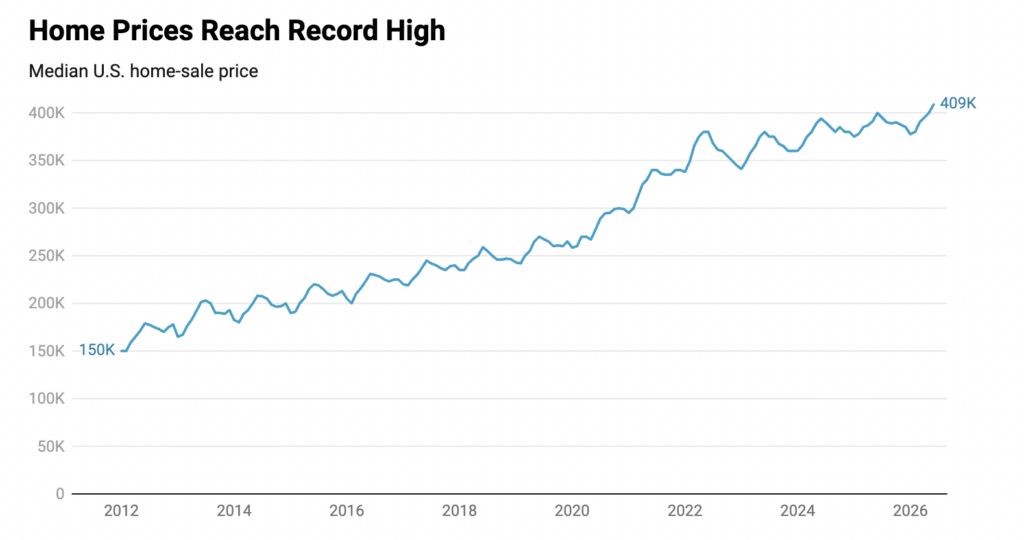
In June, the median sale price of homes in the U.S. increased by an estimated 2.2% compared to the previous year, reaching a new record high of $408,776, according to Redfin.
The U.S. existing-home sales increased by 0.1% month-over-month (MoM), reaching a seasonally adjusted annual rate of approximately 4.4 million, marking the highest level since November 2022. Compared to the same month last year, existing-home sales experienced a rise of roughly 4.2% from June of the previous year.
The overall number of homes sold, which includes both existing and newly constructed properties, decreased by 0.5% in June compared to the previous month. However, this figure remains at the second-highest level since October 2022 and reflects a year-over-year (YoY) increase of 4.5%.
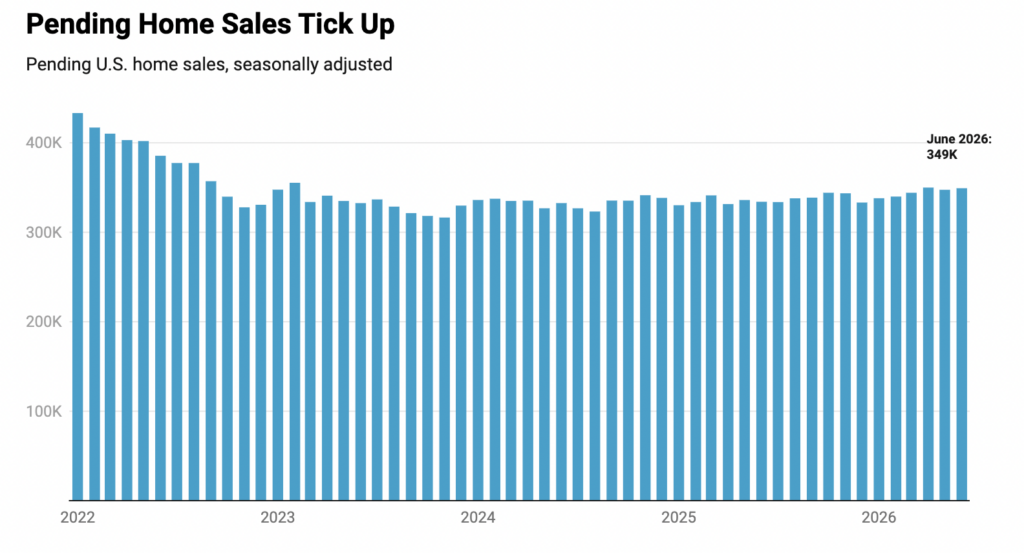
Pending home sales also experienced an increase in June. They rose by 0.5% from the previous month, reaching their highest point since 2023, aside from April. When compared to the same month last year, pending sales saw a rise of 4.5%.
High-End Buyers Fueling Home Sale & Price Increases
Wealthy homebuyers from the Bay Area and South Florida significantly contributed to the robust housing market observed in June. San Francisco experienced a 9.2% YoY increase in its median home-sale price, marking the highest rise among major U.S. metro areas. Following closely was Pittsburgh, which saw a 9.1% increase, and West Palm Beach, where the median price rose by 8.6%.
According to a separate report by Redfin, luxury sales in both San Francisco and West Palm Beach are contributing to the overall rise in home prices. Both West Palm Beach and San Francisco recorded approximately 23% YoY growth in closed home sales, representing the largest increases among all major U.S. metro areas.
The rise in pending home sales was significantly influenced by San Francisco, which experienced a 16.4% increase YoY, reaching the second-highest level in four years—marking the largest growth among the metro areas analyzed.
“High-end buyers are driving demand and prices in much of the country,” said Chen Zhao, Head of Economics Research at Redfin. “Many of the house hunters who are buying homes are the ones who can afford today’s high prices and elevated mortgage rates without busting their budget. There’s a pool of higher-income buyers who are purchasing seven-figure homes, but a lot of first-time and average move-up buyers are priced out as mortgage rates stay near 6.5%, making monthly payments challenging.”
Recent data also showed that wealthy individuals, including billionaires and executives, are relocating to Florida and purchasing high-priced properties, attracted by the state’s advantageous tax policies, pleasant weather, and coastal living. Conversely, the situation in the Bay Area is distinct, as the AI industry boom is fueling an increase in luxury home sales and elevating property values. Numerous tech employees are leveraging their salaries and bonuses to invest in upscale residences.
Real estate agents from Redfin in various regions across the country, such as Boston and Nashville, TN, report that affluent buyers are also supporting their local markets.
Further, the average 30-year mortgage rate in June was recorded at 6.49%, reflecting a minor rise from the prior month, which further aggravated high prices and increased monthly payments. Elevated housing expenses, coupled with economic uncertainties such as the Iran war and inflation, discouraged some average American prospective buyers, while affluent buyers continued to show interest.
Throughout a significant portion of 2024, the median sale price of homes in the U.S. experienced an annual increase of approximately 5%, while during the homebuying surge of the pandemic in 2021-2022, this figure rose by double digits. The current 2% price growth is less than the 3.5% increase in U.S. wages, indicating that homes are becoming marginally more affordable, which is contributing to an uptick in demand. Additionally, the stable labor market across the nation is encouraging some prospective homebuyers.
Housing Competition, New Listing Activity & More
The increasing demand for home purchases is resulting in a somewhat more competitive market. In June, over 22.2% of homes sold in the U.S. exceeded their initial listing price, marking the highest proportion in more than a year when adjusted for seasonal variations. This trend also contributes to the rise in home prices observed in June.
As summer commenced, home sales gained momentum; however, new listings experienced a slight decline of approximately 1% month-over-month in June, reaching their lowest point since December. Potential sellers have recognized that the number of home sellers exceeds that of buyers in the market, leading some to decide to retain their properties until the market achieves a more balanced state.
New listings are experiencing the most significant decline in metropolitan areas characterized by robust buyer’s markets. The largest decreases were observed in Dallas (-6.5%), Fort Worth, TX (-6.2%), and Jacksonville, FL (-5.5%).
Additional Regional Highlights:
Median sale prices rose most from a year earlier in:
- San Francisco (9.2%)
- Pittsburgh (9.1%)
- West Palm Beach, FL (8.6%)
Median sale prices declined most in:
- Seattle, WA (-4.9% )
- San Jose, CA (-3.9%)
- Portland, OR (-1.8%)
Pending sales rose most in:
- San Francisco (16.4%)
- Austin, Texas (13.2%)
- West Palm Beach, FL (13%)
Pending sales declined most in:
- Seattle (-10.8%)
- Houston (-10.5%)
- Denver (-3.1%)
Home sales rose most in:
- West Palm Beach, FL (23.8%)
- San Francisco (23.1%)
- San Diego (12.8%)
Home sales declined most in:
- Philadelphia (-6.8%)
- Seattle, WA (-5.9%)
- Atlanta (-3.7%)
New listings rose most in:
- Philadelphia (16.7%)
- Anaheim, CA (15%)
- St. Louis (13%)
New listings declined most in:
- Dallas (-6.5%)
- Fort Worth, Texas (-6.2%)
- Jacksonville, FL (-5.5%)
Note: All figures in this report are seasonally adjusted, with the exception of median sale price data and mortgage rate data.