Can Burnham’s taxes revive the economy and boost finances?
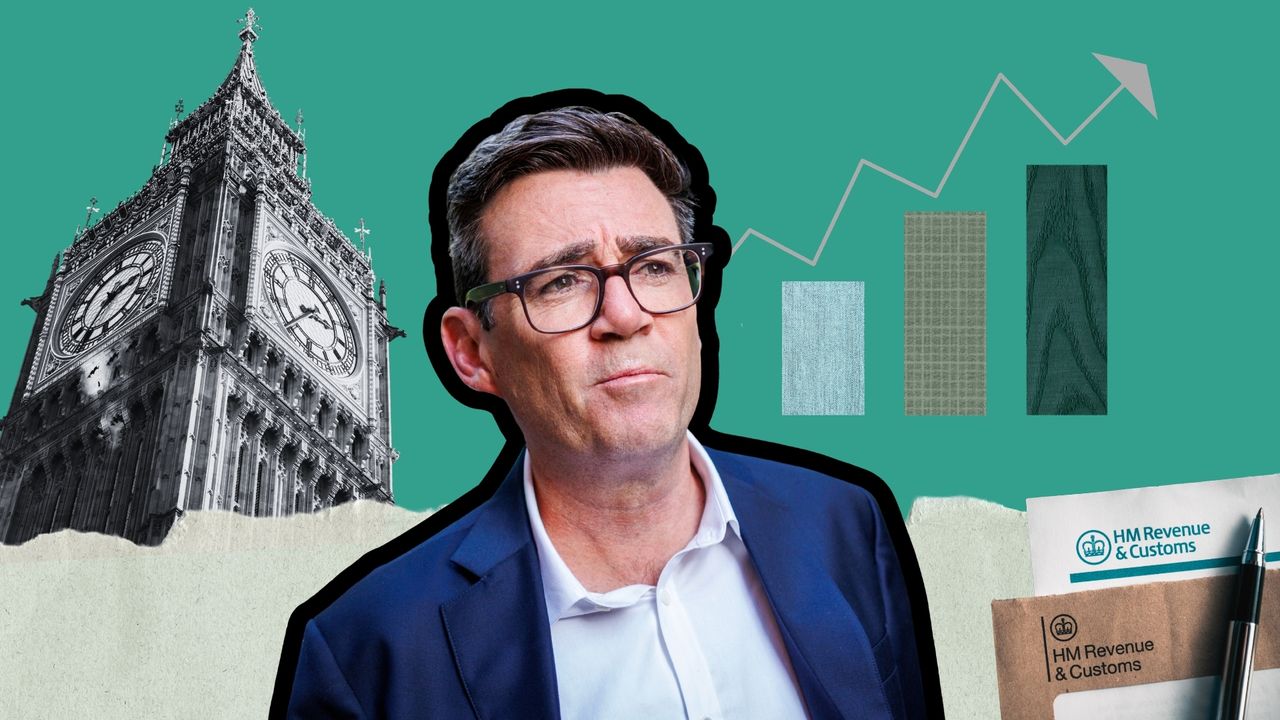
Andy Burnham, the UK’s new prime minister, is never going to be popular with everyone – but this may well be his hardest lesson.
It’s clear he wants to be a superhero prime minister – the hero of UK politics who speaks without a lectern (signifying no barriers) and someone who wants to give power to local authorities rather than just the Number 10 powerhouse. In his words, he “wants to bring back hope” as he attempts to fix the broken political system and the UK economy.
And as such, welfare appears to be at the core of what Burnham wants to achieve by putting an end to rough sleeping, introducing more council homes, and providing more help for young people to end the growing NEET (Not in Employment, Education or Training) crisis. In recognising the cost of living pressures, he pledged breathing space, which has included axing the 5% VAT from electricity bills from October and capping bus fares outside the capital at £2. He’s also announced a 20% cut in business rates for pubs, clubs and music venues from April, though not all hospitality venues are included.
Sign up to Money Morning
Don’t miss the latest investment and personal finances news, market analysis, plus money-saving tips with our free twice-daily newsletter
Don’t miss the latest investment and personal finances news, market analysis, plus money-saving tips with our free twice-daily newsletter
But are his moves bold enough? Removing VAT on electricity bills is estimated to save families around £45 a year, but amounts to a 12p saving per day. The reality is most people will not feel the benefit, especially as average household energy bills are around £2,000 per year.
The bus fare cap is useful for regular bus users, saving around a third off single journeys for many. But households that rely on their own transport are still subject to high prices at the pumps – petrol prices have shot up from around 133p at the start of this year to 151p on average now, the RAC Foundation shows. In the meantime, there is uproar over the £26.2 billion in profits made by energy companies since the start of 2026, according to the End Fuel Poverty Coalition.
You’d be forgiven for calling these measures tokenism, and perhaps that’s all it really is as he figures out how to tackle the bigger problem of reducing government debt, improving the economy and making Britain a great place for investors once again.
But what can we expect to see, and can he, alongside his new chancellor John Healey, deliver on the big issues?
What can Burnham do to boost the UK economy?
Tackling labour productivity would be key. UK productivity has been at a low since 2008, but it is the foundation of economic growth and can improve living standards as it promotes stronger wage growth, too.
Hear more about the UK’s growth problem as economist Julian Jessop talks to MoneyWeek’s Andrew Van Sickle about the UK’s productivity problem in our latest podcast.
Related to productivity and growth is the burgeoning NEETs issue. We cannot afford to let the young generation become a lost generation. Financial advice and wealth management firm St James’s Place estimates that youth unemployment costs the government £125 billion. It is an area Burnham must absolutely focus on. Plus, let’s not forget, without young people in the work system, there is no one funding future state pension payments – today’s workers pay for today’s pensions.
Speaking of pensions, there are also heavy calls for Burnham to scrap the changes to salary sacrifice pension rules. As of next year, only the first £2,000 of salary sacrifice contributions per employee will be exempt from National Insurance contributions.
That, plus changes to inheritance tax (IHT) rules which will bring pensions into an estate for IHT purposes from April 6, 2027, do little to encourage pension saving.
Age UK claims 1.9 million pensions live in relative poverty and is estimated to cost the government around £10 to £15 billion, according to Pensions UK. Simplifying pensions and encouraging savings will be vital, rather than adding barriers that undermine retirement savings.
Care should also be on his mind as an ageing population is also looming and quite possibly the next big crisis to face the UK.
Taxes
While Burnham has ruled against making any changes to the frozen tax allowance, which has stood at £12,570 since 2021, there are calls for the new chancellor to address this in the Autumn Budget.
A £500 increase in the personal allowance would cut income tax bills by £100 for basic rate taxpayers, but could cost the government £35 billion, AJ Bell estimates.
Could a cut to the National Insurance rate be a better alternative to take the pressure off household finances?
Employees currently pay 8% in National Insurance on earnings between £12,570 and £50,270 (the rate is 6% for self-employed profits) and the rate is 2% above the upper earnings limit.
AJ Bell says that cutting each main rate by 1% would cost the government £5.8 billion, but would give workers more breathing space and it would certainly not be seen as just a token gesture; someone earning £35,000 a year could save around £225, compared with a £100 tax saving from a £500 increase in the personal allowance.
Backing British
Former chancellor Rachel Reeves was incredibly keen to get investors backing British companies, so much so, she reduced the cash ISA allowance to £12,000 for under 65s in a bid to shift savers into investing instead. This limit, taking effect in April 2027, will only apply to cash ISAs – and the overall £20,000 ISA allowance remains. Reeves even decided that cash holdings of any kind, such as money market funds, could not be part of a stocks and shares ISA. If any cash is parked in a stocks and shares ISA, interest earned will be taxed.
While in government in the past, the Conservatives proposed a British ISA, an idea that never truly came to fruition.
I don’t think either of these policies would encourage savers to suddenly invest more and in British companies specifically. So, what will Burnham do? Can he save the UK stock market?
I think policies that undermine saving, instead of encouraging it, are bound for failure.
Addressing speculation about hikes to capital gains tax is needed if he is to encourage investors, and if he can also restore political stability, there is a chance the UK stock market could thrive. But to do this, he will have to find a fine balance between public spending and fiscal policies.
Can he do it? It is early days as we wait to see his final 10 year plan. That and Healey’s Autumn Budget will be ones to watch closely as this could really be Labour’s final opportunity to show it can change fortunes, fix politics and bring back stability to the UK.