What’s Next on Washington’s Housing Agenda After Landmark Bill
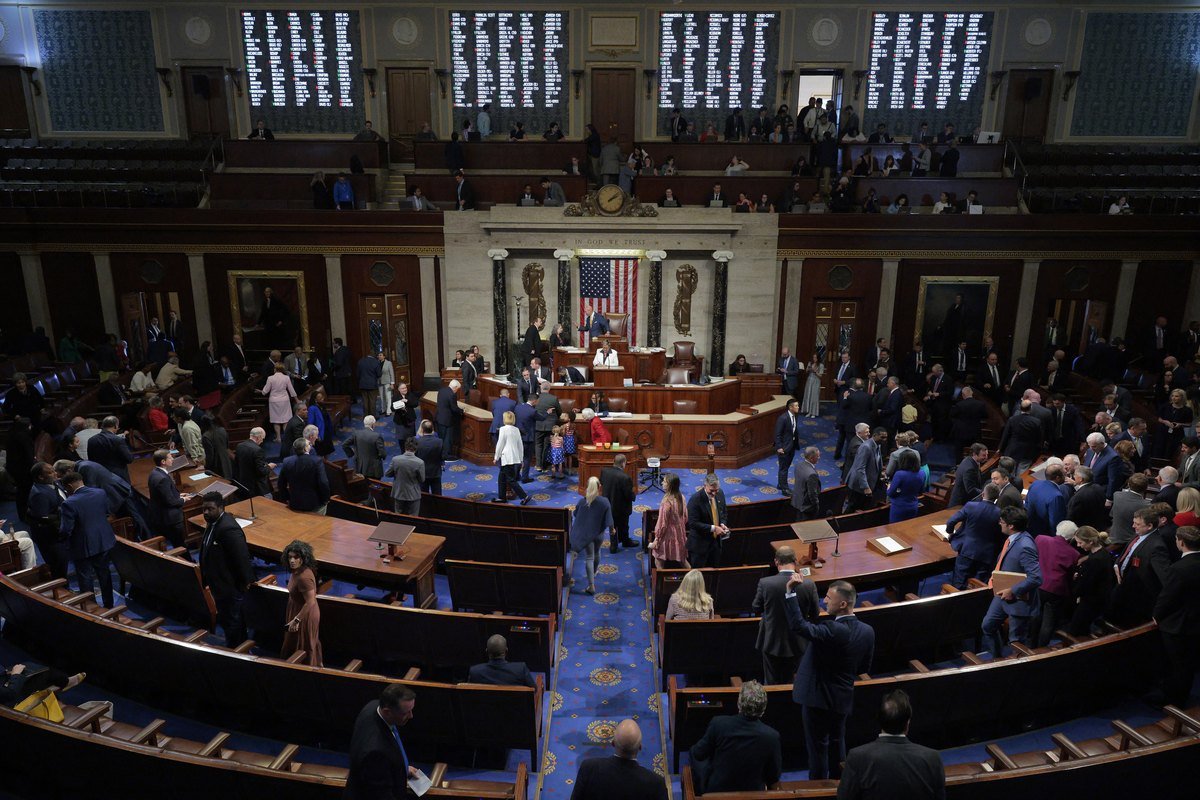
Lawmakers hope the bipartisan momentum brought by a new landmark housing package will bolster the odds of Congress passing more laws aimed at improving housing affordability.
After a roller-coaster ride that included six months of congressional negotiation and brinksmanship by President Donald Trump, the bipartisan, bicameral 21st Century Road to Housing Act is now law.
The bill is one of the most significant housing measures in decades, with over 40 provisions aimed at cutting home construction costs and incentivizing new housing supply.
Congressional leaders hailed the bill as a chance to demonstrate that both parties can work together to solve problems everyday Americans face.
Now, with a host of different affordability issues looming and contentious midterms ahead, Congress has a host of other potential housing issues it could touch.
More questions for institutional investors
As he took to the floor to vouch for the bill before its final passage, House Financial Services Committee Chair Rep. French Hill (R-AK) tried to clarify the intent of the controversial language banning large investors in the housing market.
The investor constraints aren’t intended to penalize housing trusts or housing nonprofits, he said. And the law doesn’t intend to force companies to sell units, or to reduce the supply of rental, student, and military housing.
Hill asked the Department of the Treasury to consider these and other exceptions in formulating its rules going forward.
There are a number of other types of housing, like senior living communities, that should be exempt because they are “unrelated to the problem being addressed” by the bill, Hill said.
Lawmakers had to overcome different definitions of the investor size. They also heard many concerns from the build-to-rent industry that the rules could stifle supply. And then there’s the fact that small investors have an outsized role in the housing market.
Realtor.com® senior economist Joel Berner says there will be chances for regulators to clarify the specific rules. Investors will want the certainty.
“Enforcing the 350-home threshold requires clarity as to how holdings through affiliated entities, subsidiaries, REITs, and joint ventures are counted,” Berner says.
“Also necessary is a definition of a single-family home, which the House revised to exclude manufactured homes. We expect manufactured homes to be especially relevant going forward as the bill makes their construction more affordable,” Berner adds.
NAR pushes for changes to tax code
The National Association of Realtors® has clearly signaled the next target of its lobbying efforts: changing the capital gains tax scheme to reduce tax liability for the profits from home sales, which the group says would encourage more owners to sell.
NAR is backing efforts to raise the exclusion limits on capital gains taxes for home sellers, which currently kick in at $250,000 in profits for single people and $500,000 for joint filers.
Rep. Jimmy Panetta (D-CA) introduced the More Homes on the Market Act, a bill to double the current home sale exemption to $500,000 for individuals and $1 million for couples.
That bill gained about a dozen co-sponsors after NAR came to Washington to lobby for the bill a few weeks ago.
NAR leaders believe it might gain traction later this year. At a conference for members of the trade group, Shannon McGahn, NAR’s chief advocacy officer, said the tax changes would encourage buying and selling without more home construction.
“Nothing’s going to get more homes on the market as quickly as ensuring that there’s not an unnecessary capital gains (tax) placed on them,” McGahn said.
Will deregulation be enough?
The new bill doesn’t actually spend any money directly. It also doesn’t do a ton for the lowest-income renters, aiming for supply-side policies, not more support for housing programs, like rental assistance, Berner says.
“Though this bill’s impact on the housing market will likely not be major or immediate, it begs the question of whether supply-side deregulation is enough,” Berner says.
And the bill doesn’t address the inputs of construction. Think of the longstanding labor shortages and rising costs of building materials plaguing builders, discouraging new-home construction.
Says Berner, “The bill may incentivize zoning changes that get a project approved, but if there’s not the labor and competitively priced materials to build it, what actually happens?”
Rep. Mike Flood (R-NE), who chairs the Housing and Insurance Subcommittee, said he wanted to see the Build America, Buy America Act rules relaxed. That law, passed in 2021, requires federally funded infrastructure projects to use steel and materials produced in the U.S.
Flood also said he wanted to exempt single-family homebuilding from the prevailing wage requirements in the Davis-Bacon and Related Acts.
“It’s not that builders don’t want to pay a prevailing wage,” Flood told Punchbowl News at an event after the House’s final vote. “But in rural areas, we don’t have access to union labor. You’re trying to build a home in remote Texas, just the compliance in there gets you a little bit.”
Tracking success
How the bill’s provisions play out in the housing market remains to be seen. Realtor.com estimates the nation is short more than 4 million homes. The White House estimated the country could need as many as 10 million new homes and rental properties.
Tobias Peter of the the American Enterprise Institute, a critic of the housing bill, said the investor limitations could still stifle housing. Ultimately, the market will show the usefulness of the bill over time.
“Congress has been at this for 90 years, yet they’ve never successfully ramped up a renovation bill,” Peter said on a call with journalists. “There are dozens and dozens of other efforts at the federal, state, and local level. But they have just never scaled and been successful.”
Credit ratings analyst S&P Global said something similar in its analysis of the bill. The reforms will affect many companies in the housing space, but it’s not yet clear how.
“While the bill’s passage is a signal that housing affordability remains a key policy area for elected officials, its provisions could be stymied by inflationary costs for building materials and labor availability. We will monitor how the bill’s provisions are leveraged by the industry.”