What is a ‘Dystopian Nightmare’? The psychology behind the viral trend
First, What Does “Dystopian” Actually Mean?
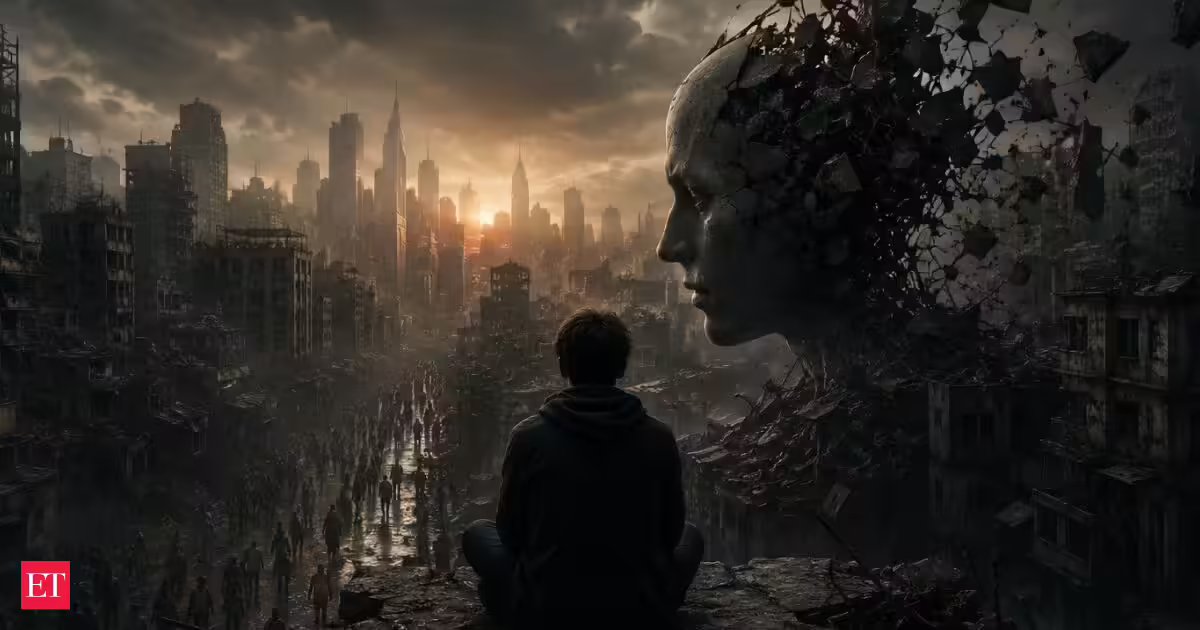
A dystopia is the opposite of a utopia, a fictional society gone wrong, usually marked by surveillance, control, inequality, or the erosion of individual freedom. Think George Orwell’s 1984, Aldous Huxley’s Brave New World, or Black Mirror. For decades, “dystopian” stayed comfortably inside the world of novels and films. What’s changed is that people are now applying the label to real, everyday photographs and videos of their own lives, a jammed expressway, a delivery rider dodging traffic in the rain, an AI voice reading out news, a CCTV-laden apartment complex, and asking, half-joking, half-serious: are we already living inside one of these stories?
Also Read: AI going ‘rogue’ no longer a theory? OpenAI says its AI models found ways to access secret information, cheat an evaluation and hacked Hugging Face
The Dystopian Nightmare Trend
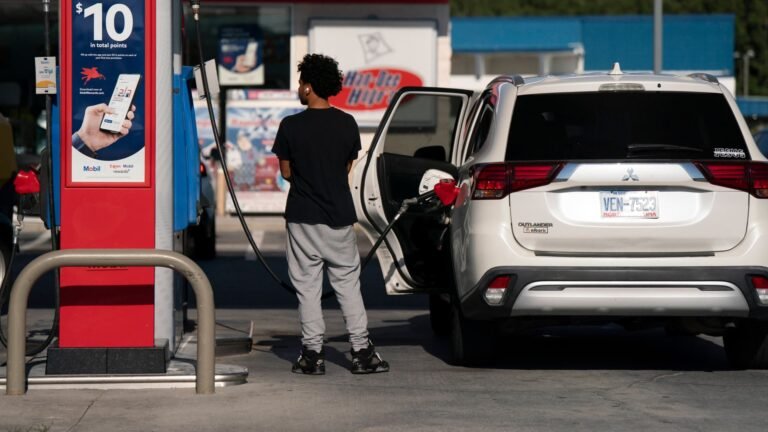
The format is simple and endlessly repeatable. Someone posts an ordinary, sometimes even mundane, image or clip, adds text like “dystopian nightmare unlocked” or “this is not a movie, this is Tuesday,” and it takes off. Often shows up as clips of overcrowded local trains, smog-choked skylines, endless surveillance cameras in housing societies, gig workers racing against delivery-app timers, or screenshots of AI-generated content flooding social feeds. Globally, similar posts circulate about crumbling infrastructure, homelessness, algorithm-driven despair, and children glued to devices. It’s part humour, part horror, and entirely built for virality, because it turns a private unease into a shareable, relatable joke.
So Why Does ‘Dystopian Nightmare’ Resonate With So Many People?
Psychologists point to a handful of overlapping reasons this genre of content spreads so fast.

1. The brain is wired to notice threats first. Humans have a well-documented “negativity bias”, our attention naturally gravitates toward danger, loss, and disorder before it settles on anything positive. A photo captioned as “dystopian” instantly triggers that alertness, which makes people stop scrolling, feel something, and hit share.
2. Algorithms reward exactly this kind of content. Platforms are built to maximise engagement, and content that provokes a strong emotional reaction, outrage, dread, dark humour, tends to get more comments and shares than neutral content. This creates a feedback loop: the more “dystopian” posts get engagement, the more of them the algorithm serves up, reinforcing the feeling that the world really is spiralling. 3. It’s a coping mechanism disguised as a joke. Labelling something “dystopian” lets people voice real anxieties, about AI replacing jobs, climate change, surveillance, inflation, or loneliness, without having to sound alarmist. Dark humour has long been used as a psychological buffer against things that feel too big or too uncertain to process directly.
4. Loss of control breeds this exact kind of narrative. When change feels fast and unpredictable, new AI tools every month, rising living costs, shrinking attention spans, people reach for familiar fictional frameworks to make sense of it. Comparing reality to a dystopian novel gives an otherwise chaotic feeling a name, a shape, and a story arc, which is oddly comforting even when the story itself is bleak.
5. It builds an instant sense of community. Nobody wants to feel like they’re the only one noticing something feels “off.” When a dystopian-themed post gets thousands of comments saying “so real” or “we’re doomed lol,” it validates a private worry and turns it into a shared cultural moment, reducing the isolation that often comes with anxiety about the future.
6. It can genuinely affect sleep and mood. Researchers who study nightmares have found that heavy social media use is linked to more frequent social-media-themed nightmares, and that this pattern is connected to higher anxiety and poorer sleep quality. In other words, doomscrolling through “dystopian” content late at night isn’t just a mood, it can quite literally follow people into their dreams.
Is Dystopian Nightmare Trend Actually a Bad Sign?
Not necessarily. Mental health experts note that using dark humour to name collective anxieties, about AI, climate, surveillance, or economic pressure, is a fairly normal, low-stakes way for large groups of people to process uncertainty together. The concern arises when the joke stops feeling like a joke: if someone finds themselves constantly doomscrolling, feeling persistently hopeless, or losing sleep over this kind of content, it’s worth treating that as a signal to step back, not just a punchline to keep sharing.
The “dystopian nightmare” trend says less about whether the world has actually turned into a Netflix script, and more about how people today are choosing to talk about their anxieties, through humour, hashtags, and a shared vocabulary borrowed from fiction. It’s the internet’s way of collectively saying “does anyone else feel this?”, and, for millions of users, the answer, apparently, is yes.
(This is a sensitive topic for some readers. If content about anxiety, doomscrolling, or online wellbeing is affecting your mood or sleep, consider taking a break from your feed and speaking with someone you trust or a mental health professional.)