Unified Commerce, SoftPOS, and Cloud Hosting Rise Among POS Providers – Digital Transactions
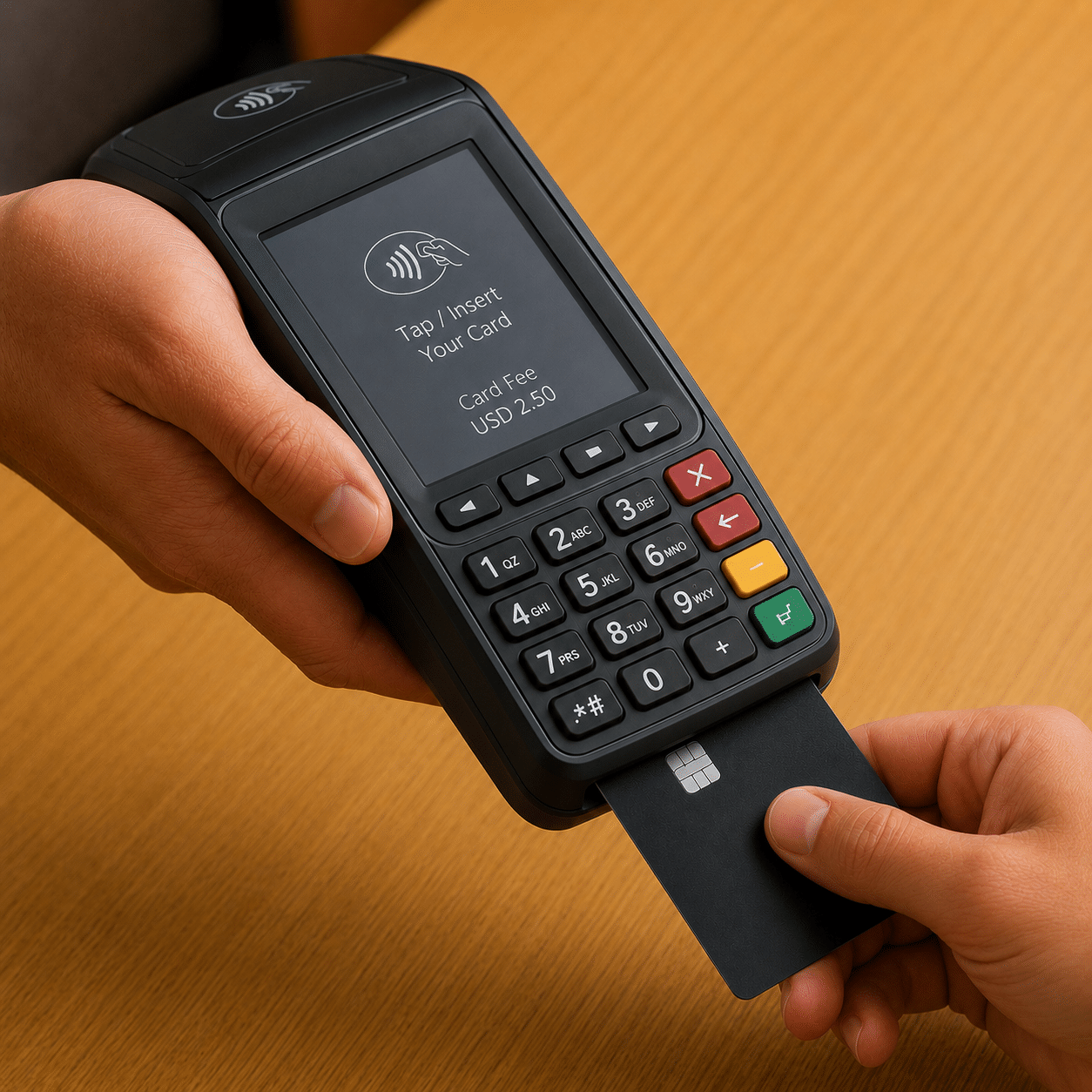
The 2026 edition of the TSG Directory of POS Providers shows further evolution of point-of-sale products to meet changing merchant and consumer demands. Chief among them is the ascendancy of unified commerce, an approach that is similar to omnichannel commerce, but has better consolidated footing.
“Over the past year, POS providers have recognized the importance of a unified commerce experience and begun marketing it,” Alex Ferguson, TSG product manager, tells Digital Transactions News in an email. “In prior years (especially during the pandemic), simply offering omnichannel functionality was enough for POS providers to be competitive as merchants needed to quickly adapt to different ways to sell. Now, several years later, the goalposts of expected presentation and execution of these features have shifted. Omnichannel capabilities are now largely mandatory for any competitive POS product, and how providers have improved the execution and user experience of these functions is how POS providers feel they can win in the market.”
Omnichannel commerce is a term for legacy backend systems that are connected by new technology layers, though the backend systems remain separate and siloed, Ferguson says. In an omnichannel POS environment, a merchant may have integrations with third-party apps and integrated stores that allow POS providers to offer services from other providers, but the presentment and execution are not a uniform experience for the merchant.

“Unified commerce is a ground-up approach that delivers these omnichannel features from a single, centralized database, resulting in a consistent experience for merchants across the platform,” he says.
“They’re very similar concepts that both refer to functionality that connects multiple separate sales channels at the consumer level,” Ferguson says. “The classic example is technology allowing a customer to purchase online but return in-store. The difference lies in the back-end presentation to the merchant, rather than in how the consumer experiences it.”
The 2026 edition also reveals an eight-point increase in the number of POS providers offering softPOS functionality and the continued growth of cloud-based services.
Twenty-four percent of POS providers offer softPOS, which relies on software on consumer devices instead of dedicated POS hardware devices to accept payments, Omaha, Neb.-based TSG says. That’s up from 16% in 2025.
Cloud-hosted services are provided by 79% of directory members, up from 78% in 2025, with only 3% offering on-premise hosting services.