Tap-to-Pay Gives Small Merchants a Big Advantage
A decade ago, accepting card payments at a farmers market, food truck, or pop-up shop often meant investing in bulky hardware, worrying about battery life, and paying for ongoing technical support. Today, a small business owner can accept secure, contactless payments with nothing more than a smartphone.
Tap-to-pay is doing more than speeding up checkout for consumers—it’s lowering the barriers to commerce for micro merchant, giving them access to affordable payment technology, customer insights, and enterprise-level security once reserved for much larger businesses.
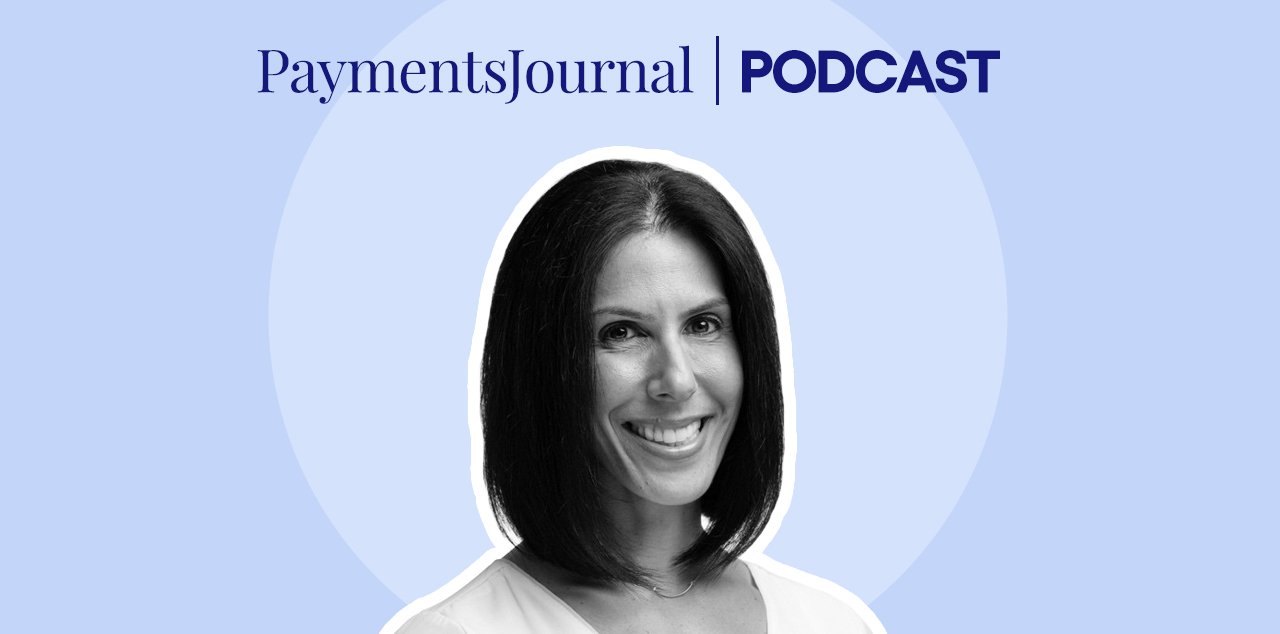
In a PaymentsJournal Podcast, Sara Craven, General Manager at Visa’s Authorize.net, and Don Apgar, Director of Merchant Payments at Javelin Strategy & Research, explored what micro merchants can gain from tap-to-pay. Despite the ease and convenience, these transactions are protected against fraud just as effectively as traditional card payments.
Making It Easier on Customers
Merchants used to be able to get away with accepting only certain payment methods. Today, consumers expect to pay however they want. They want to be able to tap their device—whether it’s Apple Pay, Google Pay, or a credit or debit card—anytime, anywhere.
Tap-to-pay allows even the smallest businesses to accept nearly every type of payment. More importantly, it helps bring more consumers through the door, which can translate into higher revenue.
“I was at a lacrosse tournament with my 14-year-old,” said Craven. “They had these long lines for folks who just wanted to buy a taco and they were only accepting cash. I sat there thinking, if they had tap-to-pay, with the ability to quickly move consumers through their lines and not have to worry about the change or the dollar bills, it could have been game changing.”
Apgar added: “My personal use case is leaving the Kroger the other day and the Girl Scouts had the cookie stand set up out front. I only had $20 in my pocket, so I could only buy four boxes. It was really a heartbreak. Had they had they accepted cards, I certainly would have bought many more than I needed.”
Simple Yet Comprehensive
There’s no need for merchants to purchase dongles or dedicated hardware to set up tap-to-pay. They simply download an app or sign up online, and they’re ready to start accepting payments.
From there, merchants can integrate payments into their broader customer experience. A farmers market vendor, for example, can not only accept payments but also record orders directly on their device, track customer information, and analyze purchase history. From an omnichannel perspective, this gives merchants a centralized view of their operations, including customer activity and overall business performance.
“If we can’t get to the farmers market one week, tap-to-pay still shows my order both from when I purchased in person and also when I purchased online,” said Craven. “It creates a really nice, connected ecosystem for merchants.”
The early days of wireless payment terminals were marked by bulky hardware that resembled old cellular phones. These devices required reliable cell signals, and battery life was often a major limitation. For merchants operating in places without easy access to electricity—such as farmers markets—keeping terminals powered throughout the day was a challenge.
It has also historically been difficult for acquirers and PSPs to efficiently serve micro merchants. Deploying and programing payment terminals is expensive, and ongoing tech support adds even more cost. Tap-to-pay removes much of that burden by eliminating the need for dedicated hardware altogether.
“We’ve got tons of partners who leverage on Authorize.net,” said Craven. “They’re reselling or offering our service to merchants as a streamlined approach to our products. They can also get their merchants onboarded without having to send them devices. It’s super easy for PSPs to scale in this space without the overhead of having to manage hardware deployment and support.”
State-of-the-Art Fraud Controls
Despite its simplicity, tap-to-pay offers the same level of security and reliability as more complex payment systems.
“I joke that my mom is very nervous about using tap-to-pay because she’s worried that the minute she touches her phone or her credit card to someone else’s phone, they’re able to steal her credentials,” said Craven. “But everything is fully encrypted. You don’t see full credit card data. It has a token attached to it so that you’re able to purchase again without having to enter or show your clear card data. They don’t even have PIN numbers that the merchants have accessible.”
Behind the scenes, advanced fraud prevention tools monitor transactions to ensure that in-person payments are being made by the authorized user, based on behavioral patterns and prior usage history associated with the card or device.
Tap-to-pay is also more secure than swiping a card because payment data is encrypted instantly, and there’s no magnetic stripe involved. Consumer can feel confident that their information is protected and that transactions are secure. Much of this security is invisible to the user, but it helps create a seamless and trustworthy experience for both merchants and consumers.
Final Takeaways
As consumer expectations continue to shift toward faster, more flexible payment experiences, tap-to-pay is becoming less of a convenience and more of a competitive necessity for businesses of all sizes.
For micro merchants in particular, the technology removes many of the traditional barriers to accepting digital payments, allowing them to operate with greater mobility, lower overhead costs, and more direct access to customer insights. As smartphones become all-in-one business tools, tap-to-pay is set to play a central role in how small businesses sell, grow, and engage with customers in the years ahead.
“There are so many use cases for that today, especially when you look at the makeup of small business in the U.S.,” said Apgar. “Field services like plumbers, electricians, and real estate agents—the use cases are almost limitless.”
Craven added: “It is table stakes that people expect to be able to tap their device anytime and anywhere. Then you have the age-old problem, I don’t have change for a $50 when I’m at the farmers market. It’s all the benefits of card payments rolled into an easily accessible platform.”