Short Sales Are Rising as Underwater Homeowners Try To Dodge Foreclosure
Although short sales remain relatively rare, they have been gradually creeping up as underwater homeowners seek ways to avoid foreclosure, with a handful of midpriced markets seeing the highest concentration of these deals.
A short sale is a real estate transaction in which a financially distressed homeowner sells their property for less than the balance remaining on their mortgage.
In this scenario, the lender agrees to accept an amount lower than the outstanding loan, to recoup a portion of the debt faster without getting bogged down in a lengthy, costly foreclosure process.
While a short sale is a voluntary process initiated by the homeowner, a foreclosure is involuntary. It occurs when the lender legally repossesses and sells the property after a homeowner defaults on mortgage payments.
Foreclosures outnumber short sales by more than a 2-to-1 margin, and total short sales remain low nationwide compared to historical levels, according to a new Realtor.com® report released on Thursday.
Post-COVID-19 acceleration
Nearly 30,000 short sales took place across the U.S. in 2025, accounting for just 0.6% of all conventional closings and 28% of distressed home sales, the report found.
These numbers are far below the post-Great Recession peak of 2012, when short sales made up nearly 9% of the housing market. At the time, lenders and federal programs, such as the Home Affordable Foreclosure Alternatives initiative, steered underwater borrowers toward short sales to offload homes with negative equity.
“Then the market recovered,” explains Realtor.com economist intern Glen Morgenstern. “Homeowners rebuilt equity, short sales faded along with foreclosures, and the crisis-era programs wound down. Today, short sales are a small corner of the market, but a growing one.”
From 2023 to 2024, short-sale transactions ticked up 4%, but the pace has since quickened. Transactions rose 10% between 2024 and 2025 and 16% in the first quarter of 2026. Morgenstern says this acceleration reflects a broader rise in all types of distressed sales as pandemic-era protections have been phased out.
Short sale hot spots revealed
Although short sales make up a minuscule share of the national housing market, 10 midsized and midpriced U.S. markets stand out for having the highest concentration of short-sale listings.
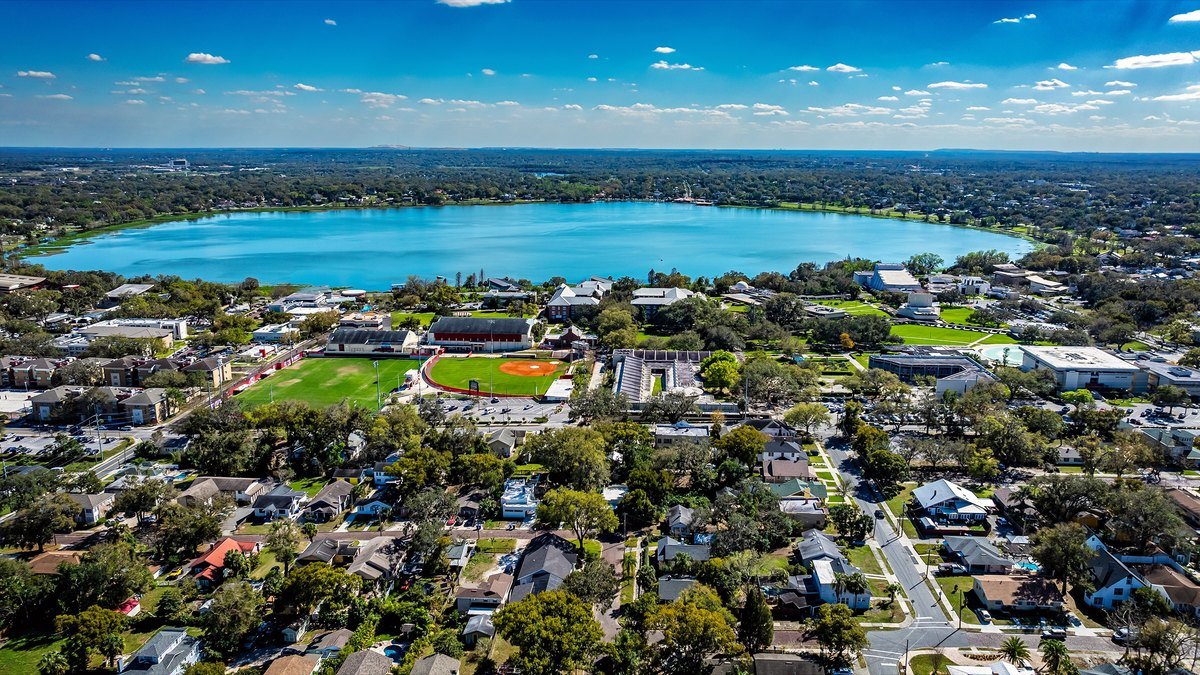
Lakeland, FL, a metro anchored by a college town east of Tampa, tops the list, with 6.7% of local listings being short sales in May 2026. It was followed by two Colorado markets—Pueblo (6.4%) and Colorado Springs (5.8%)—with Putnam, CT (5.6%), and Farmington, NM (5.1%), rounding out the top five.
“These markets skew toward short sales, not just distress in general,” notes Morgenstern. “In May, Lakeland had roughly three short sales for every foreclosure listing, Pueblo about 8 to 1, and Putnam, a small market, had eight short-sale listings and no foreclosures at all.”
The biggest common denominator among these markets is that they experienced a price run-up after 2020, which was followed by softening demand and surging inventory.
In Lakeland, the stock of for-sale homes jumped 60% over three years. Inventory rose 65% in Pueblo and more than 130% in Putnam, all while prices have stagnated or decreased.
“That is enough to leave owners who bought near the peak owing more than the home is now worth, the precondition for a short sale,” adds Morgenstern.
Lakeland’s locked-in homeowners
Brian Stephens, a real estate agent in Lakeland and team leader with eXp Realty, confirms that there are now more short sales in the metro than there have been in a long time. He attributes the trend to stalled home prices over the past two years.
“Those homeowners that purchased in 2021 through 2023 are most of the people in trouble,” Stephens tells Realtor.com. “They overpaid for their homes because there were multiple offers flying around, buyers waiving appraisals, and a frenzy of buyers grabbing the low interest rates that were offered at the time.”
The agent says many who bought homes during the pandemic cannot afford to move due to a lack of equity, and they are unwilling to give up their 2.5% interest rates with current rates hovering in the mid-6% range.
Lakeland’s soft prices are being compounded by Florida‘s rising carrying costs. Home insurance premiums in the state jumped by about 75% between 2021 and 2025, roughly double the national increase. Meanwhile, the median homeowners association fee rose 8% in 2025, to $135 a month.
“Those bills eat into the same thin equity, tipping more stretched owners toward a short sale,” points out Morgenstern.
Perhaps unsurprisingly, a July report from data research firm Cotality listed Lakeland among the markets facing the highest risk of price decline.
Silver lining for homeowners
According to Stephens, what draws distressed homeowners in Lakeland to short sales is that the process is less damaging to their credit than a foreclosure.
“It allows them to clean their credit up in a shorter time frame to hopefully purchase again down the road,” he says.
Additionally, because banks are often less efficient at processing short sales than foreclosures, the process can stretch several months and even up to a year, allowing homeowners to continue living in their properties during the transition period.
“Some lenders tend to work with you more versus a foreclosure [that] is a more intense situation with little to no flexibility for the homeowner,” sums up Stephens.
Lakeland also landed on the top 10 list of markets with the greatest total volume of short sales in May, claiming the eighth spot nationwide with 308 listings. With a metro population of roughly 875,000, Lakeland is a clear outlier in a ranking dominated by America’s major metros, including Miami, New York City, and Chicago.
In fact, Lakeland had more short-sale listings this spring than Washington, DC (282), and Philadelphia (237)—even though both cities have more than seven times Lakeland’s population.