Ripple CEO Says Company Considered Folding Before SEC Fight
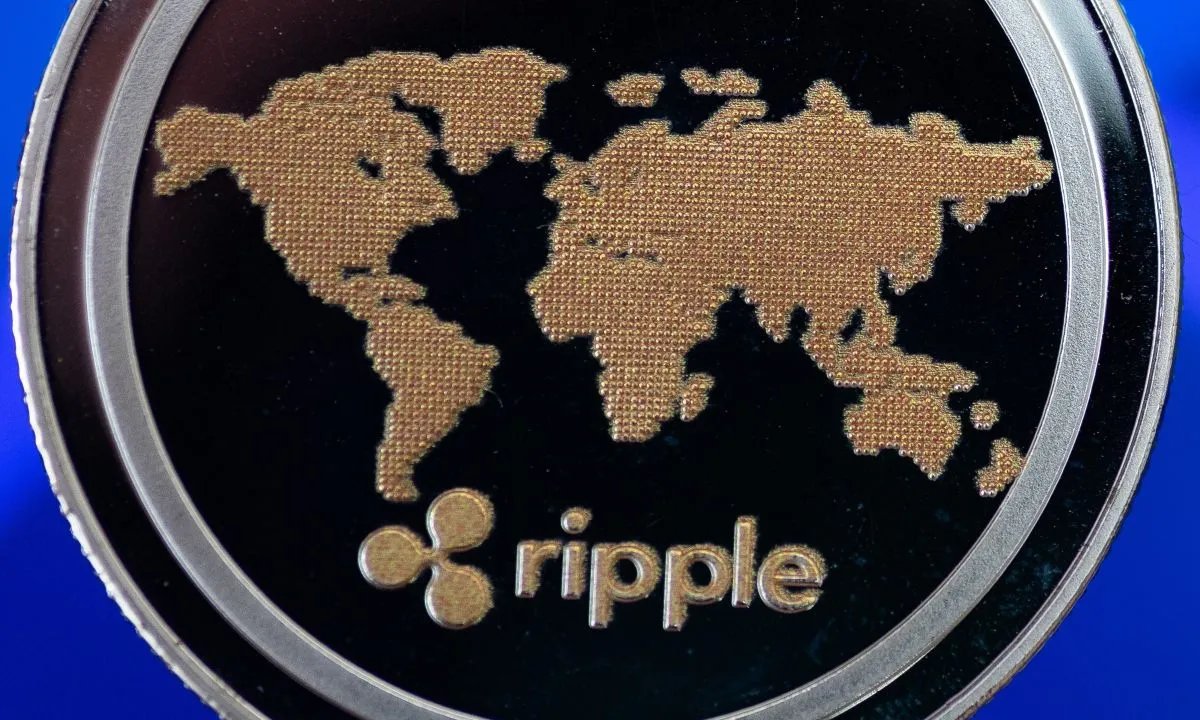
In a talk at the University of Kansas School of Business, Brad Garlinghouse said he and co-founder Chris Larsen weighed winding down the company and distributing its XRP cryptocurrency holdings to shareholders.
The company saw this as the easier path when facing a government with “infinite power and resources,” said Garlinghouse, whose comments were reported Sunday (July 12) by CoinDesk. Instead, Ripple decided to fight the SEC suit, as closing down would have cost hundreds of people their livelihoods, he added.
“I’m glad in retrospect, but that was not obvious at the time,” the CEO said.
The SEC sued Ripple, Garlinghouse and Larsen in 2020, alleging the company had sold XRP as an unregistered security. Garlinghouse said the ensuing legal battle cost Ripple $150 million over the course of four years.
Ripple scored a victory in 2023 when Judge Analisa Torres ruled that XRP was subject to securities laws only when sold to institutional investors. The company and SEC settled their case last year amid a larger scaling back of crypto regulation under the Trump administration.
In other crypto-related news, PYMNTS recently explored the way stablecoin custody could be the business that helps strengthen banks’ positioning in the institutional market.
“Traditional financial institutions already possess traits corporate treasurers value: regulated custody, established payment infrastructure, treasury services and long-standing client relationships,” that report said.
“If those services become the operating center for institutional stablecoins, banks could occupy a pivotal position without necessarily putting their own tokens into circulation.”
That possibility got fresh support with BNY’s announcement last month that it had expanded its partnership with Circle.
The announcement is in keeping with a larger pattern seen in PYMNTS Intelligence research, with corporate finance executives continuing to separate stablecoins from the wider cryptocurrency market.
That research shows that 42% of middle market companies have discussed, tested or used stablecoins, while 30% of those companies have done the same with cryptocurrencies. However, only 13% say they are using stablecoins today, with just 5% reporting live cryptocurrency usage.
“The figures suggest that stablecoins have crossed onto the institutional agenda without becoming standard operating practice,” PYMNTS wrote.