Reaction floods in as BoC holds rates
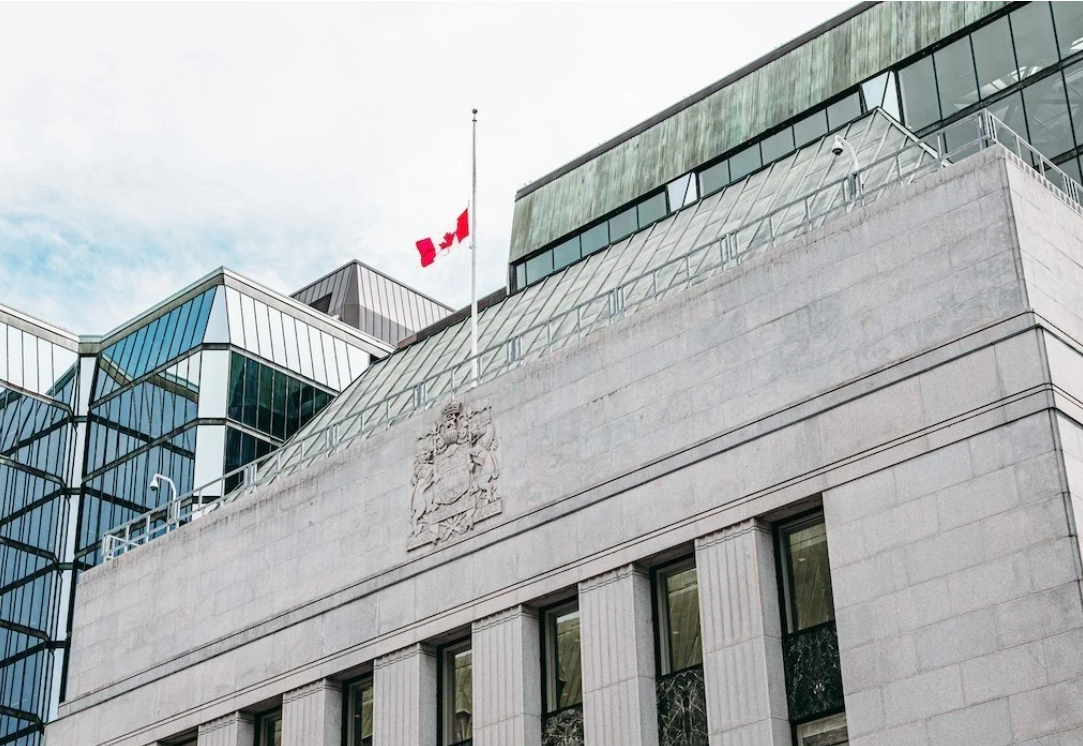
The Bank of Canada held its overnight rate at 2.25% on Wednesday, July 15, its sixth consecutive pause since the cutting cycle ended in October 2025.
As economists broadly anticipated another hold, reaction arrived quickly, with commentary dividing between cautious optimism on the growth outlook and sharper urgency around fixed-rate mortgages.
For Canadians with variable-rate mortgages, the hold changes nothing. Jamie David, Senior Director of Mortgages at Ratehub.ca in Canada, said Wednesday’s decision aligned firmly with market expectations.
“Today’s decision to hold the overnight rate at 2.25% comes as little surprise,” David said.
“The Bank’s message today is one of cautious optimism. There are encouraging signs that the economy is regaining momentum, with growth picking up after a sluggish start to the year and inflation expected to gradually moderate from its recent highs. However, policymakers continue to face considerable uncertainty stemming from the ongoing conflict in Iran and increasingly fractious US trade policy.”
The Bank of Canada has left its policy rate unchanged, holding steady for a sixth consecutive announcement in a decision that will come as little surprise to mortgage and financial market watchers.https://t.co/qvpza42pD3
— Canadian Mortgage Professional Magazine (@CMPmagazine) July 15, 2026
The fixed-rate window is narrowing
Fixed-rate borrowers face a more pressing picture. The five-year Government of Canada (GoC) bond yield — the primary benchmark lenders use when pricing fixed-rate mortgages — was trading near 3.1% in July 2026 after spiking to approximately 3.18% in early July, according to rate analysis by nesto.ca.
That move followed a resumption of the Iran-US conflict and pushed most lenders above 4% on five-year fixed products, even as the lowest available five-year fixed insured rate holds at 3.94%, per Ratehub.ca.
“The recent run-up in yields has prompted widespread rate increases among lenders,” David said.
“The window for borrowers hoping to lock in a fixed rate under 4% is narrowing. Those considering a home purchase this year or with an upcoming renewal may want to act sooner rather than later if they hope to secure today’s lowest rates.”
The Bank’s accompanying July 2026 Monetary Policy Report estimates Q2 GDP growth at 2.5%, following projected full-year 2026 growth of 0.7%.
CPI inflation reached 3.2% in May 2026, driven by higher gasoline prices linked to the Middle East conflict, with core inflation remaining close to 2%.
Economists see a hold through year-end
Douglas Porter, Chief Economist at BMO Economics in Canada, expects no policy movement through year-end.
“The Bank is firmly on hold, and we expect them to remain there through the rest of 2026 — assuming that oil prices don’t flare dramatically higher from here,” Porter said.
Maria Solovieva, CFA and economist at TD Economics in Canada, said there was little in the announcement to surprise forecasters. “There were no surprises in today’s decision — the Bank of Canada’s message remains one of patience,” Solovieva wrote in TD’s July 15 rate commentary.
She identified the Iran conflict’s latest escalation as the key inflation wildcard. “The latest blockade has pushed oil prices roughly 10% higher, placing some upside risk to the BoC’s oil price assumption underpinning their forecast,” Solovieva noted, adding that with core inflation close to target and the economy still operating below capacity, TD continues to expect the Bank to hold for the balance of the year.
At RBC Economics, senior economist Claire Fan in Canada projected a steady-but-watchful stance extending into 2027.
“We continue to expect the BoC to be steady but nimble, holding rates at borderline accommodative levels through 2026, before improving economic conditions prompt moderate rate hikes in 2027,” Fan wrote in RBC’s post-decision analysis.
Fan cautioned that while Q2 growth looks strong, it “largely reflects the unwinding of temporary factors,” with economic slack remaining present and the output gap coming in slightly wider than the Bank had anticipated in April 2026.
CIBC economist Katherine Judge, also in Canada, characterised the Bank’s communications as deliberately balanced. In CIBC’s July 15 note, Judge described the BoC as having “struck a data-dependent and relatively neutral tone,” with Governor Tiff Macklem reiterating in press conference responses that monetary policy remains nimble and capable of moving in either direction should conditions warrant.
Meanwhile, Scotiabank Economics expects that the BoC will raise interest rates twice before the year is out.
Investors and the housing sector
Mark Fieder, Principal and President of Avison Young Canada, said the hold was expected given healthy recent economic data.
“Private and institutional investors, while cautious, continue to gravitate toward high-quality core real estate, seeking durable income and stability,” Fieder said, adding that bond yields had stabilised back toward year-start levels after a turbulent first half.
Canada’s housing market outlook for the rest of 2026 shifted further this week after the Canadian Real Estate Association (CREA) revised its national home sales forecast downward, projecting a 1.4% annual decline for 2026.
The national aggregate home price fell 1.4% year over year to $814,900 in the second quarter, per the Royal LePage House Price Survey. The Bank’s next rate announcement is scheduled for September 2.
Make sure to get all the latest news to your inbox on Canada’s mortgage and housing markets by signing up for our free daily newsletter here.