Peril Claims Reach All-Time High as Many Areas Remain At-Risk
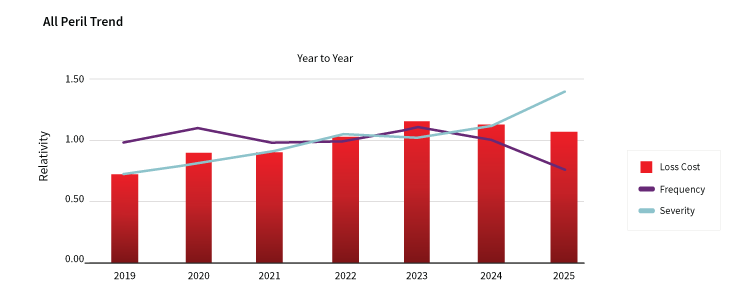
According to the 2026 LexisNexis U.S. Home Trends Report, trends in home insurance losses are evolving: a decrease in frequency coupled with an increase in severity. This year’s report, which analyzes property exposures and losses from 2019 to 2025, emphasizes the changing trends in home insurance claims. While the frequency of claims decreased for all perils except Fire and Lightning, this reduction was counterbalanced by a rise in severity, reaching its highest level in seven years.
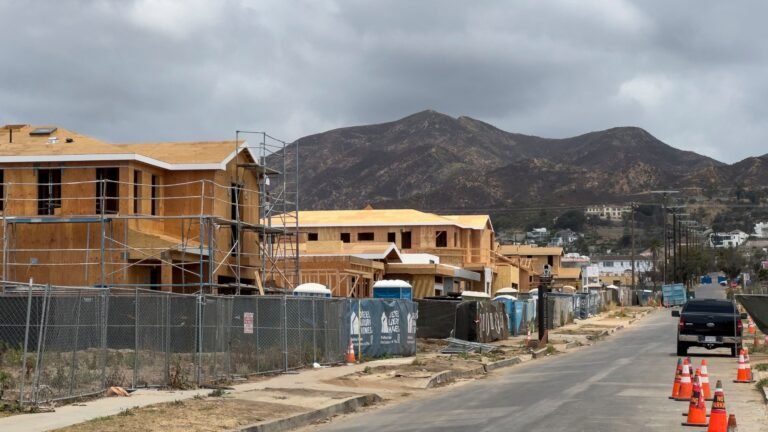
In 2025, the U.S. experienced 23 weather and climate-related disasters, resulting in damages amounting to $115 billion. Among these events, the wildfires in Los Angeles were noted as the most expensive wildfire in U.S. history, with estimated costs exceeding $61 billion. As climate change prolongs periods of extreme weather and broadens the regions at risk, both homeowners and insurance providers are confronted with heightened exposure. To effectively prepare, home insurance companies must analyze long-term trends associated with various perils.
Key Findings:
- Severity reached its peak across all perils in the past seven years in 2025.
- With an estimated 93.2% increase since 2019, the escalation in severity counterbalanced a significant drop in frequency, leading to a mere 4.4% reduction in loss cost compared to 2024.
- In 2025, the costs and severity associated with fire and lightning escalated significantly, surpassing what could have been anticipated based on the peril’s increasing trend since 2019.
- For non-weather related water perils, severity increased by 63.16% from 2019, maintaining its consistent upward trajectory.
- California recorded the highest loss cost for All Peril claims in 2025, primarily due to the wildfires in Los Angeles that occurred in January.
- The loss cost associated with Fire and Lightning surged by 76.8%, while severity escalated by 67.3% year over year from 2024, largely attributed to the significant expenses incurred from the Los Angeles fires.
- Wyoming and Missouri were among the top five states with the highest loss costs in 2025, influenced by wind and hail events.
- The frequency of all perils declined in 2025, with the exception of Fire and Lightning, which experienced a slight increase of 6.0% from 2024.
- Catastrophe claims constituted only 42% of Weather Related Water claims, representing the lowest percentage in seven years.
- The severity of liability claims rose by 12.8% year over year from 2024.
- The frequency and loss costs associated with theft continued to decline in 2025.
All-Peril Severity by Year (2025):
Non-Weather Related Water Claims are considered the most preventable of major loss cost events—carriers could help mitigate these losses by keeping consumers abreast of appliance recalls and encouraging the use of leak detection devices. Regarding Fire and Lighting Perils, increases were probably a result of the highly expensive wildfires that occurred in Los Angeles in January.
Among the 23 billion-dollar weather events, five were identified as hail events. The third most expensive weather event was a tornado outbreak accompanied by severe storms in mid-May, affecting the north central and eastern regions of the U.S., which resulted in significant hail and incurred an estimated total cost of $6.3 billion.
The Wind, Hail, and Weather-Related Water Perils all saw a reduction in loss costs, corresponding with the decreased frequency of claims in 2025. Although the hail peril experienced a slight uptick in the number of catastrophe claims, hail loss costs are highly influenced by the location of catastrophic weather events, the value of housing and replacement expenses, as well as the density of housing. Coupled with increasing severity, these elements indicate that this temporary relief may not last long. Additionally, loss costs and frequency declined for Non-Weather Related Water, Theft, and Liability Perils, with Theft Loss costs reaching their lowest point in seven years.
However, severity increased for each of these perils. Given the fluctuating inflation rates, rising labor costs, and unpredictable catastrophe claims, it is crucial for home insurance providers to access peril-related trend data. A more extensive and comprehensive dataset enables carriers to assess their business portfolios within the context of market dynamics. This can enhance their capacity to validate strategies, benchmark performance, and identify new opportunities. By monitoring peril-specific trends over time, carriers and underwriters can more precisely evaluate and price risk, as well as discover opportunities to better address customer needs through innovative products and solutions.
Regional Trends
The reduced frequency of claims in 2025 corresponded with a decline in catastrophe claims, which are significantly affected by the seasonal patterns of wildfires, hurricanes, and storms characterized by hail and wind. However, the minor relief in loss costs for homeowners and insurers in 2025 is anticipated to be temporary. As the occurrence of climate-related disasters continues to rise, an increase in loss costs is projected. According to Climate Central, the interval between billion-dollar events has decreased from 82 days in the 1980s to 16 days over the past decade, with the average duration between these expensive incidents in 2025 being only 10 days.
For the past seven years, Nebraska recorded the highest average loss costs for claims across all perils. Nevertheless, in 2025, California faced the highest loss costs due to wildfires, while Wyoming and Missouri ranked second and third, respectively, for costs associated with wind and hail activity resulting from severe convective weather in the central U.S.
In 2025, the severity of all perils combined increased by 25.9% compared to 2024, marking a significant rise of 93.2% since 2019. A reduction in frequency and a lower proportion of catastrophe claims somewhat mitigated the severity increase, resulting in loss costs that were 4.4% lower across all perils than in 2024. Nevertheless, the most expensive billion-dollar climate disaster of the year, the Los Angeles wildfires in January 2025, kept loss costs above the seven-year average for All Perils, leading to substantial year-over-year increases in severity and loss costs specifically for the Fire and Lightning peril. This serves as a stark reminder of the potential consequences of even a single extreme weather event.
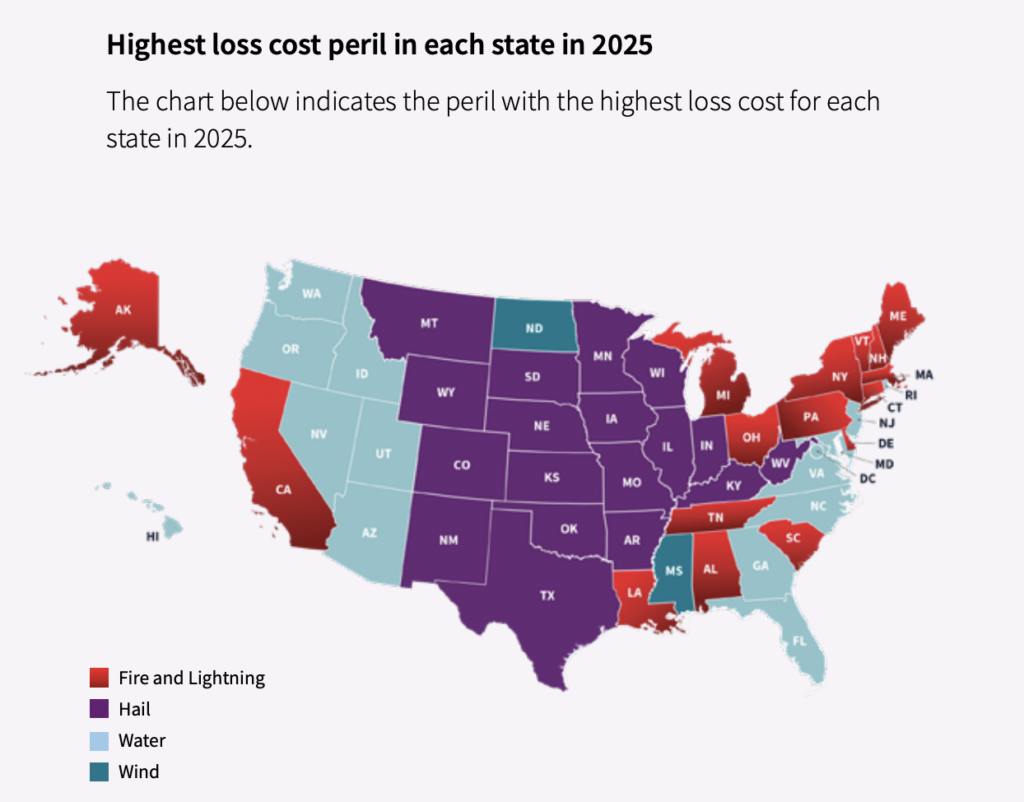
Overall, insurers experienced a decrease in claim frequency, with year-over-year reductions observed for every peril except Fire and Lightning. However, such decreases should not be anticipated to persist as the frequency of billion-dollar weather events and severe storms continues to rise. In 2025 alone, the United States faced 23 distinct billion-dollar weather disasters, the third highest total ever recorded in a single calendar year.
Considering the seasonal and annual fluctuations of perils, it is crucial for insurers to comprehend both specific peril trends and broader macro-level patterns. Relying on limited data can result in a skewed perspective or unwarranted confidence, while analyzing seven-year industry trends can offer a more dependable basis for informed decision-making and facilitate more accurate and profitable pricing.
To read the full report, click here.