New Housing Law To Send Institutional Investors Flocking To Build-To-Rent
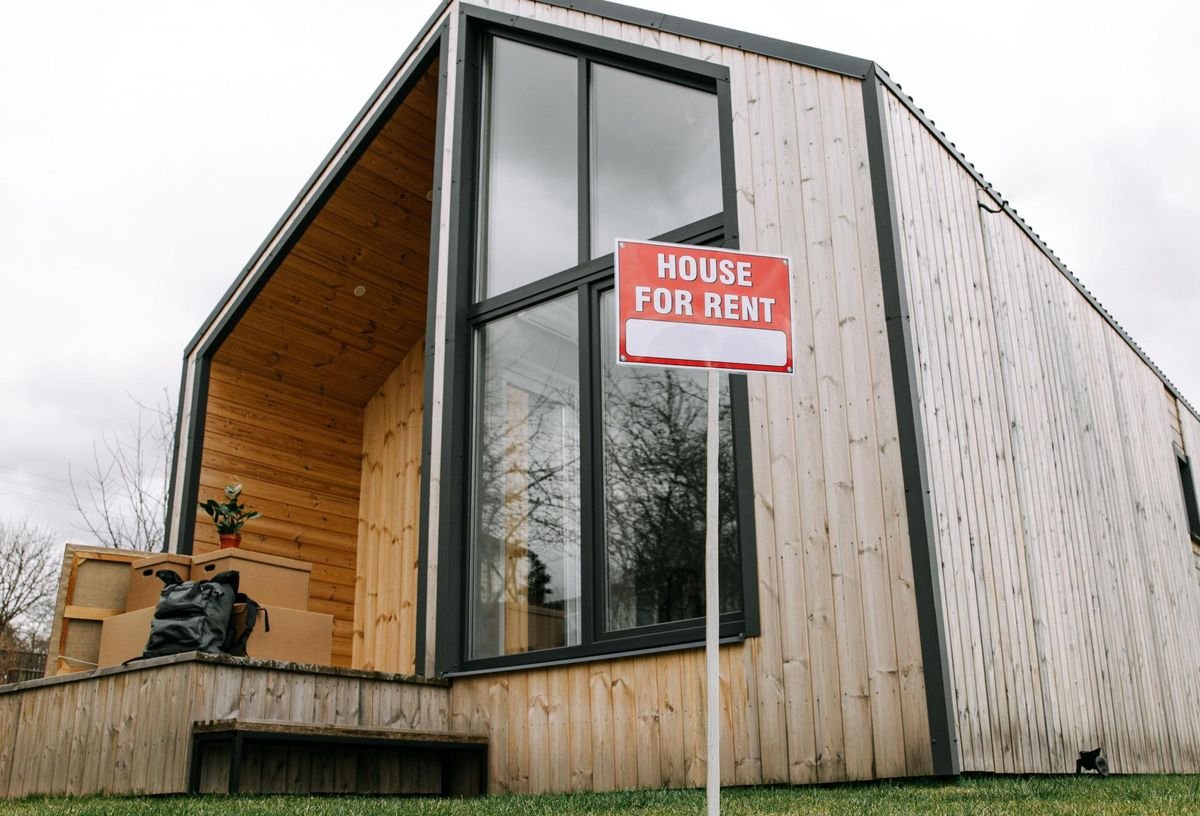
The new sweeping federal housing law is poised to fundamentally change the flow of institutional investment in the residential sector, potentially resulting in a rebound of construction of build-to-rent properties.
The 21st Century Road to Housing Act became law on Saturday without President Donald Trump’s backing. Among the provisions, the law largely prohibits large institutional investors from owning more than 350 single-family homes. An exception to that cap is homes built specifically as rentals, opening the door for investors to shift their money into the BTR space.
“BTR could absolutely be one of the biggest winners,” said Brad Hunter, president of Hunter Housing Economics, a market research and consulting firm. “The bill makes BTR the clearest remaining pathway for institutional capital that still wants exposure to single-family rental demand.”

That carve-out is expected to create a paradigm shift in Atlanta, where institutional investors control nearly 30% of the city’s single-family homes and rental fundamentals continue to rebound, real estate experts told Bisnow. As housing demand rises, an increase in BTR construction could give households in Metro Atlanta more options to rent single-family homes, as higher interest rates and inflated housing costs have priced out many would-be buyers.
More than 100,000 build-to-rent homes were under development in the U.S. last year, with more than 6,800 underway in Metro Atlanta, according to Yardi Matrix. The pace of development in the region doubled from a year earlier, according to Yardi.
“This will now be the future of single-family rental housing,” said Richard Ross, CEO of Quinn Residences, a BTR housing developer planning a pipeline of 1,500 homes over the next 12 months, including 500 in Georgia.
That pipeline halted earlier this year when the Senate passed a version of the bill that included controversial restrictions on BTR operators. Ross said the prospect of that measure chilled the entire industry, but now BTR developers are gearing up again.
“Buying one-off homes, that party is over, unless you have a major economic event,” he said.
Chase Davidson, director of build-to-rent for multifamily developer RangeWater Real Estate, said he expects RangeWater’s BTR development activity will be “business as usual or ramp up.”
“We think the supply side could look better after this,” Davidson said. “So we’re optimistic.”
Institutional owners control around 72,000 homes in Metro Atlanta — the most of any major metropolitan area in the U.S., according to an April report from the American Economic Liberties Project. An Atlanta Journal-Constitution investigation in 2023 found that 11 companies owned 1,000 or more houses each in Georgia.
Institutional investors flocked to Metro Atlanta to buy up homes and convert them to rentals after the Global Financial Crisis, when home values plunged and households were willing to sell off their properties. At the same time, regulations in Georgia and Atlanta heavily favored landlords, according to the AELP report.
“Institutional investors took advantage of the constricted supply — and made it worse,” the report says. “Even as Atlanta’s home prices appear moderate on a national basis, it has become harder for Atlanta families to purchase a home, as prices have outpaced income growth more than in other major metro areas.”
The median home price in Metro Atlanta jumped from $320K at the start of 2022 to $429K as of June, according to Realtor.com data.

Bisnow/Jarred Schenke
Quinn Residences CEO Richard Ross and RangeWater Real Estate Managing Director Karen Key
From Scattered Rentals To BTR Communities
The housing bill passed Congress in June with strong bipartisan support after several months of negotiations. Trump refused to sign the bill in protest over the Senate’s failure to pass his Safeguard American Voter Eligibility Act. But the 21st Century Road to Housing Act became law as Friday turned to Saturday, without Trump’s signature.
The law was designed to help spur new housing development in the U.S. while also decreasing costs and rents. An early Senate version sought to require developers of build-to-rent homes to sell their stock of housing after seven years. That version, introduced in March, also sought an outright ban on large institutions buying existing single-family houses.
The Senate’s seven-year forced-sale provision sent shockwaves through the BTR industry, freezing up a pipeline of development activity as Congress continued to hash out the final version of the bill, Bisnow previously reported.
Ultimately, the final law is friendlier to the BTR industry. The House version of the bill later added caveats to the institutional homeownership provision, and lawmakers stripped out the seven-year forced-sale requirement.
Hunter said he now expects institutional capital to flow more into the BTR sector without the seven-year forced-sale provision and with the single-family homeownership cap.
“BTR is suddenly the chief way institutional capital can still participate in the single-family rental space,” he said. “Instead of expanding scattered-site SFR portfolios, more capital is likely to flow into purpose-built BTR communities, which means the institutional role may persist, but in a form that adds new supply rather than competing for existing homes.”
The goal of the single-family home cap was to make the market more competitive for individuals and families trying to buy homes. But some experts say the law likely won’t be able to address housing demand for both renters and buyers.
In this housing environment, a limited supply of single-family homes is “almost pitting” homebuyers and renters against each other, National Rental Housing Council CEO Adrianne Todman said. Every house built dedicated to renters is a new home not available to a homebuyer, she said.
“The commonsense answer is that we just need to build more homes for both groups of people,” Todman said. “How quickly that will happen again is tied to the implementation of the federal bill and also the willingness of the local and state leaders to be very aggressive for your average American, who is renting or looking to buy right now.”
Institutional Buyers Concentrated In Atlanta
Institutional investors have been active in buying homes and turning them into rentals in cities across the Sun Belt, which led the nation in population growth over the past decade, including in Memphis, Tennessee, and Charlotte, according to Realtor.com. These Sun Belt cities have seen a surge in in-migration from the Northeast and the West Coast.
But the law will impact Atlanta more than other cities, according to Samantha Midler, a luxury residential real estate agent in Austin who runs Austin Portfolio Real Estate. In other cities around the U.S., institutional investors have shied away from apartment and rental investments because a glut of supply damaged rental and demand fundamentals.
“They aren’t touching Austin at the moment,” Midler said. “The institutions that bought here during the pandemic window are now trapped, and they can’t sell without losing hundreds of thousands of dollars, and the rents aren’t covering the mortgage unless they own it outright.”
She added that the cities that “actually need the Road Act are the ones that still have cash flow, like Atlanta, Jacksonville, Indianapolis, where institutional buyers are actively concentrated and where individual investors are being priced out of wealth-building opportunities.”
Single-family home rents in Metro Atlanta increased nearly 1% year-over-year as of June. Dallas and Houston were flat, and 10 markets in Florida saw prices decline, according to data from Cotality reported by Multi-Housing News.
Given overall housing affordability and continued population surge, Georgia is likely to be the main “test market” for the new law with institutional investors, said Adriana Montes, founder and CEO of Florida Dreams Realty and Capital Group, whose firm was an early adopter in the single-family rental industry.
“It’s going to prompt the money to be moved to build-to-rent,” she said. “I think Georgia is more of a test market because Georgia is more affordable than Florida.”