Landmarks Approves Untied American Land’s 277 Canal Street
Soho’s first big new development since the neighborhood’s rezoning five years ago just hit a major milestone.
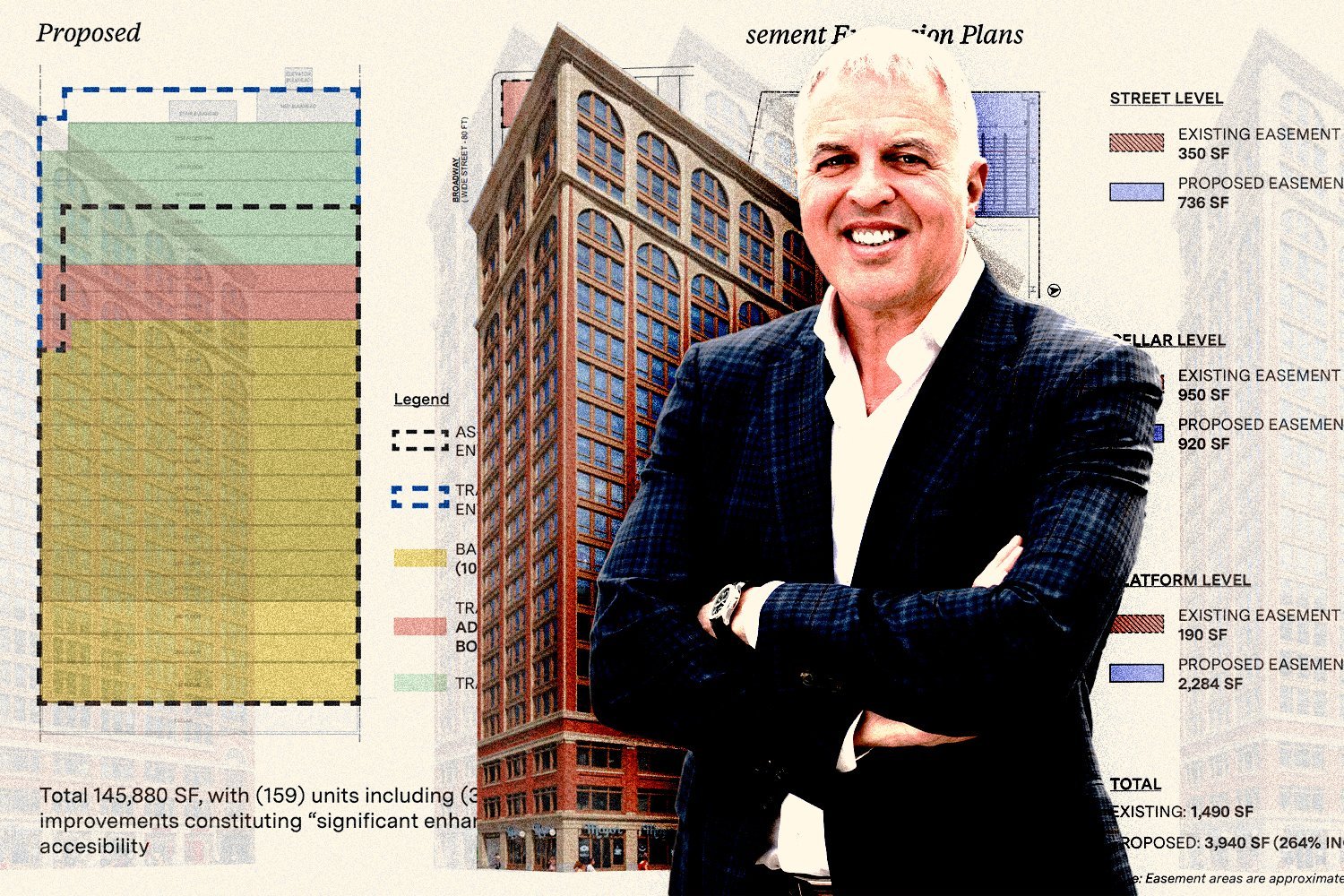
The Landmarks Preservation Commission on Tuesday approved United American Land’s application for 277 Canal Street — a 159-unit project at the corner of Broadway.
UAL, which has owned the property for more than 25 years, will construct 18 new floors on top of the existing three-story building.
“It’s probably going to be a mix of condominiums and rentals,” said UAL’s Al Laboz. “We’re still figuring things out.”
The LPC had originally approved a smaller version of the project back in 2023. But United American Land went back to the commission for a second review after being approached by the Metropolitan Transportation Authority about providing accessibility to the Canal Street N, Q and R station, which lacks an elevator.
The developer is also kicking in $10 million for a new subway elevator through the city’s Zoning For Accessibility Program, which provides a density bonus in exchange for transit improvements.
Laboz said the program is really tailored toward buildings on a much larger scale, where the size of the bonus (20 percent of the development’s floor area) pencils out to justify the expense of the transit infrastructure.
He said he was able to make it work at 277 Canal by buying air rights and merging the zoning lots, thereby creating a larger base to apply the bonus toward.
The project will include 31 affordable units. In working with the Landmarks commission, UAL agreed to shorten the height of the building.
The next step is to go to City Planning, which needs to approve the MTA bonus. Laboz said he expects that will take about a year, and is eyeing to start construction near the end of 2027.
The project will be looking for a construction loan somewhere around the area of $100 million.
It’s the first major new development to move forward since the city rezoned Soho and Noho in 2021. The rezoning was contentious: Backers argued that wealthy neighborhoods like Soho and Noho weren’t doing enough to add affordable housing, and that the addition of new supply (including market-rate units) would help ease costs.
Critics argued that the plan may not produce as many affordable housing units as it proposed, and that new developments could displace existing rent-regulated apartments.
The neighborhood plan is expected to produce 3,200 to 3,500 new housing units, including 900 permanently affordable ones.
Read more

The Closing: Albert Laboz

Laboz’s UAL plans to demolish two historic Soho buildings

Laboz’s United American Land is a “go” in Soho

Al Laboz proposes first project to use controversial SoHo rezoning