Fed Moves to Give Mutual Banks More Flexibility to Raise Capital
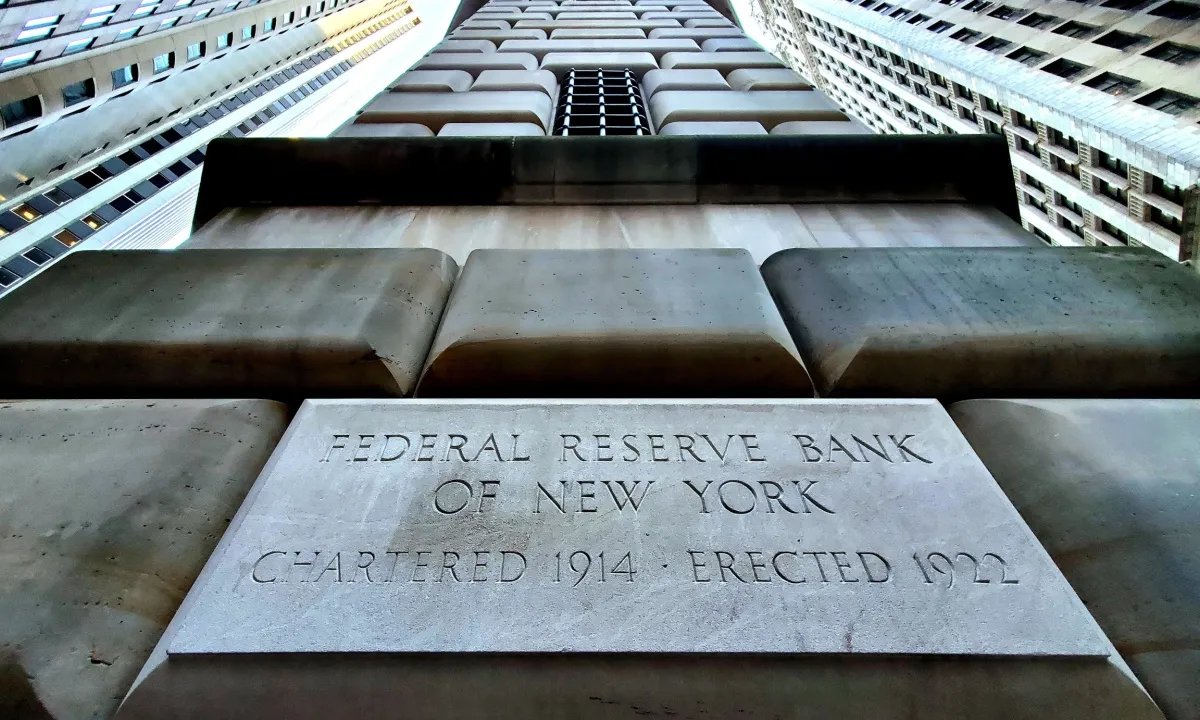
The Federal Reserve is seeking comment on a proposal that it said would modernize rules for mutual banking organizations and increase their flexibility to raise capital.
The proposal would update rules that have not been changed since they were established in 1993 and have proven to be “overly burdensome and complex,” the Federal Reserve said in a Friday (July 31) press release.
To increase flexibility for certain mutual banks to raise capital, the proposal would clarify which instruments count as regulatory capital, reduce procedural burdens and make other comprehensive updates, according to the release.
In a board memo posted Friday, Federal Reserve staff wrote that the proposal would provide these benefits but would also have potential costs that include conflicts of interest and reduced accountability.
The Federal Reserve issued a notice of proposed rulemaking Friday and said in the press release that it will accept comments on the proposal for 60 days after its publication in the Federal Register.
The proposal was approved in a unanimous board vote.
Federal Reserve Board Vice Chair for Supervision Michelle W. Bowman said in the press release that the proposal marks another step in the Fed’s work to modernize the bank regulatory framework and would update mutual bank regulations for the first time in 30 years.
“The continued success of this model contributes to the institutional diversity of the U.S. banking system, which is one of the greatest strengths of our financial system,” Bowman said. “This proposal will allow mutual banks to continue to grow and more effectively serve communities across the country, while preserving their unique depositor-owned structure.”
In a separate statement on the proposal, Federal Reserve Board Governor Michael S. Barr said that he approved the issuing of the proposal but reserves judgment on the final rule.
“The Board will benefit from the public’s comments,” Barr said. “I reserve judgment on the final rule to determine if there are sufficient safeguards on potential conflicts of interest and sufficient accountability for both dividend waivers and conversions. I also hope comments will focus on how new instruments like mutual capital certificates and special deposits might perform as viable loss-absorbing capital under stressed conditions. Finally, I welcome comments about the positive and negative effects of this proposal on competition among entities with different charters and corporate forms.”