Fed Interest Rate Meeting Begins With a Hike on the Table
Federal Reserve policymakers will begin their two-day meeting to set interest rate policy on Tuesday, and for the first time in years, the outcome of the vote is a true mystery to investors.
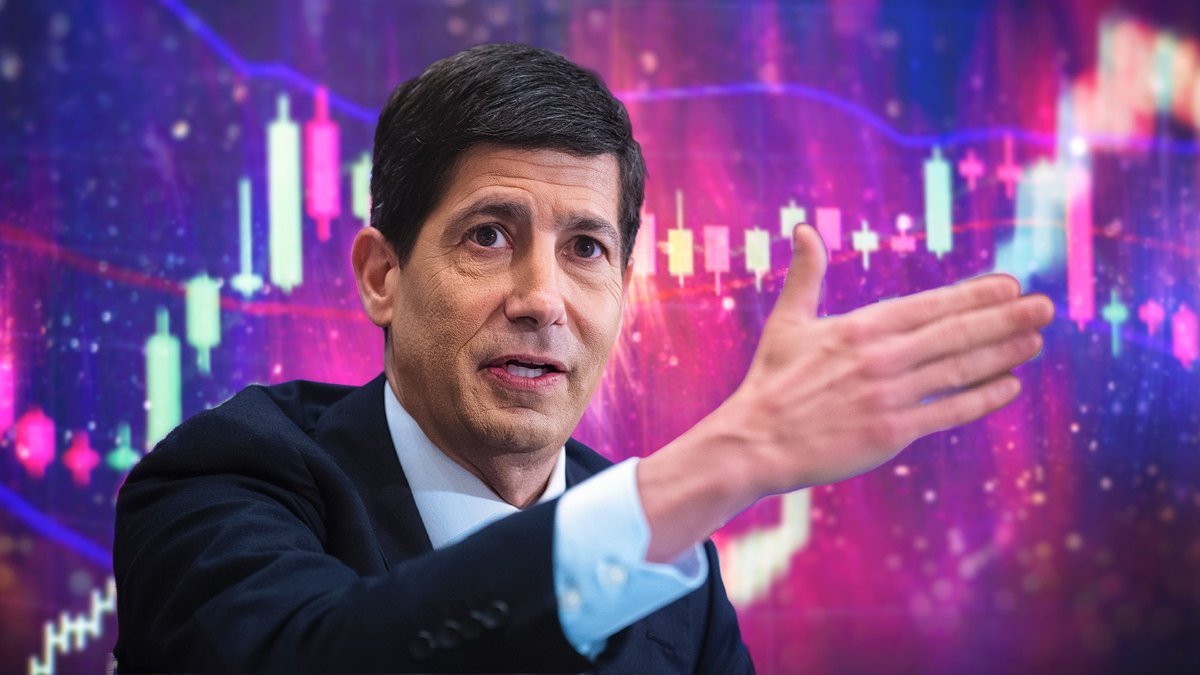
Mysterious just the way Fed Chairman Kevin Warsh wants it. Warsh, who started the job in May, has criticized the Fed for telegraphing its future moves too loudly, potentially giving policymakers less flexibility to respond to changing circumstances.
Adding to the uncertainty are growing divisions on the 12-member rate-setting Federal Open Market Committee. Although last month’s vote to hold rates steady in their current range of 3.50% to 3.75% was unanimous, minutes from the meeting show stark divisions over whether rates should go higher or lower later this year.
After last month’s vote, Warsh told reporters that policymakers had a “good family fight” about interest rate policy, a scene that is expected to replay at this week’s meeting, with dissenting votes likely and the final outcome uncertain.
Cleveland Fed President Beth Hammack and Dallas Fed President Lorie Logan are widely seen as the panel’s most hawkish members concerning inflation, and they are expected to press their case for an interest rate hike during the closed-door meeting.
Warsh, who advocated for lower rates when he was on President Donald Trump‘s short list for Fed chair, now faces an alarming resurgence of inflation, which has driven mortgage rates back up to their highest level in nearly a year.
“My colleagues and I recognize that high inflation has been an undue burden on American households and businesses,” Warsh said in congressional testimony earlier this month. “The members of our committee have no tolerance for persistently elevated inflation, and we share a resolute commitment to ensure price stability.”
The latest round of inflation, driven by surging oil prices due to the war with Iran, has taken any notion of Fed rate cuts off the table for now. Instead, the members of the rate-setting FOMC will be debating whether—and when—to raise the Fed’s benchmark interest rate.
Financial markets now estimate a roughly 40% chance that the FOMC will raise interest rates by a quarter-percentage point on Wednesday and a 60% chance that rates will remain unchanged, according to CME FedWatch.
That’s the most market uncertainty leading up to a Fed vote in years, underscoring the rapid shift away from rate cuts that were seen as inevitable earlier this year. Now, markets are pricing a 92% chance of at least one rate increase before the end of the year, including a roughly 60% chance of multiple rate hikes.
The Fed uses higher interest rates to fight inflation and lower rates to stimulate the labor market, in line with the central bank’s mandate of maintaining price stability and maximum employment.
Mortgage rates are set by lenders in the free market, not the Fed directly. But mortgage rates are sensitive to inflation and market expectations for future Fed policy, making interest rate decisions key for homebuyers.
Last week, mortgage rates averaged 6.58%, according to Freddie Mac. That’s the highest in nearly a year, and mortgage rates have been climbing steadily since the war with Iran began, disrupting global oil markets.
What the rate decision means for the housing market
Realtor.com® senior economist Joel Berner projects that the FOMC will ultimately vote to leave rates unchanged at this meeting, but says he will be closely watching both the number of dissents and the tone of Warsh’s postmeeting press conference.
“Though this month’s FOMC meeting is unlikely to have much of a direct impact on interest rates, the tone it sets could shed some light on what’s coming for the rest of 2026,” says Berner. “If more [FOMC voters] sound like they’re beginning to see a clear case for raising rates, our expectations for meetings to come may change.”
Josh Rubin, a real estate agent with Douglas Elliman in New York City, says “it’s only a matter of time” before the Fed increases its benchmark rate in response to inflation.
“Housing in many markets is already showing signs of softness with inventory levels climbing and days on market accumulating,” Rubin tells Realtor.com. “Seller expectations are coming back to earth with price improvements increasing. Demand continues to be strong as long as value and presentation are correlated.”
Megan Sullivan, a Douglas Elliman agent in Connecticut, says that the main issue for real estate is the signal the Fed sends about borrowing costs and market confidence heading into the fall
“If the Fed sounds more hawkish, it could keep pressure on affordability and slow decision making a bit. If they sound more dovish, that could support activity, but I wouldn’t expect an immediate meaningful drop in mortgage rates,” she says. “That said, luxury buyers are often less rate-sensitive than the broader market, so the main effect may be on pace and psychology rather than pricing.”
Berner notes that prospective buyers and sellers have been eyeing mortgage rates closely in 2026.
“While this month’s rate pause from the Fed will not give them much to react to, the implications of rate hikes in coming months may signal that mortgage rates are soon to move against them,” he says. “It’s no secret that still-high mortgage rates are holding the housing market back, and this month’s FOMC is unlikely to signal any immediate relief.”
Get real estate news in your inbox