Entering sports ownership gives the rich a ‘very elite and exclusive club’ with great tax benefits
The rich have always wanted to own a team, and it seems like lately, they’ve been lining up to do it. Steve Ballmer walked away from Microsoft’s C-suite and into the Clippers, pouring more than $4 billion into the team and its new arena. Mark Walter closed a record $10 billion purchase of the Lakers last year. Rob Walton, the Walmart heir, sits courtside at Broncos games and holds a piece of the Diamondbacks. Arthur Blank went from cofounding Home Depot to owning the Falcons and Atlanta United. Bernard Arnault, the head of LVMH, picked up Paris FC and became the world’s richest sports owner in the process.
So why are the rich getting into the sports biz?
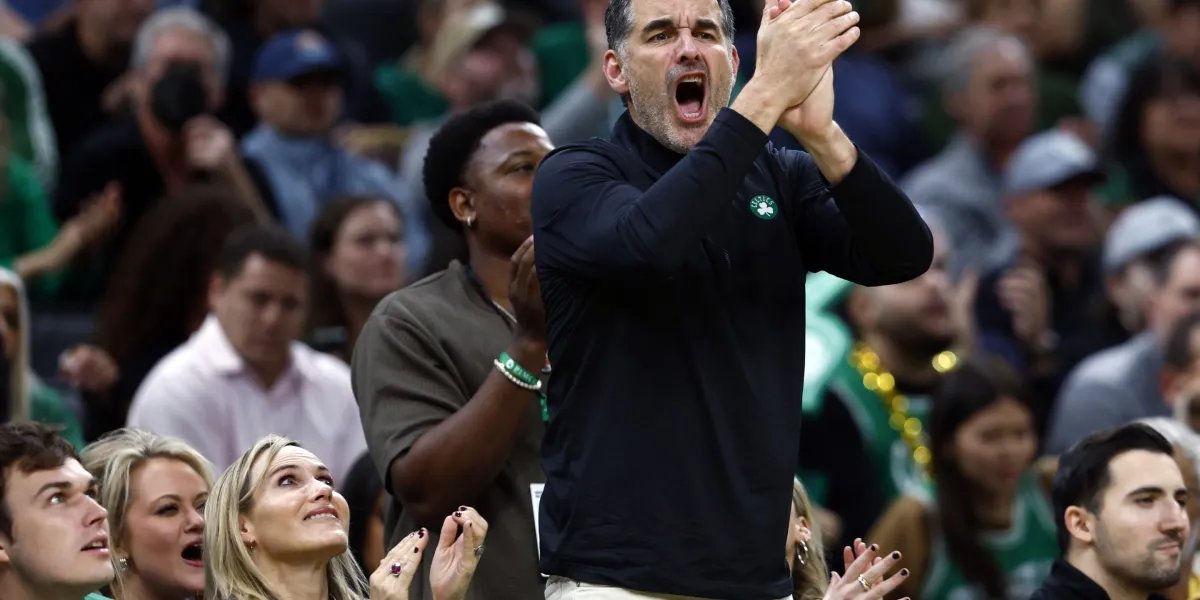
Think of Bill Chisholm, a private equity founder few outside finance had heard of, who became a very public figure the moment he closed his $6.1 billion purchase of the Celtics last year. Owning a franchise buys entry into what one top sports dealmaker calls a premium club filled with elite deals, and the tax code makes membership even more attractive.
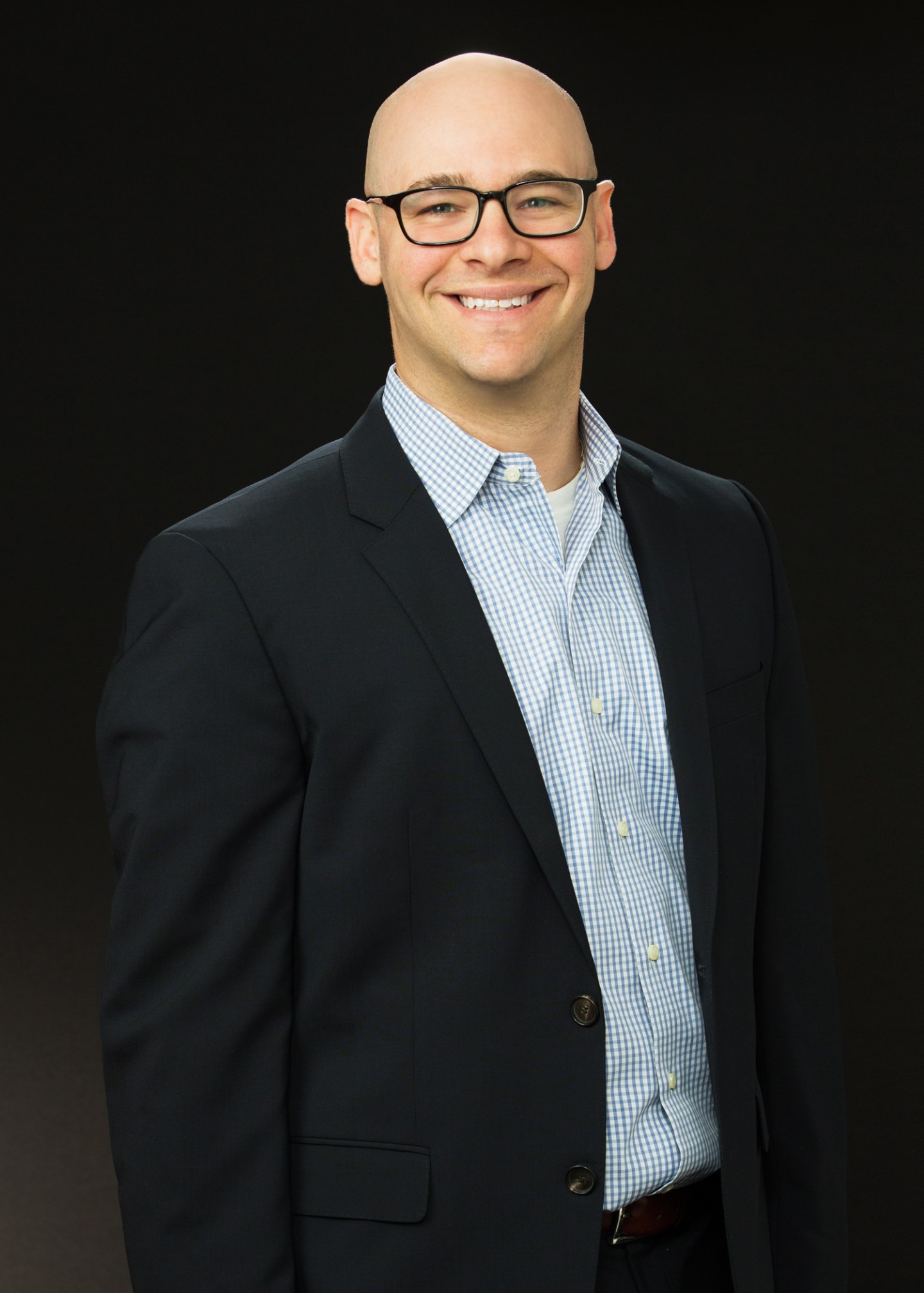
“It is being part of a very elite and exclusive club of owners that control those franchises,” David Silverman, a partner in Cooley’s mergers and acquisitions group, told Fortune. “There are unique business opportunities that come from both being part of that club and being notable in that way.”
He worked on the Celtics’ sale and said the appeal starts with who you get to know once you’re in. “There are a lot of guys that have very successful private equity firms, but Bill Chisholm is now known not just for being the founder of Symphony, but the controlling owner of the Celtics,” Silverman said. “And I’m sure that there are business opportunities that will come to him, sort of in the Garden, or from knowing about that in a way that would not have been relevant in another context.”
Courtesy of David Silverman
Thanks to long-term national media rights deals, team revenue has become far steadier. Because of this, a team can stay profitable “regardless of the number of people that shows up” on a given night, Silverman said.
In addition, consumers are spending more on in-person experiences generally, and sports captures that spending better than most entertainment options.
“You look at the entertainment dollar spend and the desire for in-real-life activities,” he said, “and sports checks those boxes.”
As a result, franchise values have compounded at a pace few other asset classes can match over the long run.
But despite higher valuations, owners can still enjoy a big tax benefit. By amortizing key assets like media rights and treating other assets as depreciable like contracts and the stadium, owners can lower their tax bill.
What it takes to buy a team
Once a marquee franchise actually comes up for sale, scarcity takes over and compounds all of it. “If they went and did a discounted cash flow analysis, they might not come to the number anywhere close. But they know it’s a competitive dynamic: if you don’t get it now, you may never get it at all.” That’s what pushes prices past what the underlying business alone would justify.
Silverman said that went into the Celtics deal, then the largest in the NBA’s history. Part of the purchase price was funded by letting some existing owners roll their equity forward into a staged exit, rather than requiring Chisholm to finance the entire deal in cash upfront.
It’s happening across all sports now, Silverman said. Apollo Global Management is reportedly circling a roughly $3 billion investment tied to the Steinbrenner family’s holding company, which controls the Yankees along with minority stakes in AC Milan, New York City FC, and Legends Hospitality. Major League Baseball’s ownership caps limit how much control a private equity firm can take in a team directly, so Apollo’s structure is expected to combine debt and equity in the parent company rather than a stake in the Yankees themselves.
Silverman said that gives a legacy family like the Steinbrenners a path to generational liquidity without giving up control, while giving Apollo the exposure it looks for. “Apollo has a long-term view about where their capital can be most useful in long-dated opportunities where there isn’t necessarily a path to liquidity in the near term, but a real chance for capital appreciation in the long term.”
The same logic is now playing out in soccer. The World Cup gave private backers of U.S. soccer a visible return on years of investment. Silverman pointed to Atlanta Falcons owner Arthur Blank’s underwriting of U.S. Soccer’s new Atlanta headquarters as a case where philanthropy and the same business logic are hard to separate. “He knows, as an investor in the Falcons and the MLS team in Atlanta, that there’s an opportunity to grow U.S. soccer in a way that becomes more marketable, becomes more in the public image to draw more fans, to increase franchise value,” Silverman said.
That’s the same kind of idea, he explained, that billionaire Ken Griffin likely thought of when he worked to get Mauricio Pochettino to coach the U.S. men’s national team. “It always has some degree of altruism. I do think that there’s a large part of it for genuine interest and support in the project. That kind of philanthropy is interrelated with his business interests and long-term support of the sport, which is quite frankly amazing.”
And that kind of support, above all Silverman said, might also drive the elite to want to get into the sports ownership world. Griffin’s push for Pochettino may have gotten the USMNT to a higher status than before.
“The World Cup? Super exciting. Amazing to see the turnout at games—you know how culturally relevant it is,” he said of the fanfare. “Everyone’s following the U.S. team, and I thought they did great. It was awesome to see them get to the round of 16.”
But at the end of the day, sports can be emotional, and that could be the biggest driver for some people (ahem this Queens native’s hometown team and its owner) to want in the first place.
“If you love basketball and you want to be involved in this opportunity, that puts bidders in a position that they’re not just bidding on a multiple,” Silverman ended.