Divisions emerge among BoC decisionmakers on economy’s resilience
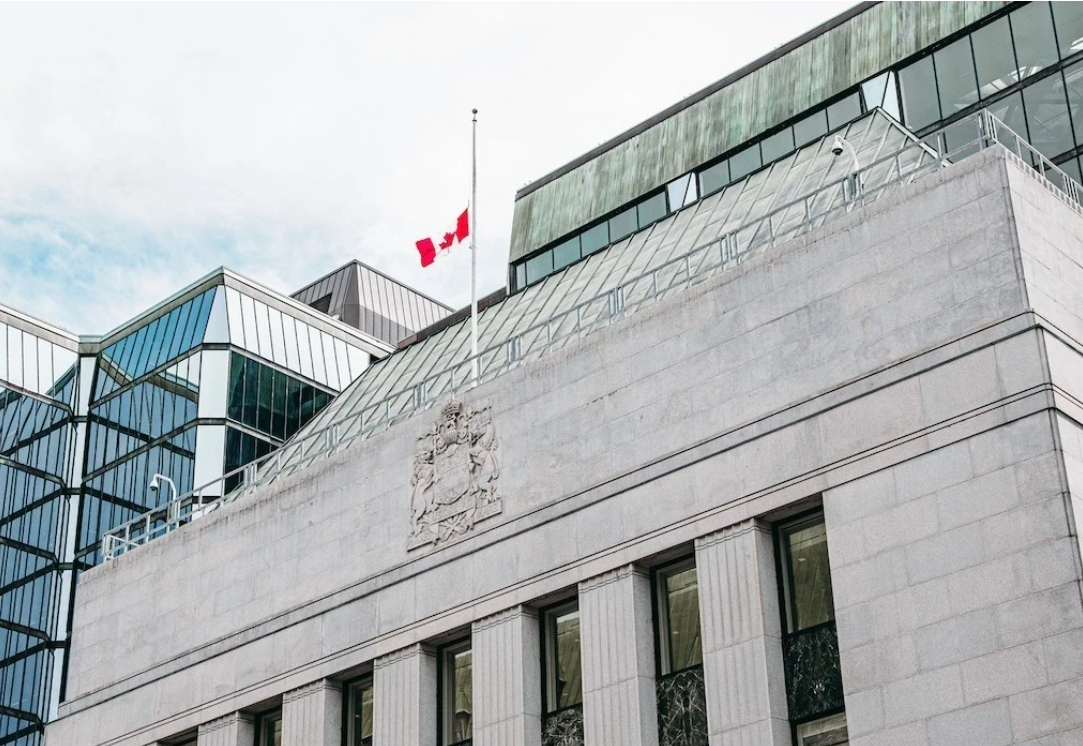
“There was a range of views among Governing Council members about the sustainability of the rebound beyond the near term,” the Bank stated, adding that “members agreed they would need to monitor the data closely for signs that growth was broadening as projected in the July Report.”
Inflation risks linger as oil stays volatile
Oil prices are the defining complication. The conflict in the Middle East drove global benchmark crude to roughly US$120 per barrel in April before a provisional US-Iran agreement brought it back to around US$75 in June. Renewed strikes during Governing Council’s own deliberations pushed prices higher once more.
Inflation, which had held near the 2% target for more than 18 months, climbed to 3.2% in May. Excluding gasoline, it stood at 2.2%, with core measures holding near 2%.
New tariffs announced by U.S. President Donald Trump are adding fresh uncertainty to Canada’s economy, raising concerns about homebuyer confidence, interest rates, and the path forward for the housing market.https://t.co/2IGPBLg8pM
— Canadian Mortgage Professional Magazine (@CMPmagazine) July 22, 2026
The council agreed to look through the direct effects of higher energy costs on consumer prices, while drawing a clear line on patience.
“The longer oil prices remain elevated, the bigger the risk that their inflationary effects broaden,” the Bank stated, with members pledging they “would not let higher oil prices lead to persistent inflation.”