Deposit replacement firm reports 58% sales rise in H1 2026
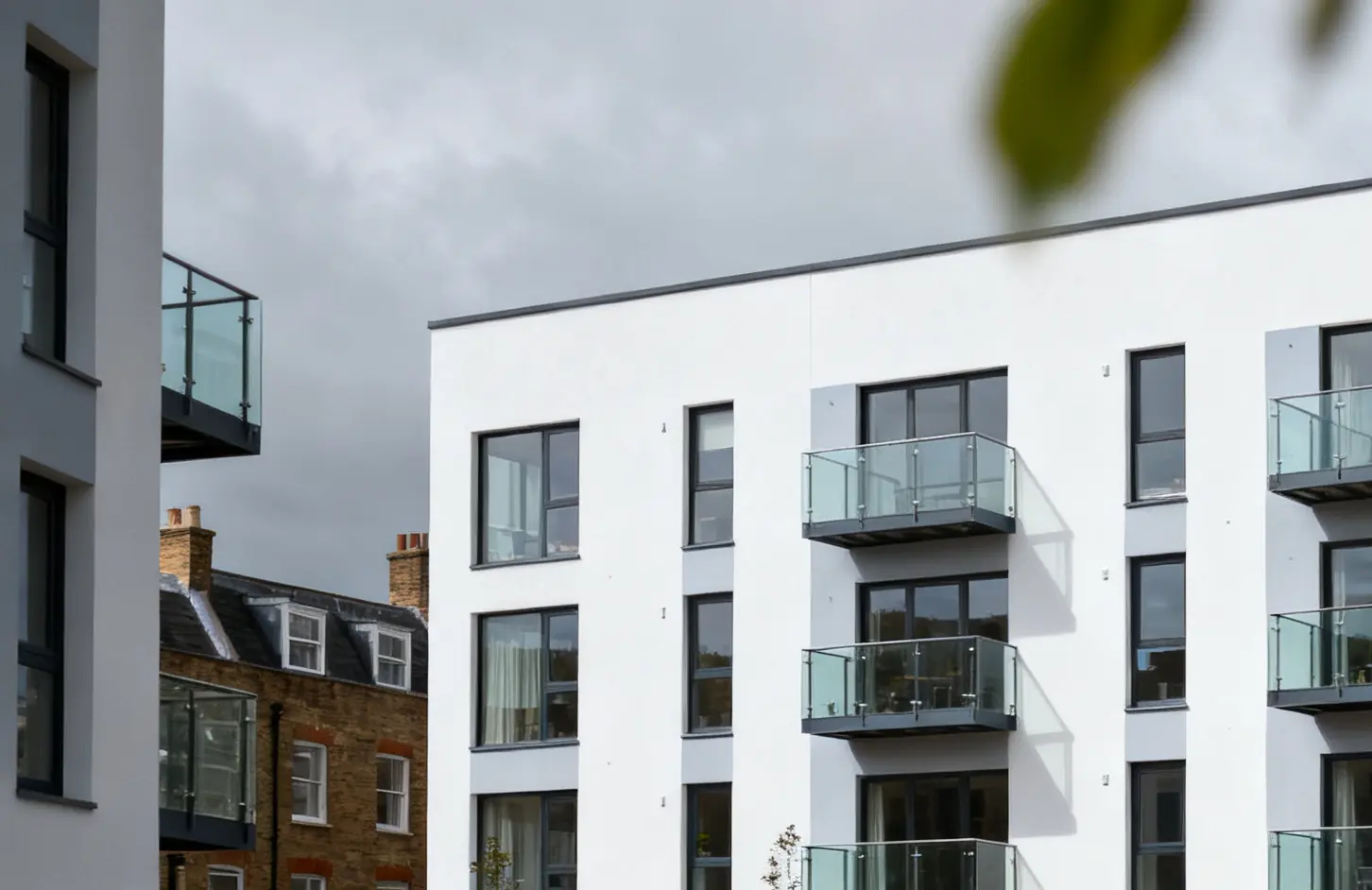
Deposit replacement provider Reposit recorded a 58% increase in sales during the first half of 2026, with growth concentrated in the build-to-rent sector and an expanding agent network.
The company reported that sales to the build-to-rent sector more than doubled compared with the first half of 2025, rising 103%. During the same period, Reposit added more than 195 new agent partners to its network.
Partnership expansion
The firm announced several commercial partnerships during the period, becoming Goodlord’s exclusive deposit replacement partner in May. It also agreed a partnership with Mydeposits and launched an integration with Let Alliance and HomeLet’s Vision+ tenant referencing and tenancy management platform.
Reposit’s model charges tenants a non-refundable fee equivalent to one week’s rent instead of a traditional cash deposit. Tenants remain liable for any damage at the end of the tenancy, with disputes resolved through an independent resolution service within 14 days.
Financial figures
According to the company, it provided more than £34 million of cover for landlords during the first six months of the year, including more than £12.5 million above the value of a traditional five-week tenancy deposit.
Reposit said tenants using its service avoided more than £17.2 million in upfront moving costs during the period, equivalent to an average saving of £1,088 per tenancy.
Ben Grech, chief executive of Reposit, attributed the growth to increasing interest in alternatives to traditional tenancy deposits following the Renters’ Rights Act coming into force. The legislative changes have prompted landlords and agents to explore new operational models, similar to recent shifts in property transaction patterns.
“Our continued growth, together with new partnerships demonstrates the industry is embracing new ways of working,” Grech said.
Market implications
The growth in deposit replacement products comes as the rental sector faces increasing regulatory scrutiny. The build-to-rent sector’s adoption of alternative deposit models reflects broader changes in the lettings market, where demographic shifts are reshaping tenant profiles. The expansion of agent partnerships suggests that lettings agencies are diversifying their service offerings in response to regulatory and market pressures.
The deposit replacement model reduces upfront costs for tenants while maintaining financial protection for landlords, though tenants remain liable for end-of-tenancy claims through the independent resolution process.