Canada Carney: Latest tariff threat are a violation of USMCA
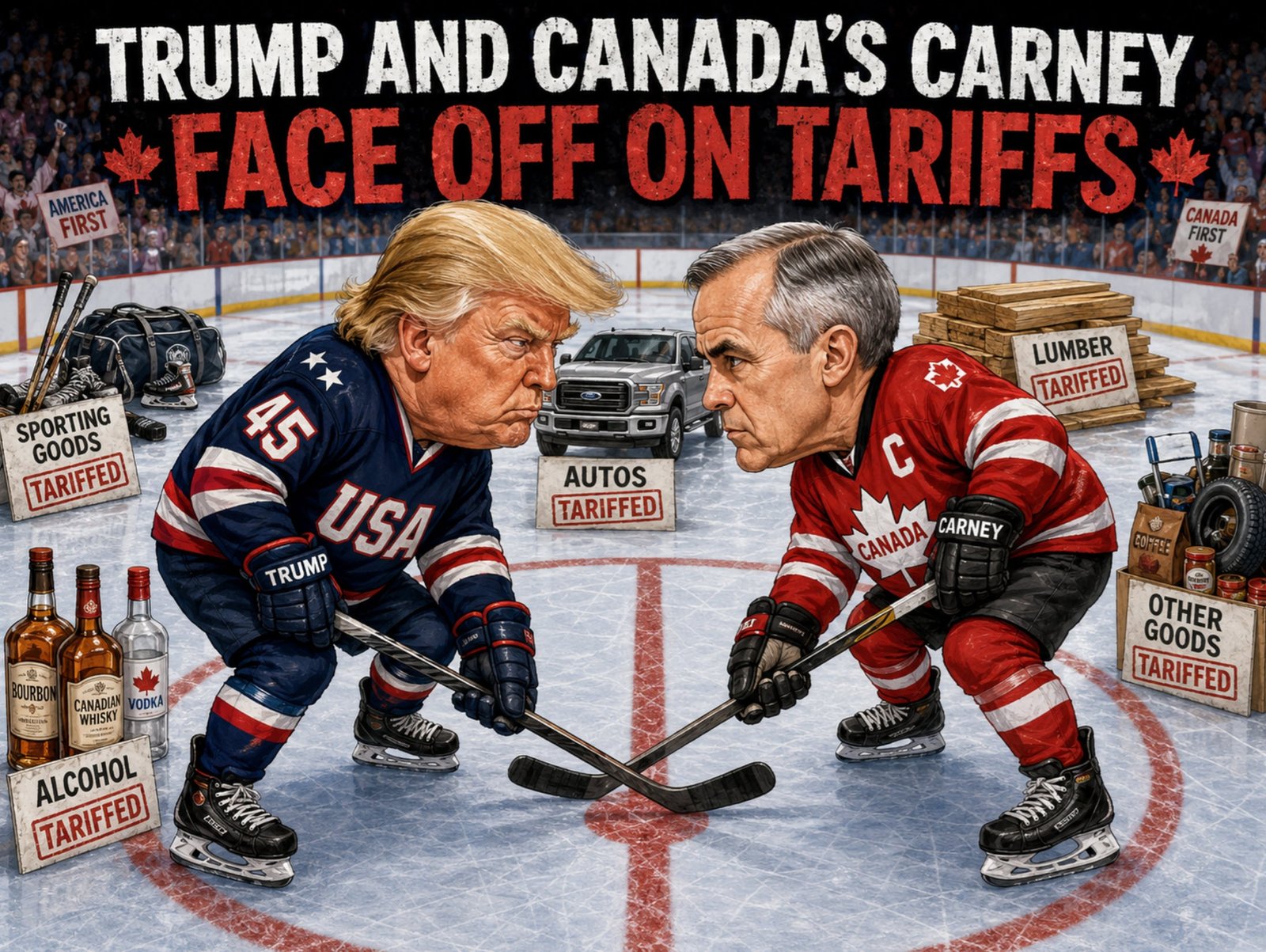
Pres. Trump and Canada PM Carney are facing off once again on trade.
Carney said the Trump administration’s newly announced tariffs violate the spirit of the USMCA, but noted that he and President Trump spoke today and agreed to intensify trade negotiations over the coming weeks in an effort to reach a resolution before the tariffs are scheduled to take effect.
Earlier in the day, U.S. Trade Representative Jamieson Greer emphasized that the administration remains committed to negotiating with Canada despite the latest escalation in trade tensions. Greer said discussions with Canadian officials remain constructive and have not been suspended, adding that the U.S. has spent the past year urging Canada to remove its retaliatory tariffs. He reiterated that President Trump’s objectives are to reduce the U.S. trade deficit with Canada and encourage more manufacturing to return to the United States. Greer also stressed that trade disputes between the two countries are not new and that any agreement must ultimately produce better outcomes for U.S. businesses.
Overnight, the Trump administration significantly escalated the U.S.-Canada trade dispute by imposing a 50% tariff on a broad range of Canadian imports under Section 338 of the Tariff Act of 1930, marking the first time the law has been used. The tariffs are scheduled to take effect in 30 days (August 19), leaving a window for negotiations between the two countries.
- Tariff rate: 50% on a wide range of Canadian goods.
- Products targeted: Many consumer and manufactured goods, including:
- Wine and other alcoholic beverages
- Furniture
- Clothing and apparel
- Sporting goods, including hockey equipment
- Numerous other manufactured products
- Major exemptions:
- Energy products
- Potash
- Fish
- Critical minerals
- Reason cited by the administration:
- Alleged discriminatory Canadian policies toward U.S. automobiles.
- Canadian restrictions and tariffs on U.S. dairy products.
- Provincial actions against U.S. alcohol products.
- Canada’s retaliation against earlier U.S. trade measures.
From a market perspective, the USDCAD has responded by pushing back above its 200-hour moving average at 1.4085, giving buyers the technical edge. Holding above that moving average keeps the near-term bias tilted to the upside. A move back below would weaken the bullish case and shift the bias back toward neutral, with the 100-hour moving average at 1.40417 serving as the next key support level.