Branch Wants Earned Wage Access to Be a Bridge, Not a Habit
Before earned wage access became a FinTech category, restaurant workers had a simpler version of it: finish the shift, collect the tips and go home with money earned that day.
Cashless payments disrupted that routine. Restaurants still had workers expecting their tips at the end of a shift, but fewer customers were leaving the cash needed to pay them.
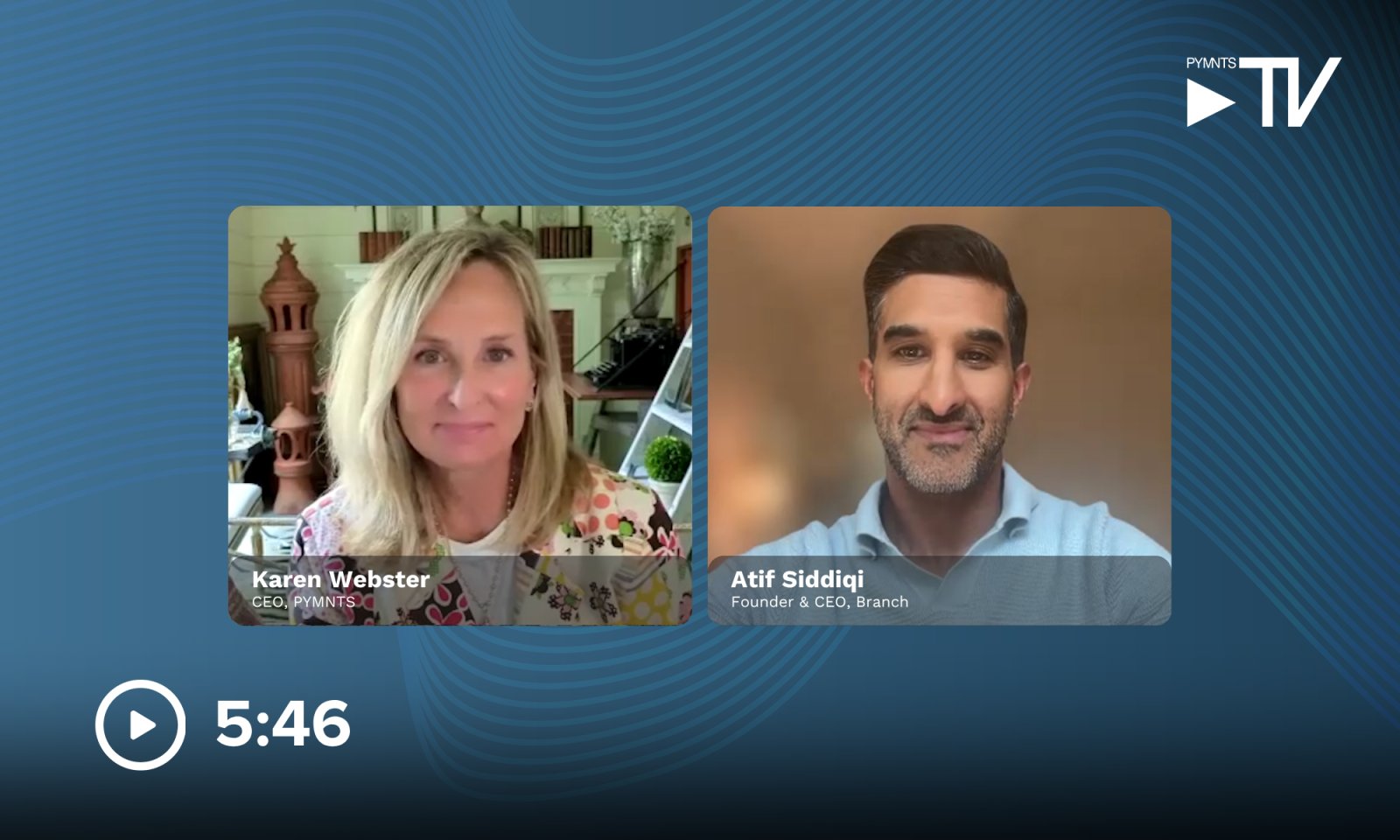
Enter digital tipping. Atif Siddiqi, founder and CEO of earned wage access provider Branch, told PYMNTS CEO Karen Webster recently that restaurants helped push Branch into digital tipping several years ago for precisely that reason.
“Most people aren’t paying with cash and there’s just not enough cash at the end of the day to tip out their workforce,” Siddiqi stated. “A big reason they work there is so they can still get their access to those tips the same day.”
The problem now extends beyond restaurants. Gig platforms have conditioned workers to expect a closer connection between completing work and receiving money. Siddiqi pointed to Uber drivers who can finish a ride and get paid immediately, an experience that has helped shape expectations among other workers. Branch is also seeing demand for EWA and related products among higher-income groups as household costs put pressure on a wider range of earners.
Yet access does not necessarily translate into habitual use. Siddiqi said Branch typically sees EWA adoption of 10% to 20% across different cohorts, and the workers using it can change from one period to another.
“They are really using this as almost like a way to tap in just for emergencies rather than a dependency on this earned wage access consistently over time,” he noted, citing unexpected expenses and bills that arrive at inconvenient points between paychecks.
Webster raised the other side of those numbers: choosing not to draw wages early can itself say something about a worker’s finances. “Using it means that you’re feeling stressed for whatever the reason,” she said, noting that EWA can provide an alternative when the other choices include overdrafts, late fees or payday loans.
Siddiqi said Branch reached a similar conclusion early in its development. “If we did our job right, people should use earned wage access less over time,” he said. That premise helped lead Branch to add savings, budgeting and cash-back features to its wallet because EWA addresses an immediate cash flow shortage rather than the financial circumstances behind it.
Giving Workers More Ways to Receive Pay
Branch’s new Flex model addresses a different constraint: getting EWA into the software employers and workers already use.
The model is aimed at vertical software, scheduling, staffing and workforce-management platforms that possess employment and work-activity data. Instead of requiring the deeper time-and-attendance integration associated with Branch’s core EWA offering, Flex can be embedded as a component within those existing applications. Workers can then see earned wages and request access without downloading another application.
Flex also changes the delivery choices. Branch historically routed free instant EWA through its digital wallet. Workers using Flex can send funds to an existing financial institution immediately for a fee or wait two days and receive them without a fee.
Siddiqi indicated that need determines the delivery choice, while Branch’s existing model has seen the vast majority of users take funds through its wallet.
The wallet also supports other forms of worker payments. Siddiqi said 75% of Branch’s business customers use the platform for at least two purposes, including digital tips, contractor payouts and commissions.
“It’s almost like a disbursement,” Webster remarked, describing an employer sending money already owed to an employee. She noted that disbursement products routinely offer recipients a choice between paid instant delivery and slower free delivery, while payroll adds calculation and compliance requirements before the payment can be made.
Those requirements remain substantial. Siddiqi cited Branch’s experience with tip pooling, where rules differ by geography and required the company to build technology around the calculations and compliance that precede payment. Payroll presents comparable complications, he said.
For Siddiqi, faster access also leaves the industry with a longer-term challenge. Branch is working on savings products intended to help workers establish a $400 or $500 cushion and is exploring ways to help credit-invisible users establish credit histories.
“In addition to earned wage access, it’s just as important to help them build some type of financial cushion,” Siddiqi added.
Watch the Interview
Watch the full PYMNTS TV conversation with Branch founder and CEO Atif Siddiqi to hear more about:
- Why financial institutions are examining EWA for both SMB and consumer banking customers.
- How payroll-company economics, including float, can affect the business case for faster wage payments.
- Why tip pooling requires a compliance layer before money can move.
- How income and spending data could help credit-invisible workers begin establishing credit histories.