ASIC Asks Court to Wind Up Capital Guard After A$17.4 Million Raised on Bonds That May Not Exist
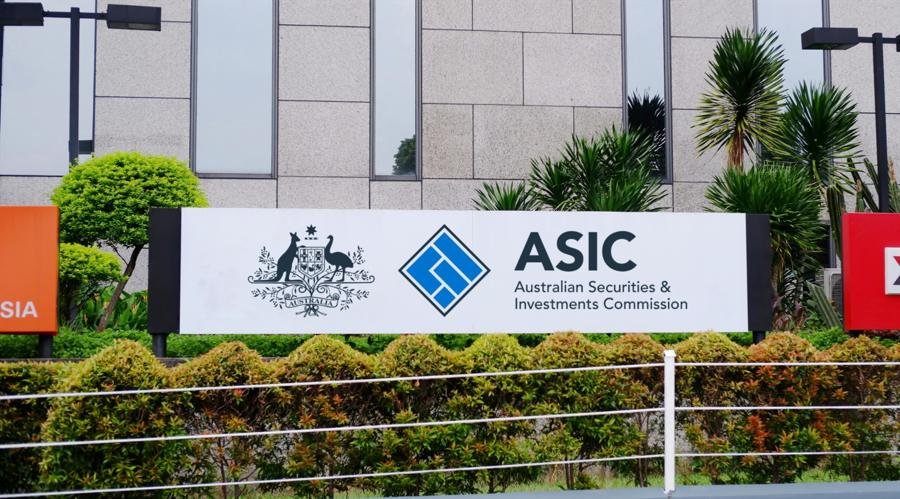
Australia’s
corporate regulator filed a court application on Monday to shut down Capital
Guard AU Pty Ltd, a Sydney firm it says sold bond investments that may never
have existed.
The
Australian Securities and Investments Commission (ASIC) wants the Supreme
Court of New South Wales to wind up the company on just and equitable grounds
and hand control to an independent liquidator, according to the originating
process filed in the court’s corporations list.
Roughly 80
investors put around A$17.4 million (about $11.4 million) into Capital Guard,
ASIC said in a statement today (Tuesday), and only a small proportion of that
money is still sitting in bank accounts and payment platforms the regulator
knows about. Where the rest went is now the central question.
ASIC is not
waiting for the full case to run. Its filing asks the court either to expedite
the wind-up hearing or, failing that, to appoint provisional liquidators
immediately, which would put outsiders in control of the company’s books while
the litigation continues.
The
regulator has nominated Robert Michael Kirman and Jacinta Lee Nielsen of
McGrathNicol for the role. Court documents show ASIC served the application at
Level 36, 1 Macquarie Place in Sydney, the address Capital Guard used in its
client disclosure material, and emailed copies to lawyers acting in the matter.
The
application rests on an affidavit sworn on July 13 by ASIC officer Jenna Helen
Molesworth.
The
regulator said it has “serious concerns about Capital Guard’s
management”, the handling of investor money, and whether the bonds sold to
clients existed as advertised. It also alleges the firm gave false information
to its auditor and let its governance break down.
Fake Bond Cases Keep
Landing on ASIC’s Desk
Capital
Guard is the second Australian firm in under a year accused of selling bonds
that were never issued.
Last
September, ASIC obtained Federal Court orders stopping Darren Geddes, director
of Global Investment Marketing, from leaving the country while it investigated almost $8 million in losses tied to
fake bonds supposedly
issued by HSBC, Barclays and the Canadian government.
One retiree
in that case lost $750,000 on paper he believed was backed by Macquarie and
UBS.
The
recovery playbook is also familiar. In June, ASIC went to the Federal Court
seeking receivers from McGrathNicol over Australian Fiduciaries and 30
related entities,
after schemes that took roughly $160 million from about 600 retail investors
stopped reporting to them.
A year
before that, the Federal Court wound up Falcon Capital and its First Guardian Master Fund, where roughly $274 million of the
fund’s stated value turned out to be badly overdue receivables.
What
separates Capital Guard from those matters is scale and speed. The sums are far
smaller, the investor count is in the dozens rather than the hundreds, and ASIC
has moved from license cancellation to a wind-up application in barely two
weeks.
The
regulator has run the same sequence against trading firms before, notably CFD
broker Prospero Markets, which was closed on just and
equitable grounds in 2024 and later stripped of its license, and against 95 financial services companies in a single bulk application that
same year.
License Was Pulled Two
Weeks Ago
ASIC
cancelled Capital Guard’s Australian financial services license on June 29,
saying the firm had promoted a fake Macquarie Bank bond, handed false documents
to its auditor and posted misleading statements on its website.
The company
had held licence number 498434 since August 2017, but the underlying business
was sold in 2024 to the management now under scrutiny.
On July 3,
the regulator added Capital Guard to its Moneysmart Investor Alert List. The
company’s website has since gone offline.
Investors
began flagging problems before any of that became public. Reviews posted on
Trustpilot describe interest payments stopping in mid-June and withdrawal
requests going nowhere, with several account holders saying they only learned
of the licence cancellation after chasing the firm for weeks.
Recovery Prospects Depend
on What the Liquidator Finds
For the
roughly 80 investors involved, the wind-up application is less about punishment
than about tracing money. A liquidator’s first job would be to identify what
assets exist, where client funds went and whether any of it can be clawed back,
and ASIC’s own account suggests the balances left in identified accounts are
thin.
The action
lands during a period of heavy enforcement output from the regulator, which
reported $349.8 million in court-ordered
civil penalties in
the second half of 2025, its highest six-month total on record. ASIC has said
its investigation into Capital Guard and related people and entities is
continuing.
The matter
is listed for a directions hearing on July 20.
Australia’s
corporate regulator filed a court application on Monday to shut down Capital
Guard AU Pty Ltd, a Sydney firm it says sold bond investments that may never
have existed.
The
Australian Securities and Investments Commission (ASIC) wants the Supreme
Court of New South Wales to wind up the company on just and equitable grounds
and hand control to an independent liquidator, according to the originating
process filed in the court’s corporations list.
Roughly 80
investors put around A$17.4 million (about $11.4 million) into Capital Guard,
ASIC said in a statement today (Tuesday), and only a small proportion of that
money is still sitting in bank accounts and payment platforms the regulator
knows about. Where the rest went is now the central question.
ASIC is not
waiting for the full case to run. Its filing asks the court either to expedite
the wind-up hearing or, failing that, to appoint provisional liquidators
immediately, which would put outsiders in control of the company’s books while
the litigation continues.
The
regulator has nominated Robert Michael Kirman and Jacinta Lee Nielsen of
McGrathNicol for the role. Court documents show ASIC served the application at
Level 36, 1 Macquarie Place in Sydney, the address Capital Guard used in its
client disclosure material, and emailed copies to lawyers acting in the matter.
The
application rests on an affidavit sworn on July 13 by ASIC officer Jenna Helen
Molesworth.
The
regulator said it has “serious concerns about Capital Guard’s
management”, the handling of investor money, and whether the bonds sold to
clients existed as advertised. It also alleges the firm gave false information
to its auditor and let its governance break down.
Fake Bond Cases Keep
Landing on ASIC’s Desk
Capital
Guard is the second Australian firm in under a year accused of selling bonds
that were never issued.
Last
September, ASIC obtained Federal Court orders stopping Darren Geddes, director
of Global Investment Marketing, from leaving the country while it investigated almost $8 million in losses tied to
fake bonds supposedly
issued by HSBC, Barclays and the Canadian government.
One retiree
in that case lost $750,000 on paper he believed was backed by Macquarie and
UBS.
The
recovery playbook is also familiar. In June, ASIC went to the Federal Court
seeking receivers from McGrathNicol over Australian Fiduciaries and 30
related entities,
after schemes that took roughly $160 million from about 600 retail investors
stopped reporting to them.
A year
before that, the Federal Court wound up Falcon Capital and its First Guardian Master Fund, where roughly $274 million of the
fund’s stated value turned out to be badly overdue receivables.
What
separates Capital Guard from those matters is scale and speed. The sums are far
smaller, the investor count is in the dozens rather than the hundreds, and ASIC
has moved from license cancellation to a wind-up application in barely two
weeks.
The
regulator has run the same sequence against trading firms before, notably CFD
broker Prospero Markets, which was closed on just and
equitable grounds in 2024 and later stripped of its license, and against 95 financial services companies in a single bulk application that
same year.
License Was Pulled Two
Weeks Ago
ASIC
cancelled Capital Guard’s Australian financial services license on June 29,
saying the firm had promoted a fake Macquarie Bank bond, handed false documents
to its auditor and posted misleading statements on its website.
The company
had held licence number 498434 since August 2017, but the underlying business
was sold in 2024 to the management now under scrutiny.
On July 3,
the regulator added Capital Guard to its Moneysmart Investor Alert List. The
company’s website has since gone offline.
Investors
began flagging problems before any of that became public. Reviews posted on
Trustpilot describe interest payments stopping in mid-June and withdrawal
requests going nowhere, with several account holders saying they only learned
of the licence cancellation after chasing the firm for weeks.
Recovery Prospects Depend
on What the Liquidator Finds
For the
roughly 80 investors involved, the wind-up application is less about punishment
than about tracing money. A liquidator’s first job would be to identify what
assets exist, where client funds went and whether any of it can be clawed back,
and ASIC’s own account suggests the balances left in identified accounts are
thin.
The action
lands during a period of heavy enforcement output from the regulator, which
reported $349.8 million in court-ordered
civil penalties in
the second half of 2025, its highest six-month total on record. ASIC has said
its investigation into Capital Guard and related people and entities is
continuing.
The matter
is listed for a directions hearing on July 20.