Archer Aviation Stock Just Fell Below $5. Here’s What Investors Are Really Worried About.
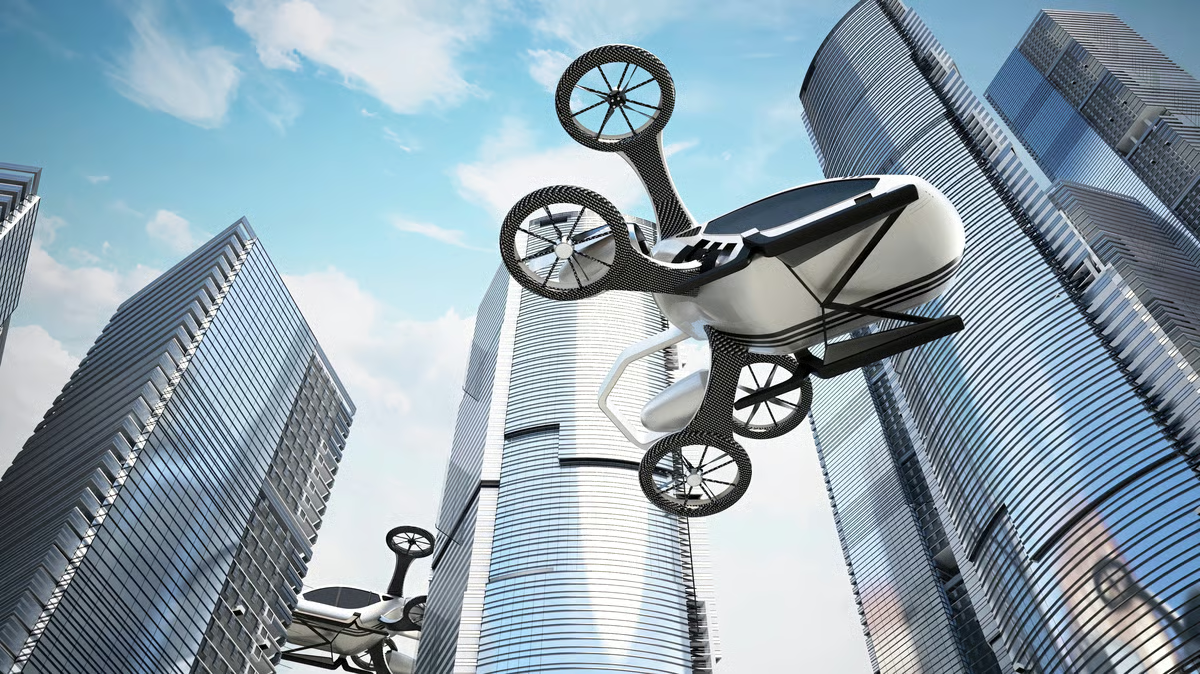
Archer Aviation (ACHR 6.38%) recently slipped below $5, extending a decline that has surprised many investors. Yet the sell-off doesn’t appear to reflect a sudden deterioration in the company’s business.
Instead, it reflects something more subtle. The market is changing how it evaluates Archer.
A year ago, investors mainly cared about the company’s vision. Flying taxis promised to transform urban transportation. Archer had secured partnerships with companies such as Stellantis and United Airlines, and each certification milestone reinforced the belief that commercialization was approaching.
Today, that narrative isn’t enough. Investors are no longer asking whether flying taxis could become a major industry. They’re asking a much tougher question: Can Archer build a profitable business before it runs out of time — or capital?
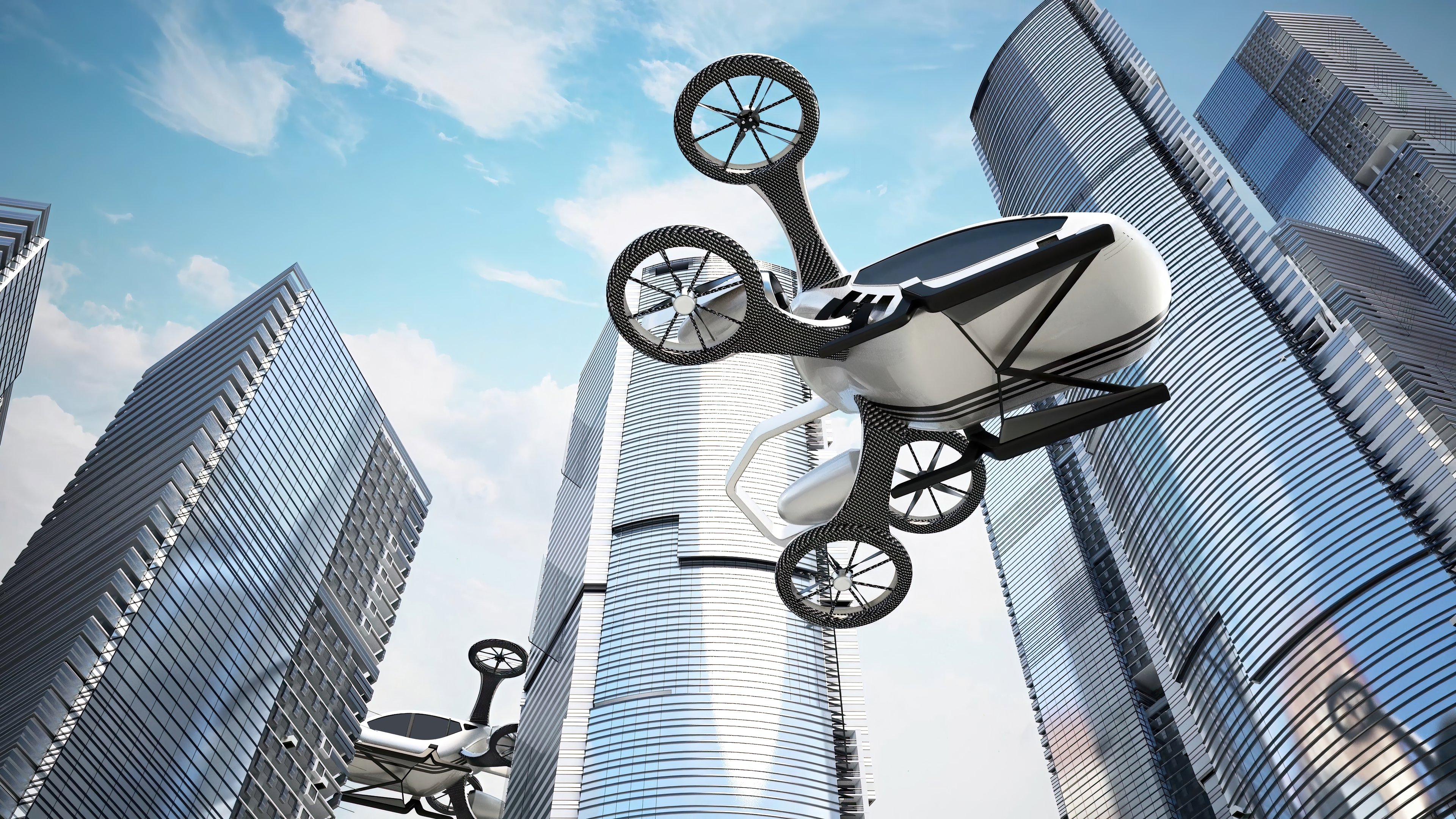
Image source: Getty Images.
Commercialization has become the biggest test
For years, Archer measured success through milestones:
- Prototype flights
- Manufacturing progress
- Strategic partnerships
- Regulatory approvals
Each announcement reduced uncertainty and helped investors believe the company was moving in the right direction. But as Archer approaches its goal of launching commercial operations in 2026, those milestones no longer carry the same weight. Investors now want evidence that the business itself is nearing takeoff.
Launching an air taxi service involves far more than building an aircraft. Archer must complete Federal Aviation Administration certification, prepare pilots, establish operating procedures, deploy supporting infrastructure, and convince customers to choose flying taxis over existing forms of transport.
Even then, another challenge begins. Can the business generate enough demand to operate profitably? Can aircraft fly frequently enough to justify their cost? Can the company eventually earn attractive returns after maintenance, staffing, insurance, and infrastructure expenses?
These are the questions investors are beginning to ask, and none has a satisfactory answer today. That’s why each quarter without meaningful commercial revenue matters more than the one before it. The closer Archer gets to commercialization, the less investors value promises and the more they expect measurable progress.

Today’s Change
(-6.38%) $-0.31
Current Price
$4.48
Key Data Points
Market Cap
Day’s Range
$4.46 – $4.74
52wk Range
$4.45 – $14.62
Volume
23.6K
Avg Vol
41.8M
Gross Margin
-120526.32%
Cash burn isn’t the biggest concern anymore. Dilution is.
Ironically, Archer’s biggest financial strength has created a new investor concern.
During the past two years, the company has raised substantial capital and built one of the strongest balance sheets in the electrical vertical takeoff and landing (eVTOL) industry. That gives management valuable time to complete certification and prepare for launch. For perspective, the company ended March 31 with $1.8 billion in liquidity.
Few investors now question whether Archer can survive.
Instead, they question how much of the company today’s shareholders will still own by the time it succeeds.
Archer continues to invest heavily in engineering, certification, manufacturing capacity, and commercial preparation. Those investments are necessary, but they also mean the company is likely to remain cash-flow-negative for several more years. In 2025 alone, the company consumed $433 million in operating cash flow.
If commercialization takes longer than expected — or scaling proves more expensive than planned — raising additional capital may become necessary. That’s where dilution becomes a real risk.
Every new share issued helps fund the business, but it also reduces the ownership stake of existing shareholders. Even if Archer ultimately succeeds, repeated equity issuance could reduce the returns investors earn.
For a company that remains years away from profitability, that’s an important risk to consider.
What does it mean for investors?
Nothing in Archer’s recent progress suggests the long-term vision has fallen apart. The company continues to progress through certification, expand manufacturing capabilities, and prepare for a commercial launch in the U.S. in 2026. Those remain meaningful achievements.
What has changed is the market’s willingness to pay for future potential. Investors now want evidence that Archer can convert technological progress into commercial success — and eventually into sustainable profits.
That means another partnership announcement or another successful test flight won’t define the next chapter. It will be defined by execution.
Can Archer launch commercial operations on schedule? Can it generate meaningful revenue? Can it reach that point without excessive shareholder dilution?
Those are the questions that will likely determine where the stock goes next.