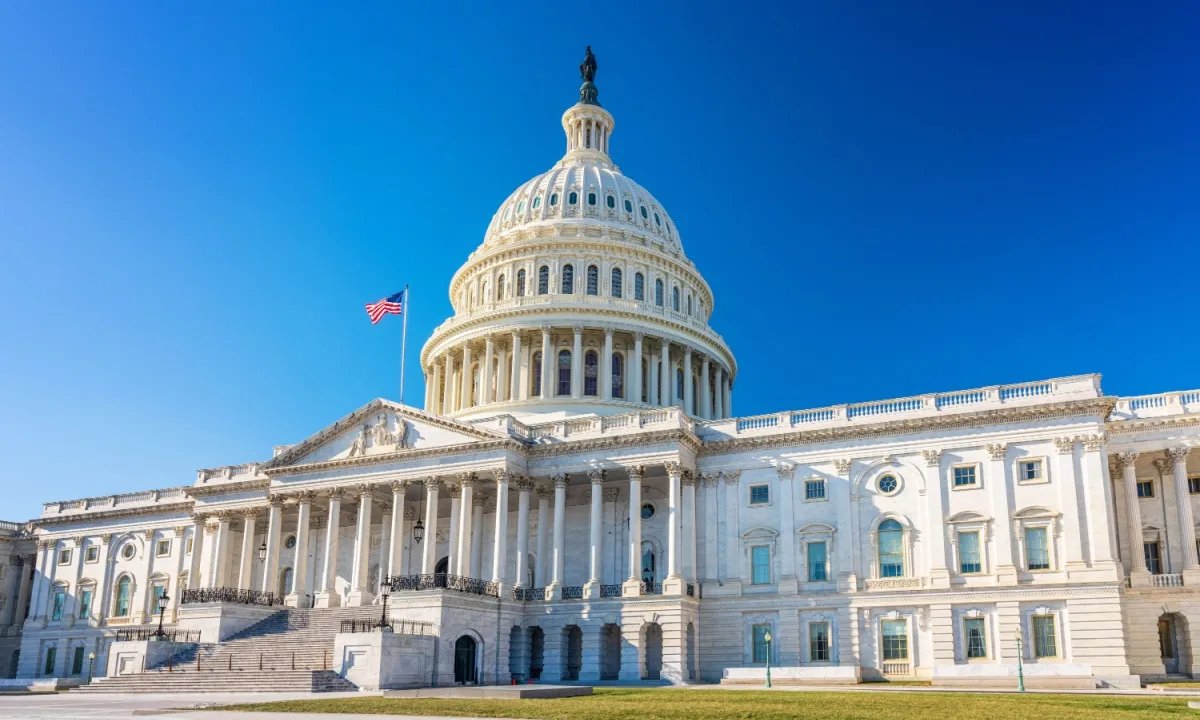
AI Companies Ramp Up Lobbying Efforts Amid Pressure in DC
America’s biggest AI companies are reportedly devoting record cash to their lobbying efforts.
That’s according to a report Monday (July 27) from the Financial Times (FT), which says this uptick is the result of artificial intelligence (AI) companies trying to halt tougher regulation and guide rules involving data centers and the testing of advanced models.
The report, citing federal disclosures, said that OpenAI nearly doubled its lobbying spending to a record $2.22 million during the first half of this year compared to the same period in 2022. Rival Anthropic nearly tripled its lobbying expenses to $3.53 million. Google and Microsoft spent as much in any quarter since 2020, the FT added.
Lobbyists and policy experts told the FT the trend is being driven by the AI industry’s wish to establish a stronger base of influence in Washington.
“The lobbying offensive has been as much about deterring regulation as making the case for an affirmative government industrial policy that supports the industry,” said Amba Kak, co-executive director of AI Now Institute, who also served as senior advisor on AI to the Federal Trade Commission (FTC) during Joe Biden’s presidency.
The main issues on the lobbying agenda include federal rules covering the release of new models, following the government’s move last month to halt the launch of Anthropic’s Fable model due to cybersecurity concerns.
In addition, companies want to shape policy around data centers and rules on whether developers make the parameters for their models available to the public, the report added.
“It’s an export-controlled technology like semiconductors, an infrastructure build-out like telecoms or power, a procurement relationship like defence, and a liability question like the [social media] platforms, all at the same time,” said Joseph Hoefer, chief AI officer at Monument Advocacy. “No single playbook covers that.”
Meanwhile, PYMNTS wrote last week that the next stage of AI regulation is happening “through committees, consultations and comment periods rather than a single sweeping federal rule.”
Among the latest developments on this front are the National Institute of Standards and Technology’s search for candidates for the National Artificial Intelligence Advisory Committee and its Subcommittee on Artificial Intelligence and Law Enforcement, while the FTC and Financial Stability Board seek feedback on their AI-related work.
“Together, the developments show AI oversight becoming more procedural,” that report said. “Government agencies and international bodies are moving from broad principles toward decisions about documentation, board accountability, vendor controls and the claims companies make about AI products.”