12 Words From Billionaire Warren Buffett That Will Echo Through Wall Street for Years to Come
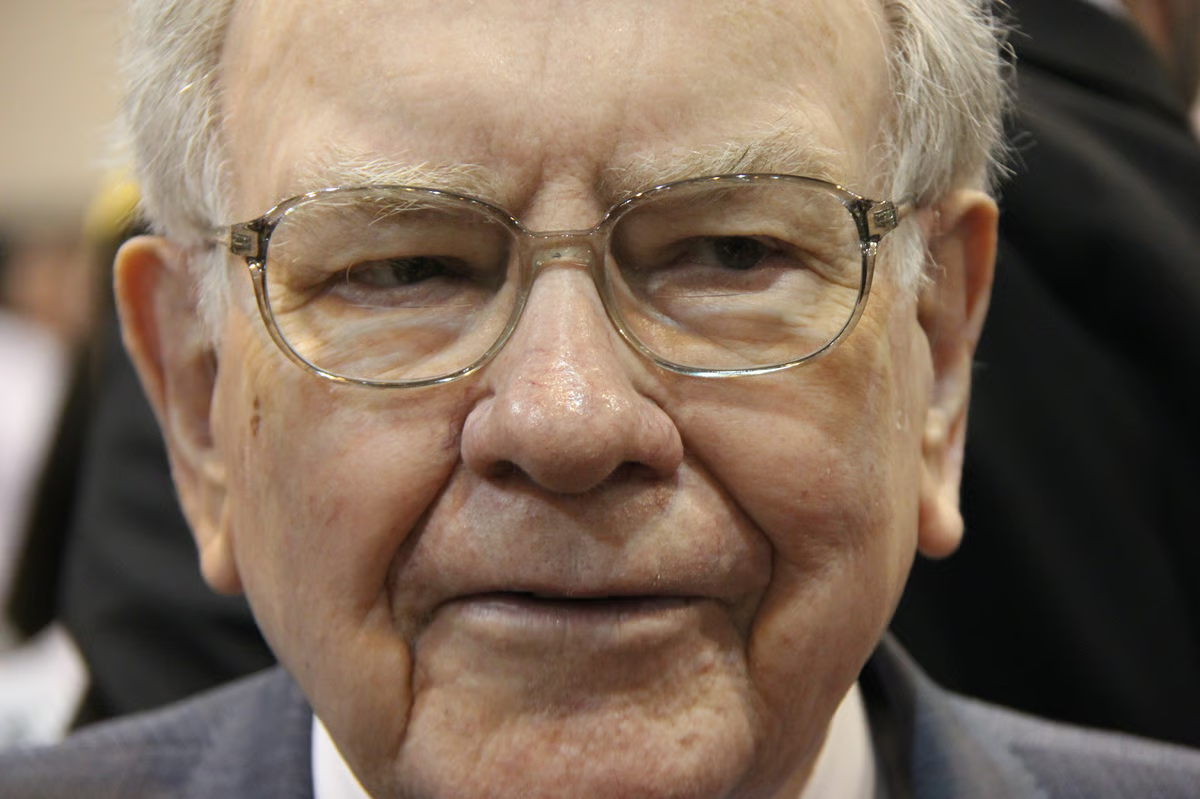
On Dec. 31, arguably the most renowned investor of our generation, billionaire Warren Buffett, hung up his work coat for the final time. In his more than half-century as CEO of Berkshire Hathaway (BRKA +0.75%)(BRKB +0.98%), the Oracle of Omaha led his company’s Class A shares (BRKA) to a nearly 6,100,000% gain, outperforming the benchmark S&P 500 (^GSPC 0.51%) by well over 6,000,000%!
Even though Buffett is no longer overseeing Berkshire’s day-to-day operations or its $356 billion investment portfolio, his wisdom and investing philosophies still echo through Wall Street — and with good reason.
Although you’d struggle to find someone more steadfastly optimistic about America’s future than Buffett, his views on today’s stock market are less than encouraging.
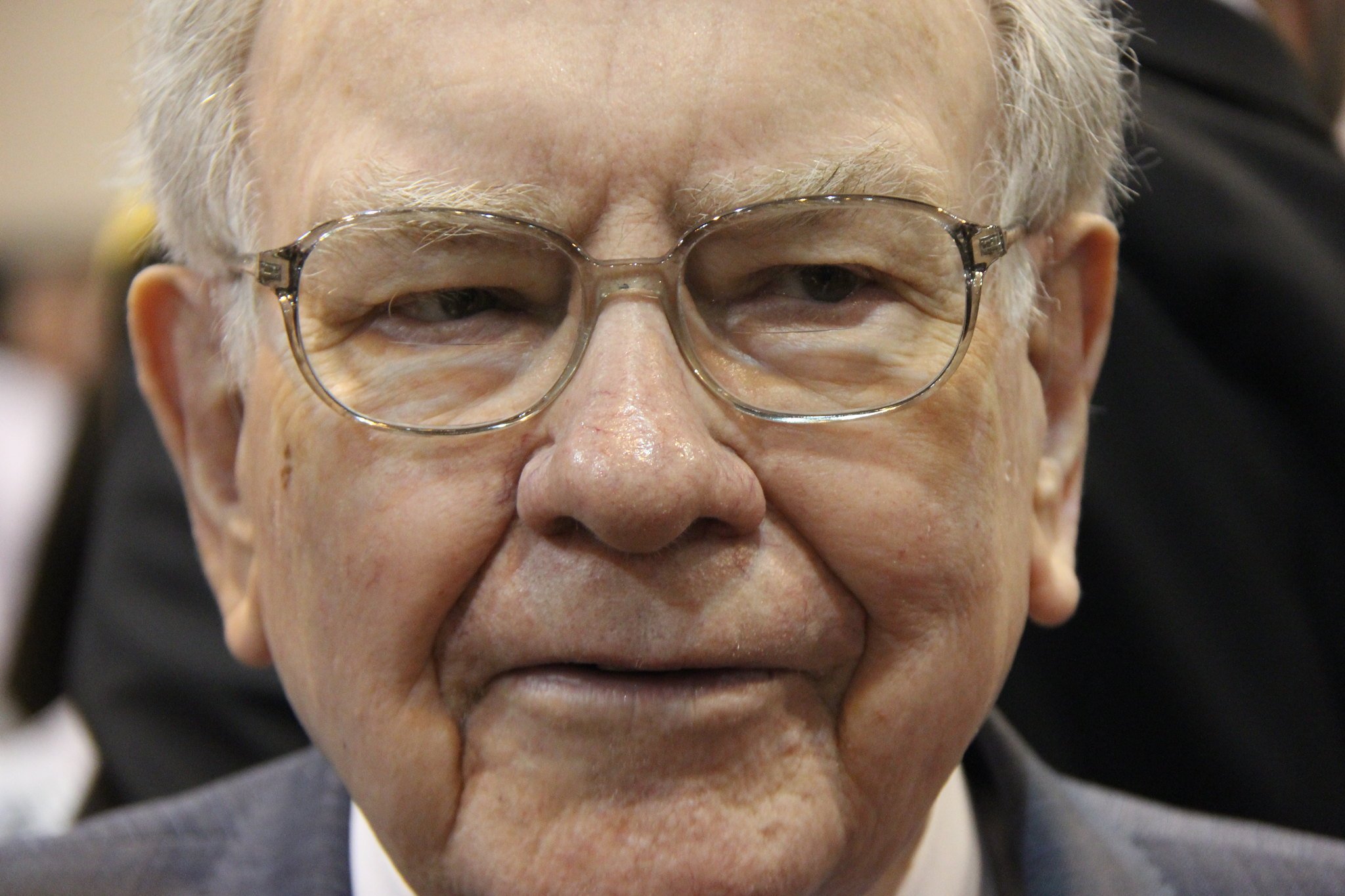
Warren Buffett retired as Berkshire’s CEO on Dec. 31. Image source: The Motley Fool.
Casino culture is ruining Wall Street
Berkshire’s now-former boss relied on a laundry list of unwritten rules when putting his money to work on Wall Street. He sought out businesses with experienced management teams, favored companies with sustainable moats, and appreciated businesses that delivered robust capital-return programs.
But above all else, he focused on the long-term and demanded value from his investments (whether he was buying pieces of a company or acquiring it). In Buffett’s eyes, both of these key pieces needed for success in the stock market are currently missing.
Warren Buffett on the markets: “Since humans love to gamble so much, there’s more money in actually cultivating gamblers than there are cultivating investors.” https://t.co/yf0a04TmKJ pic.twitter.com/xtO2c6oX2Y
— CNBC (@CNBC) July 15, 2026
In an exclusive CNBC interview with Becky Quick on July 15, Quick probed Buffett about his views on finding opportunities in today’s market, to which he responded:
Since humans love to gamble so much, there’s more money in actually cultivating gamblers than there are cultivating investors.
These final 12 words, “there’s more money in actually cultivating gamblers than there are cultivating investors,” are a sad but inescapable reality for today’s stock market. Same-day option contracts volume has soared, courtesy of retail investors, and shades of irrational exuberance 2.0 are prevalent as investors pile into anything related to artificial intelligence infrastructure.

Image source: Getty Images.
Irrational exuberance 2.0 has taken hold
While history firmly supports Buffett’s long-term optimism — the S&P 500 hasn’t had a single negative rolling 20-year total return — it also backs up his wariness of short-term gambling culture and sky-high valuations.
In a 2001 interview with Fortune magazine, Buffett referred to the market-cap-to-GDP ratio as “probably the best single measure of where valuations stand at any given moment.” This ratio, arrived at by dividing the cumulative value of all public companies by U.S. gross domestic product (GDP), is now known as the Buffett indicator.
Warren Buffett Indicator hit an all-time high of 239% last week, the most expensive stock market valuation in history 🚨🚨 pic.twitter.com/NoIMxNRGkP
— Barchart (@Barchart) June 10, 2026
On June 1, the Buffett indicator reached an all-time high of 238.5%. For context, the market-cap-to-GDP ratio has averaged closer to 88% since December 1970.
Likewise, the S&P 500’s Shiller Price-to-Earnings (P/E) Ratio nearly hit 43 in early June. The other two occasions in which the Shiller P/E topped 40 were followed by declines in the S&P 500 of 49% and 25%, respectively. Value is virtually nonexistent today, and Buffett knows it!