Cyclospora Outbreak Cause Identified: Contaminated Lettuce
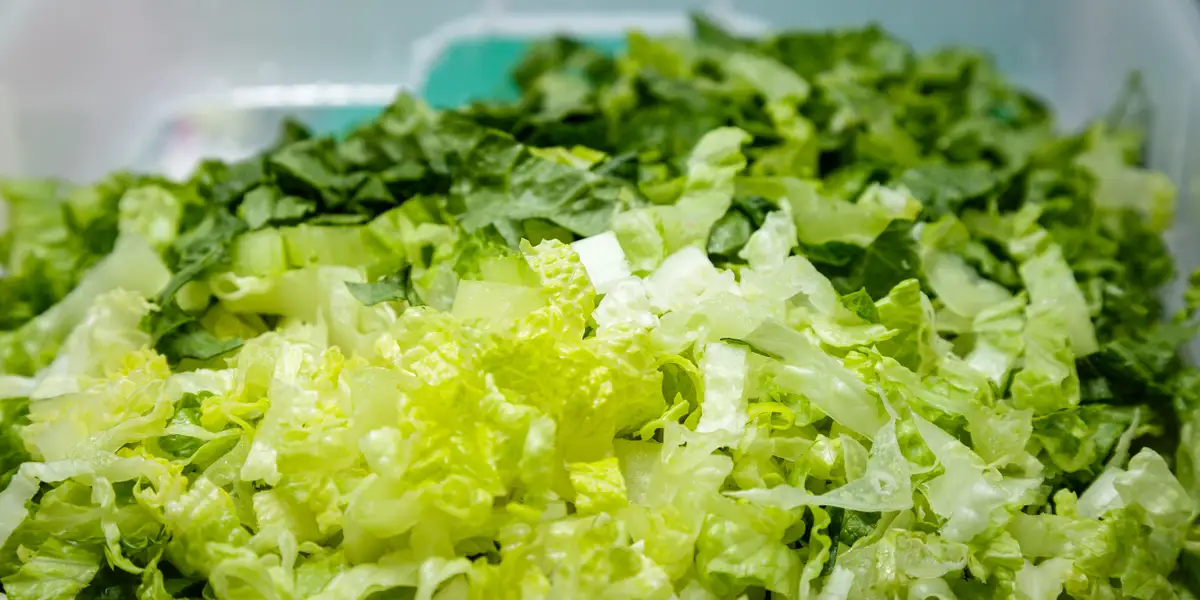
They found it: guilty lettuce.
On Thursday, the US Food and Drug Administration linked shredded iceberg lettuce supplied to Taco Bell restaurants in five states to an ongoing cyclosporiasis outbreak, according to a person familiar with the matter.
Specifically, shredded lettuce supplied by Taylor Farms and served at Taco Bell locations in Indiana, Kentucky, Michigan, Ohio, and West Virginia was traced back to a single supplier of iceberg lettuce in Mexico and was responsible for 1,644 confirmed cyclosporiasis cases.
The true number of people who’ve been sickened this summer is likely much higher, and the outbreak goes beyond Taco Bell’s shredded lettuce supply.
Cyclospora infections have spread across 34 states since May 1, according to the Centers for Disease Control and Prevention. As of July 13, the agency had confirmed 1,645 cases and 141 hospitalizations, with no confirmed deaths. Hard-hit Michigan has reported more than 4,300 cyclosporiasis cases in that state alone. It said on Monday that their investigation was also pointing to “lettuce or salad greens” as a potential source of contamination.
Taylor Farms did not respond to multiple requests for comment about cyclospora contamination from Business Insider. As of Thursday evening, their product recall page listed “no active product recalls” for any Taylor Farms products.
Taylor Farms is one of the largest suppliers of lettuce in the world, serving restaurants, fast food chains, and grocery stores
: Jeffrey Greenberg/Universal Images Group via Getty Images
Taylor Farms is the world’s largest producer of salad, supplying chain restaurants like Chipotle and McDonald’s, and big grocery stores, including Costco, Walmart, and Trader Joe’s. The company says it operates 30 processing facilities across North America. It’s unclear whether this particular outbreak is limited to Taylor Farms chopped lettuces only, or includes other products and brands.
On Thursday night, Taco Bell said that “based on ongoing conversations with public health officials, and out of an abundance of caution, Taco Bell has taken immediate action to voluntarily remove potentially impacted lettuce from a supplier in select states. The affected ingredient from our supplier is being indefinitely removed from our supply chain nationwide and will be replaced within 24 hours in select states.”
Health experts have recommended avoiding bagged lettuce and salads until the outbreak is over, recommending consumers choose whole heads of lettuce and remove the outer layer of leaves, and wash all produce thoroughly. There is no surefire way to wash cyclospora off produce, so the safest move is to cook foods to at least 158 degrees Fahrenheit.
Cyclospora thrives in summer heat. Gwen Biggerstaff, the CDC’s Deputy Director of foodborne, waterborne, and environmental diseases, said Tuesday that “we anticipate continuing to see cases increase possibly through the end of August, which is the end of the cyclosporiasis season.”
Watery diarrhea is a hallmark of the illness
DBenitostock/Getty Images
People who have gotten sick with cyclosporiasis this summer have complained of watery diarrhea, cramping, and gas. The illness can last for several weeks if left untreated. A combination antibiotic, Bactrim, can treat it.
Pre-washed salad kits and bagged salads from various brands have been identified as common sources of cyclospora contamination in recent years. But cyclosporiasis outbreaks have also been linked to other leafy and soft vegetables, including raspberries, snow peas, and fresh herbs including cilantro.
Cyclospora outbreaks are notoriously hard to pin down, because it takes about a week for symptoms to develop. By that time, it can be hard to zero in on the specific meal or food that made someone sick. The parasite itself also has more complex genetics than other pathogens like E. coli or salmonella, which can make traceback efforts even more challenging.
Amira Roess, a professor of global health and epidemiology at George Mason University, and former CDC “disease detective” said that it’s possible the contamination could have been introduced when the produce was washed at production facilities, or at the farm.
“Typically, it’s the contaminated water that is leading to the contaminated produce,” she said. “In this country, our drinking water is generally not contaminated with parasites. But what is contaminated with parasites is the produce that is exposed to the environmental waters that are contaminated.”
Taylor Farms has recalled onions and salad kits in recent years
Taylor Farms has been involved with other food recalls over the past few years.
In 2024, Taylor Farms recalled yellow onions, including some sent to McDonald’s restaurants, over potential E. coli contamination. That outbreak of E. coli killed one person and sickened over 100 others across over a dozen states, according to the CDC.
Another recall in 2020 focused on onions sold at Kroger and Walmart, some of which were contaminated with salmonella, the FDA said at the time.
The company has also recalled mislabeled products. Last year, it recalled salad kits that did not disclose that they included soy and sesame, according to the FDA.
This is a breaking news story.