New York’s Fair Fares Expansion Is a Win for Affordable Housing – Commercial Observer
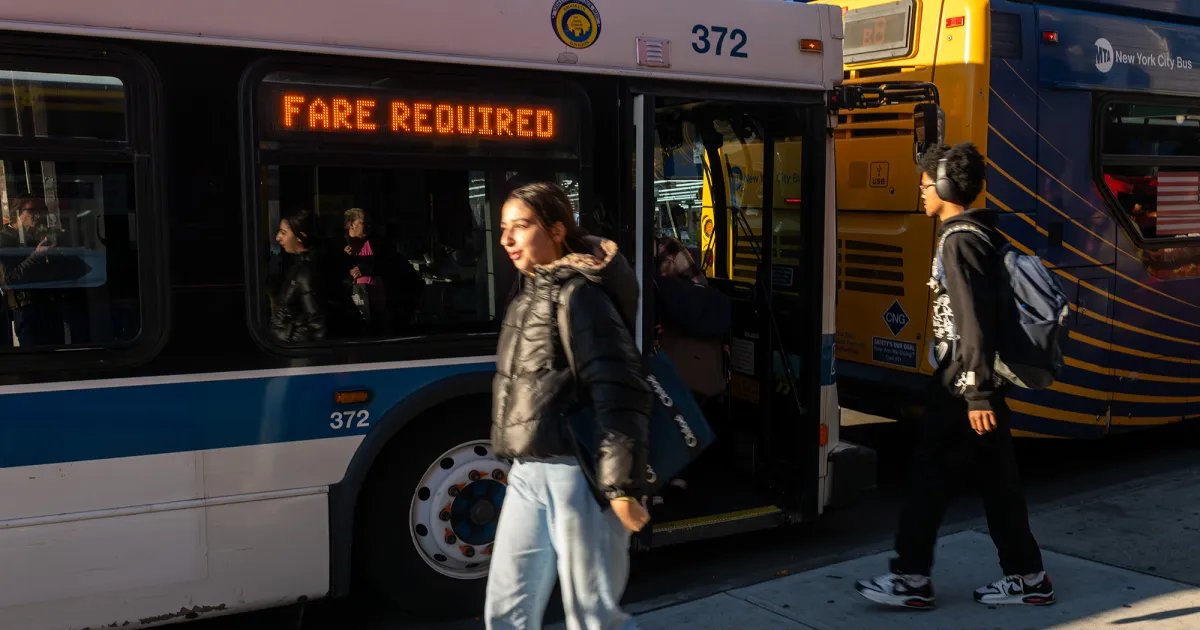
In a city of straphangers, transportation is about far more than just moving people from Points A to B. It is the thread that ties everything together, connecting New Yorkers to their homes, education, health care, entertainment and nourishment.
It is — quite literally — a path to a better future.
Affordability is the key to making this complex ecosystem work. When transit is out of reach, both physically and financially, even the most cost-effective living situation can become a trap. Where you can afford to live should never determine whether you can reach opportunity. Yet, for too many New Yorkers, the cost of getting around has become a daily tax on working families. For households already spending half their income on rent, every fare matters.

That is why the historic expansion of the Fair Fares program in the city’s fiscal year 2027 adopted budget is more than just good transit policy. It is a direct investment in housing stability, economic mobility and a fairer New York.
This year’s budget agreement added $54 million to the existing $120.6 million Fair Fares program, increasing eligibility for New York City families. Now an individual earning just under $32,000, or a family of four earning under $66,000, qualifies for half-price fares, a permanent increase from 150 percent to 200 percent of the federal poverty level — the largest expansion since the program began.
The impact is staggering: 340,000 more New Yorkers will become eligible, raising total eligibility to approximately 1.3 million residents. For a low-income rider, that can mean saving up to $910 a year on transit — money that can go toward rent, food, medicine, child care or utilities. In a city where median asking rent has reached $4,120 — the highest on record since 2010 — those savings are critical.
This matters deeply for the affordable housing industry because transportation and housing are deeply entwined. A home is not truly affordable if its residents cannot afford to leave it to reach the job that allows them to contribute and pay their rent. The families in our buildings, many of whom rely on public transit every day, now have a chance to save hundreds of dollars annually.
For a household at 200 percent of the poverty level, $910 represents nearly 3 percent of annual income — a meaningful cushion in a city where families are too often one unexpected bill away from crisis.
Of course, affordability cannot be solved by one program alone. The Mamdani administration’s Block by Block housing plan sets ambitious targets to build 200,000 new affordable homes and preserve another 200,000 over the next decade, backed by a historic $22 billion capital investment. Its citywide transit-oriented development proposal recognizes a simple truth that if we want families to thrive, we must build affordable homes near the trains and buses that connect them to opportunity.
Locating affordable housing near transit reduces car dependency, lowers household costs, and gives residents access to the full promise of the city without forcing them to shoulder the financial burden of owning and maintaining a car.
Still, proximity to transportation is not enough. Too many neighborhoods lack investments that make walking, biking and public transit usable and safe. The administration’s commitment to speeding up buses, including offset bus lanes on Fordham Road in the Bronx, the city’s most bus-reliant borough, is a promising start — but it must be part of a broader, sustained strategy.
New Yorkers experience affordability holistically. Rent, fares, child care, groceries, medical care and time spent commuting are all part of the same household budget. Housing must advance together with all of these. A new affordable building is only as good as the neighborhood it sits in. If residents cannot rely on a bus that arrives on time, we have not truly delivered affordability.
The Block by Block plan’s promise to create “mixed-income housing and vibrant neighborhoods near transit” must be matched with the infrastructure to make those neighborhoods truly livable.
The Fair Fares expansion is a down payment on a more equitable city. It recognizes that transportation is not a luxury — it is a lifeline connecting New Yorkers to jobs, health care, education, family and each other. It also sends an important message that affordability policy cannot end at the apartment door.
Now we must build on this momentum. We need more transit-oriented affordable housing with broader, better service in the outer boroughs. We need public space investments that make our streets accessible and welcoming for every New Yorker, regardless of how they get around. And we need policymakers to treat transportation affordability and housing affordability as two parts of the same fight.
Transportation is the great equalizer only when every New Yorker can afford to use it. With this budget, we have taken a significant step forward. Let’s keep going — until every home is connected to affordable, reliable and dignified mobility.
Carlina Rivera is president and CEO of the New York State Association for Affordable Housing and a former member of the New York City Council from Manhattan.