Regulators Hear Arguments on Tokenized Stock Ownership
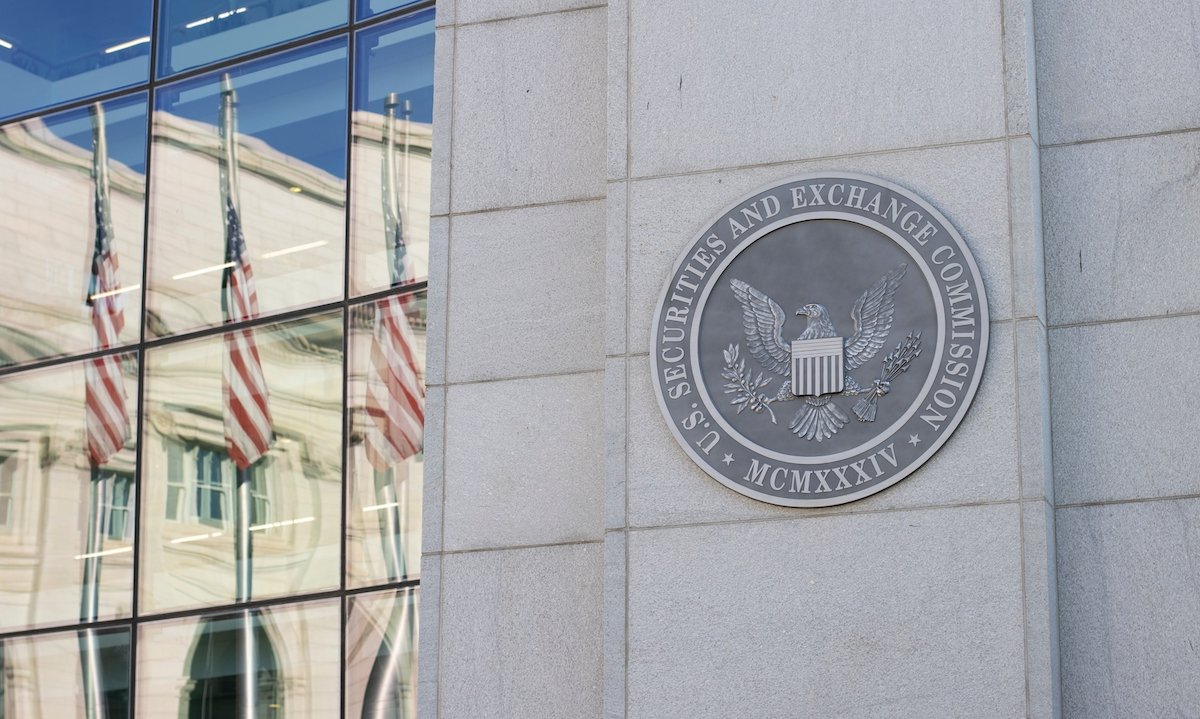
Federal regulators are hearing arguments over how stocks should move to blockchain rails, CoinDesk reported Monday (July 13).
One of the arguments comes from the Securities Transfer Association (STA), a trade group representing transfer agents and its members, including major Wall Street institutions, according to the report.
The STA is lobbying the Securities and Exchange Commission to give preferential treatment to issuer-sponsored tokenized securities, rather than tokens issued by intermediary firms.
In a letter to the regulator this month, the STA said blockchain-based shares should be actual securities commissioned by the underlying issuer and reflected in its official shareholder records, and not tokens created by unaffiliated platforms.
“The distinction is fundamental,” the letter said. “An issuer-sponsored token is an actual share or other security of the corporation.”
The STA’s request involves one of the key questions related to tokenization, according to the CoinDesk report. What legal structure should support blockchain-based stocks?
The letter comes as asset managers, crypto firms and brokerages are vying to bring stocks, bonds and funds onto blockchain networks, arguing the technology can make securities easier to transfer and embed into digital financial markets, while offering around-the-clock settlement, the report said.
Some argue that tokenized assets could become a gargantuan market, the report said, citing a forecast from Citi that tokenized securities could become a $5.5 trillion market by 2030, with tokenized stocks climbing to $2.6 trillion.
In other tokenization news, PYMNTS wrote late last month about the way blockchain finance’s biggest developments have moved from the edges of the financial system to the core.
“Banks, asset managers, exchanges, payment providers and regulators are no longer treating blockchain as a parallel financial universe and started treating it as a faster, more efficient way to package, distribute and settle the products they already offer,” the report said.
At the same time, crypto-native firms are targeting many of the same commercial and customer outcomes, with announcements from players in the financial services and cryptocurrency sectors showing a blurring of the lines between banking, blockchain and capital markets products.
“The shift raises larger questions for regulators as well,” the report said. “If a money market fund, a payment account or a custody service can be delivered through blockchain infrastructure, what exactly should be regulated: the institution, the product, the technology, or all three?”