This prefab homebuilder is moving from tiny ADUs to small-scale starter homes
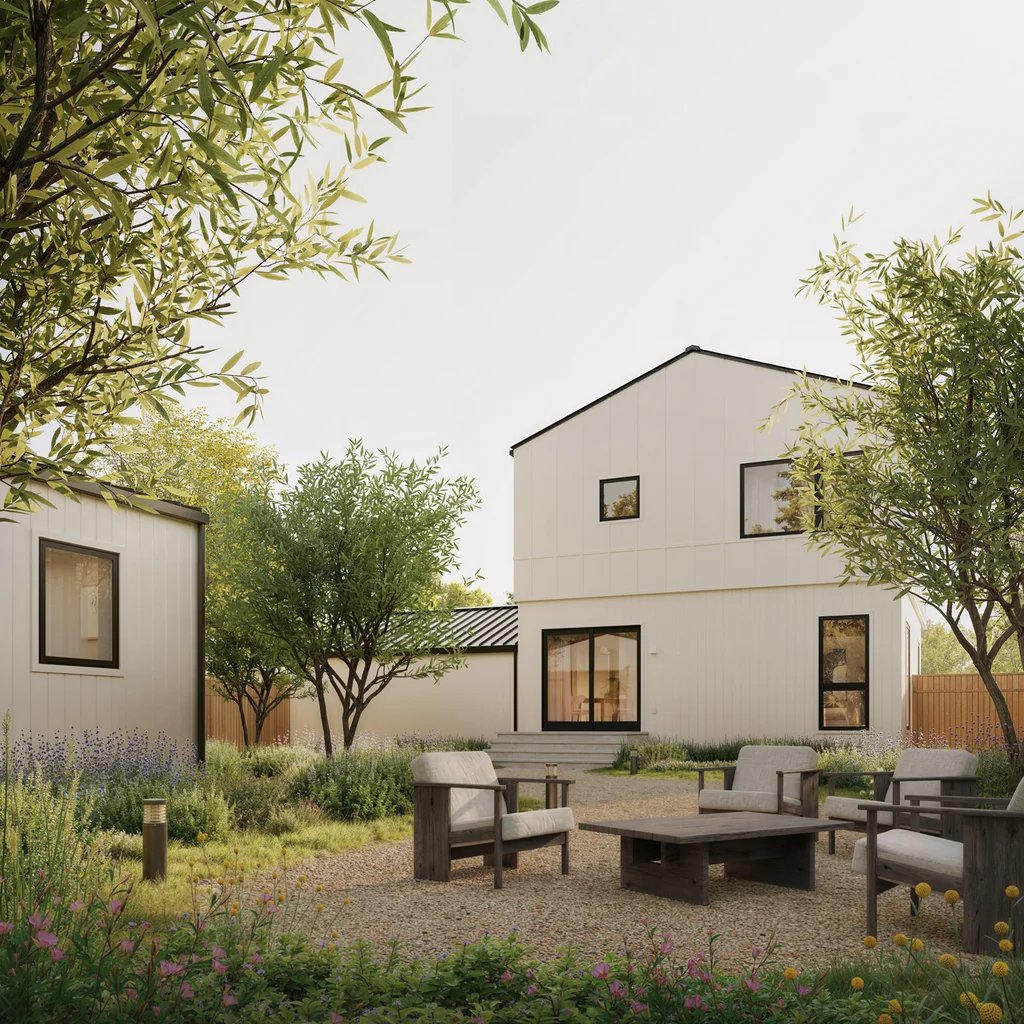
Samara, the prefabricated homebuilder that was created to chip away at California’s housing shortage with well-designed accessory dwelling units (ADUs), is sizing up. But not too much.
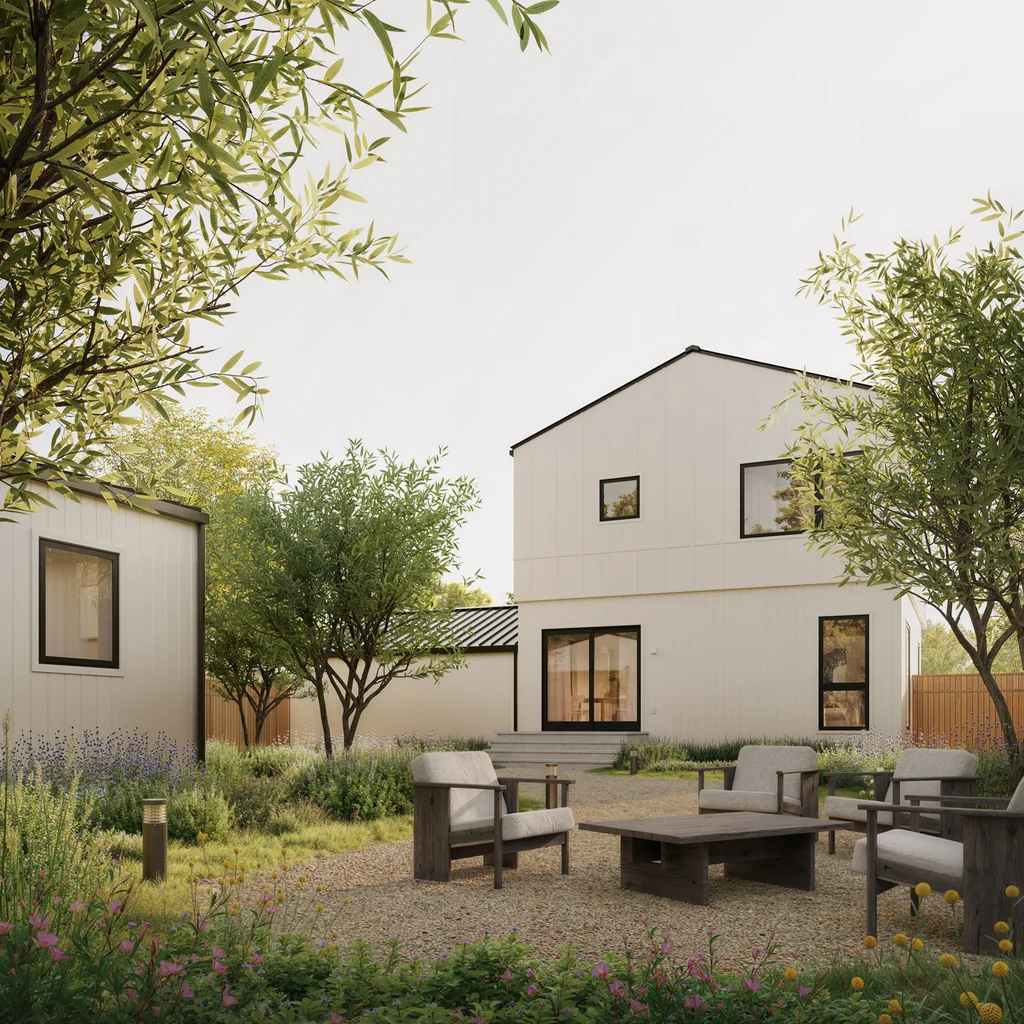
The company has just unveiled Locale by Samara, an expansion into single family homebuilding. But these aren’t the typical single family homes, which now average nearly 2,200 square feet (204 square meters) in size in the U.S. Instead, the company is developing significantly smaller homes, ranging between 1,000 and 1,750 square feet, sited in urban infill sites in some of California’s most desirable cities, and built using the same modular, factory-based process that’s behind the company’s quickly constructed ADUs. It’s an attempt to counter the state’s extravagantly expensive and constrained housing market with homes that are sized and priced more like the starter homes of the past.
“It’s a missing form factor in California,” says the CEO, Mike McNamara. “The price points would be significantly lower on the back of the square footage. And we think it’s the right product, too, because more people want lower square footage, they want smaller yards, they want to be closer to the cities, not driving two hours to go to work.”
McNamara has led Samara since 2020, a few years after it was created as a research and development division within Airbnb. In 2022, it was spun out by McNamara and Airbnb’s cofounder, Joe Gebbia. (Gebbia, now the Trump administration’s chief design officer, is still involved with Samara as cofounder.) Since then the company has been selling backyard ADUs as products, handling the design, permitting, and construction for customers who want a turnkey additional unit on their property.
It’s a niche part of the housing market that’s grown significantly over the past decade, as municipalities and eventually the state have made ADUs legal and feasible to build. More than 30,000 were permitted statewide in 2024, a 20-fold increase from 2016, according to the state’s Department of Housing and Community Development. Samara, which raised $34 million in Series B funding in late 2025, has 250 ADUs either built or in the works, with prices starting at $152,000 plus installation.
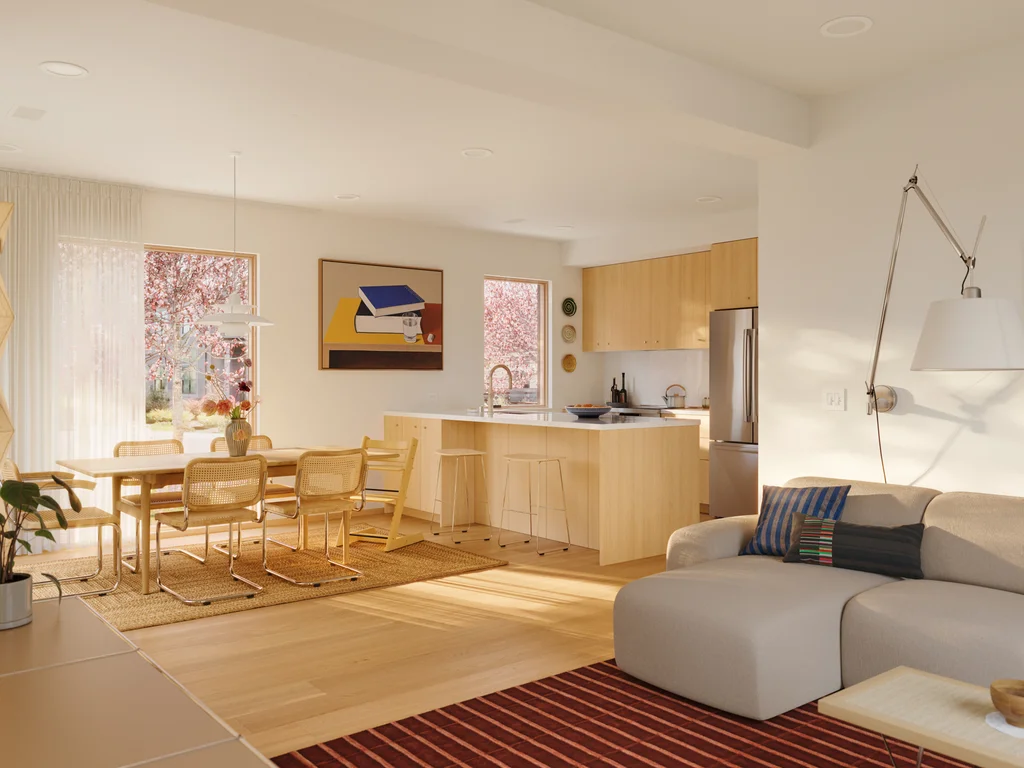
With Locale, Samara seeks to replicate that growth in small stand-alone homes clustered on lots that were once zoned exclusively for single family homes. Samara’s starter home focus comes on the heels of a recent amendment to California’s Starter Home Revitalization Act, which allows eligible lots to be subdivided for up to 10 small-footprint homes. The company has about 10 such cluster projects in various stages of development, and McNamara says Samara is using what it’s learned building ADUs in prefab housing factories to bring up the speed and bring down the cost of building single family homes.
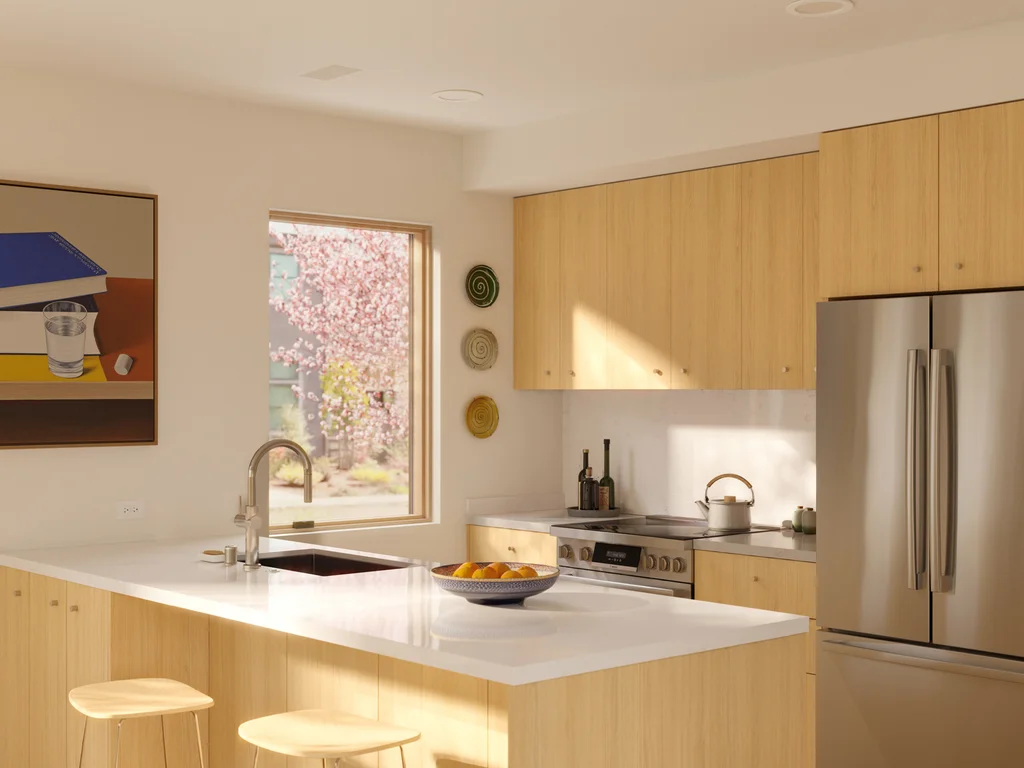
“Our first product was an ADU, but it was never our objective to be an ADU company. It was always meant to be an infill company,” McNamara says. “We designed our entire system around that concept, around small form factor [compact] housing.”
Samara is playing the role of developer for these first 10 projects, buying the land, designing the clusters of homes to meet the site conditions, and going through the entitlement and permitting process. The company has permits to build in Los Angeles and in the northern California counties of San Mateo, Santa Clara, and Sonoma.
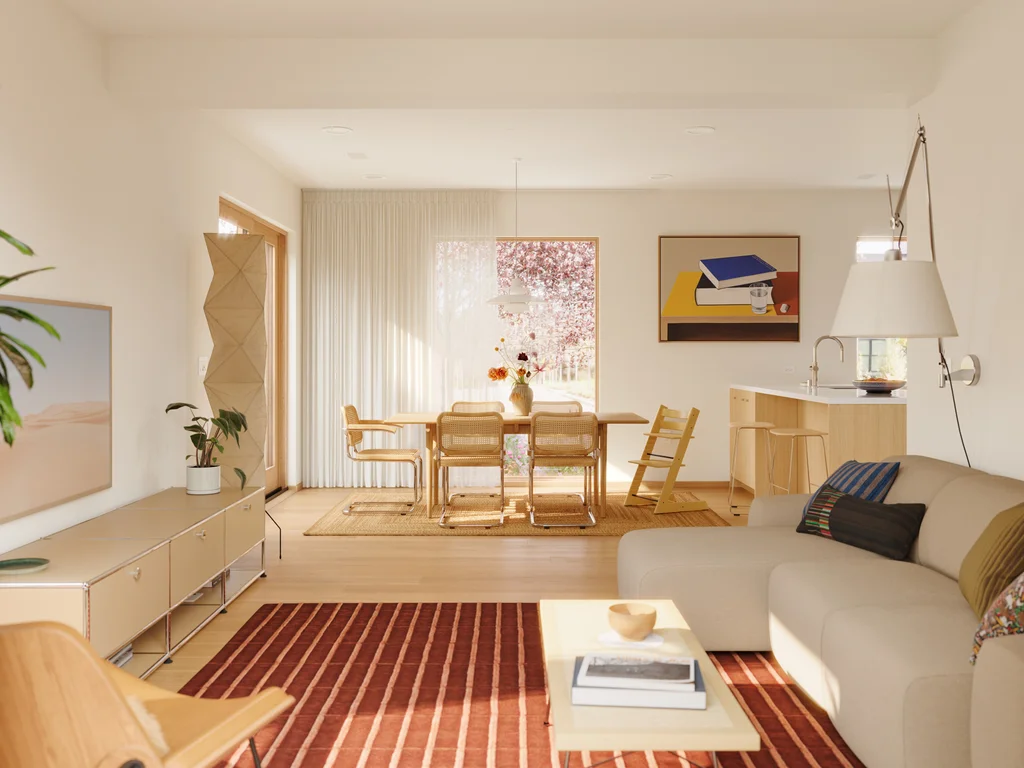
The first Samara starter home projects are in Healdsburg, in the Sonoma County wine region. One project is two small homes, and the other is six. Each home has its own small yard and one-car garage, and abuts a shared paseo. The houses top out at 1,750 square feet. (The two-unit property is priced at $2.195 million, which the company contends is in line with similarly sized new construction in the area.)
McNamara says the projects are all designed specifically for their sites—partly due to the often oddly sized lots available for infill development, but partly to make the projects complement their surroundings. “We work really hard to find the right neighborhood where this slots in, where the neighborhood would benefit and the community would benefit by introducing some additional small form factor homes,” he says. “We want to make sure that we control what they look like because it’s really important for us to be received by the community and be attractive to the community and help that gentle densification that’s coming.”
Samara’s buildings tie into municipal grids for water, sewage, and electricity, and require a slab foundation. After the prefab modules are installed, the homes are ready for people to move in.
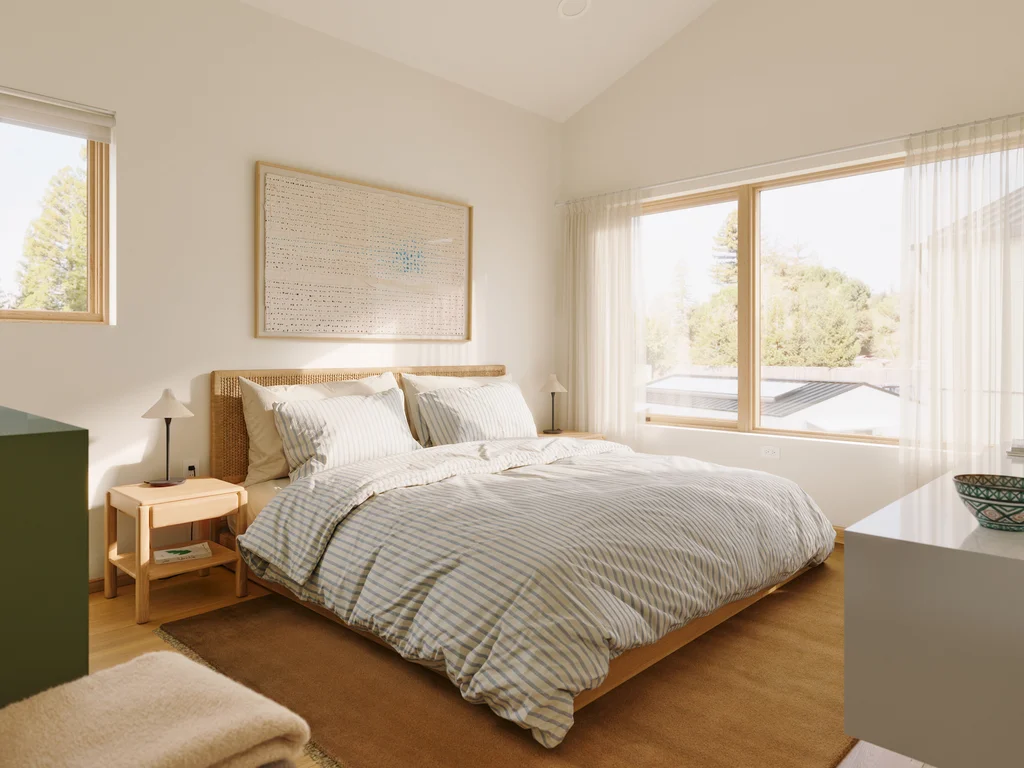
The first project is complete, and the second is expected to finish construction later this summer, using the same off-site building approach Samara has used to expedite the construction of its ADUs. “As soon as the foundation’s done, we can truck in our modules, put the modules on site, turn them into a home, and do that at a rate which is three times faster than what the traditional builders could do,” McNamara says.
That speed and the size of the homes will help bring prices down below the typically high cost of new housing in California. McNamara says it’s too early to say how much each home will sell for, but that they’re expected to be generally lower than the typical new home in each of the markets the company is targeting. “It’ll have a more approachable price point,” he says.
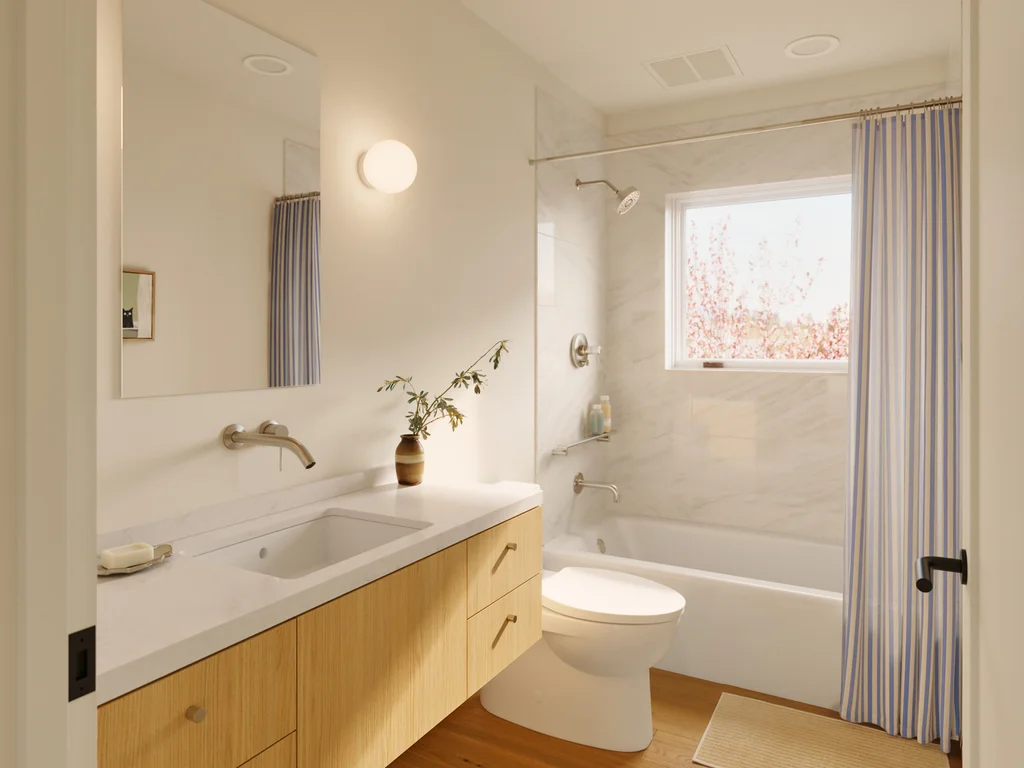
The houses are also designed with sustainability measures, including energy efficient utilities and appliances that can help make them more affordable to operate, as well as whole-house air and water filtration systems. Each will have solar panels and be prewired to run off batteries, and the exterior materials and forms were selected to reduce susceptibility to wildfire. McNamara expects to have more than 150 homes in the company’s development pipeline by the end of the year.
For now, Samara will be developing them on its own, but McNamara says there’s room for partnerships with other developers looking at infill development of a smaller variety.
“Densification is coming, and we’d like to help lead with that,” he says. “We think there’s a lot of opportunities.”