The Robots Have Clocked in and Their Résumés Are Getting Weird
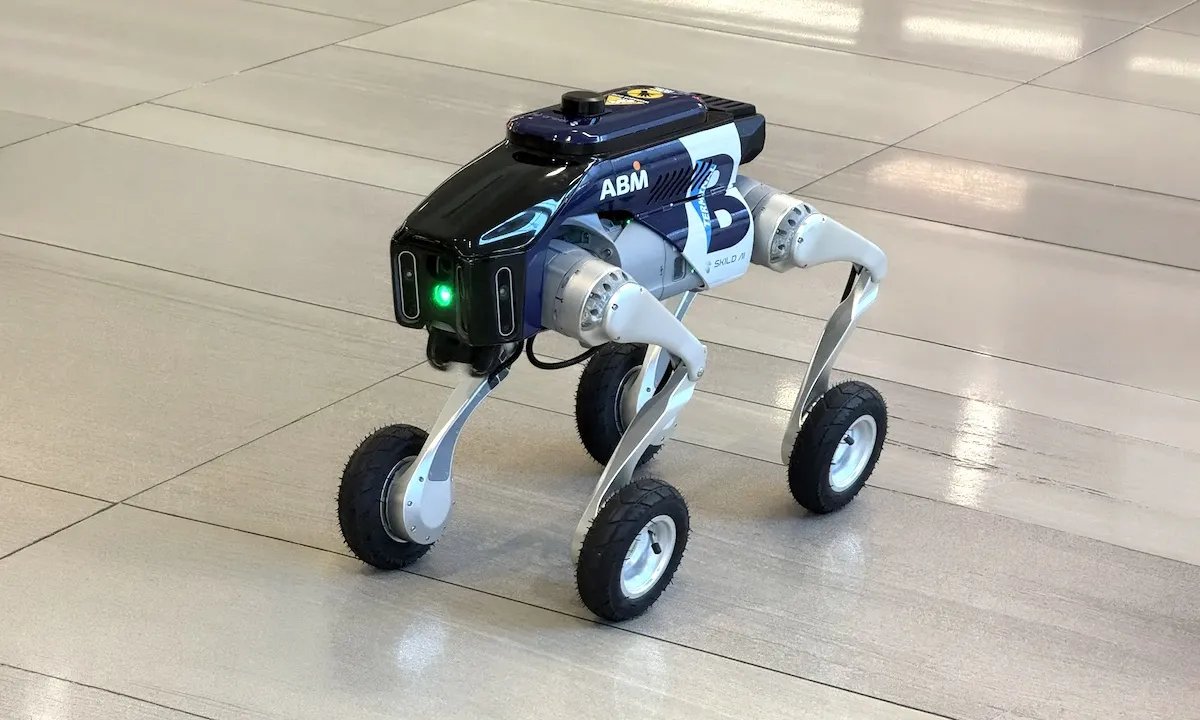
At LaGuardia Airport, where travelers already negotiate with kiosks, scanners and charging stations, a headless, four-wheeled robot dog is now roaming Terminal B’s baggage claim to inspect the air.
The machine doesn’t fetch suitcases, chase pigeons or judge anyone for arriving three hours early. It’s part of a pilot that also includes robotic vacuums and floor scrubbers, Fast Company reported Tuesday (July 28).
The future has arrived wearing no face and working for facilities management.
That may be the best way to understand commercial robotics in 2026. The revolution looks less like one humanoid doing everything and more like one highly specialized machine doing the task nobody wants. Nearly 200,000 professional service robots were sold worldwide in 2024, up 9%, according to the International Federation of Robotics.
Tesla, meanwhile, said it is installing first-generation Optimus production lines in Fremont, with initial builds destined for its internal “Optimus Academy.” Tesla’s robot is beginning factory training, but it is not waiting beside the Model Y at checkout.
The robot job board is already wonderfully strange.
Miso Robotics’ Flippy works the fry station, handing fries, chicken and other foods in commercial kitchens. The company said Flippy can manage more than 100 baskets an hour and has recorded no burns in live deployments. A Fortune report put the price at roughly $5,000 a month. Flippy has the hottest job in the restaurant and no apparent ambition to become regional manager.
Aescape gives massages without spa small talk. The Aescape robotic massage table uses two mechanical arms to deliver customized treatments while the customer controls pressure and focus areas. Sessions start at about $60, according to Wired’s hands-on review. It will work on your lower back without asking whether you have “anything fun planned for the weekend,” which may be its most advanced feature.
Carbon Robotics’ LaserWeeder brings science fiction to the salad aisle. It uses cameras, artificial intelligence and high-powered lasers to identify and destroy weeds without herbicides or soil disturbance. Agriculture has hired a Bond villain, but only to protect the lettuce.
Donatos built a pizza shop that doesn’t sleep. The chain has a fully autonomous restaurant at Ohio’s John Glenn Columbus International Airport, designed to prepare and serve pizzas around the clock. This solves the airport problem of wanting dinner at 5:12 a.m. while avoiding human eye contact.
The names are nearly as entertaining as the jobs. Flippy fries food. Moxi moves medicines and supplies through hospitals. Ozmo cleans skyscraper windows. The naming rule seems clear: Choose something that sounds like a minor Pixar character with excellent attendance.
So, are robots really here? Absolutely, although they are arriving by department rather than marching through the front door. Most are purpose-built, supervised and sold to businesses with a measurable labor, safety or throughput problem. Optimus attracts the spotlight, but today’s commercial workers fry, scrub, carry, inspect, massage and weed.
How much does one cost? The answer ranges from “eccentric engineer impulse purchase” to “call procurement.” Unitree’s store lists its R1 humanoid from $4,900, the G1 at $13,500 and the H2 at $29,900, before shipping and other costs. These are development platforms, not polished household staff. Larger commercial systems are often leased or sold as subscriptions, creating a colleague with a monthly invoice.
Can you buy one with bitcoin? Yes, with an asterisk. Newegg accepts bitcoin and other cryptocurrencies through BitPay and sells robot vacuums, so crypto can already acquire a modest mechanical roommate.
The stranger twist is that robots may soon hold money themselves. Tether and NEURA Robotics have described future robots with self-custodial wallets capable of receiving micropayments and conducting approved transactions.
The robot story is therefore moving past “Will one take my job?” and toward a more practical checklist. Will it clean the fryer? Laser the weeds? Notice the airport smells funny? And, perhaps most important for the digital economy, will it expense its own replacement battery? The robots have clocked in. Human resources may want to update the forms.