Lending more than doubles from May to June: BoE – Mortgage Strategy
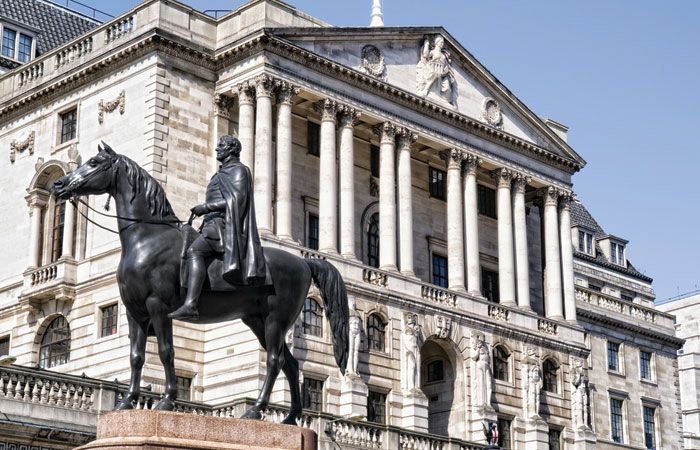

Net mortgage lending more than doubled from £3.3bn in May to £7.7bn in June, the latest Bank of England data shows.
June’s figure was also substantially higher than the previous six-month average of £4.9bn.
Mortgage approvals for house purchases increased to 58,200 in June, from 56,600 in May.
However, this was below the previous six-month average of 61,400, according to the Bank of England’s money and credit index.
Approvals for remortgaging increased to 34,200 in June, from 33,800 in May, although these figures do not capture product transfers where borrowers take a new deal with their existing lender.
The average effective interest rate paid on new mortgages jumped again to 4.35%, as swaps rose in response to the re-escalation of conflict between the US and Iran.
The average interest rate on outstanding mortgages rose to 3.96%.
SPF Private Clients chief executive Mark Harris says: “Mortgage rates have risen back to the same level seen a month ago amid renewed tensions in the Middle East.
“Borrowers who will need a mortgage in the coming months may want to consider securing a product sooner rather than later in case rates rise further in the short term.
“Remortgaging numbers picked up slightly, suggesting that borrowers may be shopping around for better rates rather than sticking with their existing lender when their current deal comes to an end.”
Propertymark chief executive Nathan Emerson says: “The increase in net mortgage approvals for house purchases in June suggests that buyers responded positively to a period of relative economic stability.
“However, approvals remained below the average recorded over the previous six months, indicating that while confidence may be improving, activity has yet to fully recover.
“A consistent Bank of England base rate, competitive mortgage products, easing inflation and a temporary reduction in geopolitical tensions are all likely to have supported buyer confidence during the month.
“As inflation continues to ease, households should benefit from greater financial certainty, making it easier for many prospective buyers to plan ahead, build savings for a deposit and take advantage of more competitive borrowing costs.
“However, there remain headwinds.
“Inflation is still above the Bank of England’s 2% target ahead of tomorrow’s interest rate decision, while higher household costs, including increased energy prices from 1 July, continue to place pressure on household finances.
“Ongoing uncertainty in the Middle East also has the potential to affect global energy markets and inflationary pressures, meaning affordability will remain a key challenge for many aspiring homeowners.”