Rupee is undervalued, says RBI Governor: What it means and why it matters | Finance News
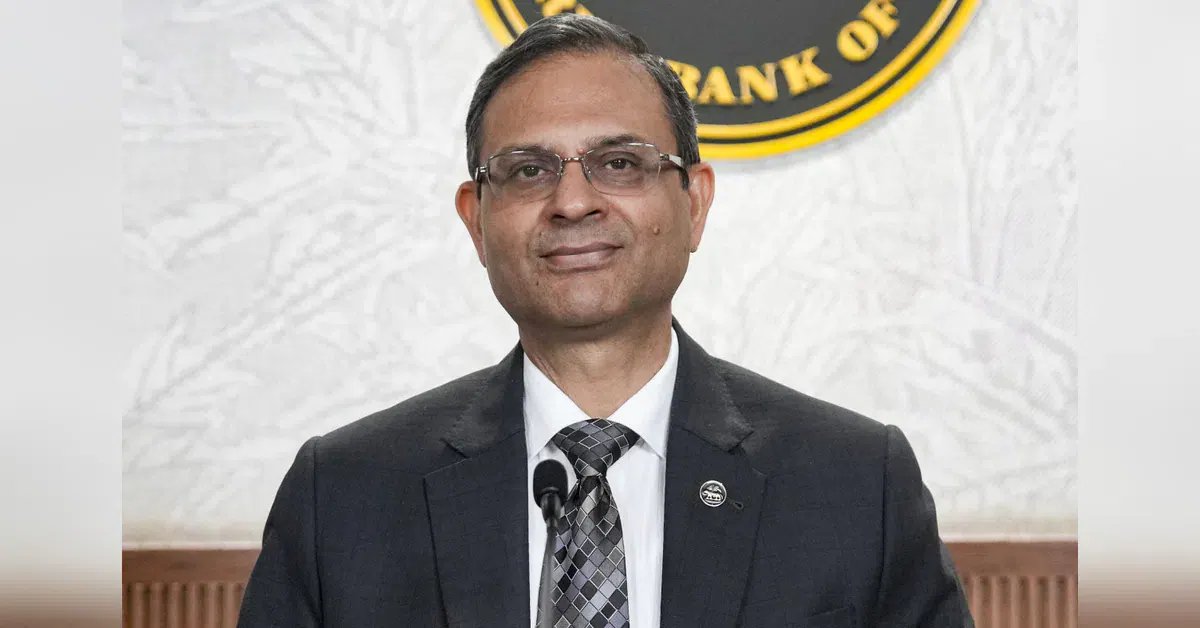
In a recent interview with The Hindu Businessline, Malhotra said the rupee’s recent weakness is mainly due to global factors such as geopolitical tensions, a stronger US dollar and volatility across emerging markets, rather than any weakness in India’s economy.
What rupee being undervalued means
A currency is considered undervalued when it trades below the level suggested by economic fundamentals such as inflation, productivity and trade performance.
An undervalued rupee can make Indian exports more competitive because Indian goods and services become cheaper for overseas buyers. It can also help sectors that earn in foreign currencies, such as information technology and other export-oriented industries.
However, a weaker rupee can make imports such as crude oil, electronics and other foreign goods more expensive, which may add to inflation if the trend continues.
Why RBI Guv’s remarks matter
Malhotra’s statement is significant since serving RBI governors generally avoid publicly assigning a fair value to the currency during periods of market volatility. A Bloomberg report described his assessment as a “rare public assertion” because the RBI traditionally refrains from commenting directly on whether the rupee is overvalued or undervalued.
Why does the rupee’s valuation matter for India?
A weaker rupee can make Indian goods and services cheaper for foreign buyers, improving export competitiveness. It also increases the rupee value of overseas earnings for export-oriented sectors such as information technology and pharmaceuticals.
However, India depends heavily on imports of crude oil, electronics, machinery and fertilisers. A persistently weak currency raises import costs, squeezes companies that rely on foreign inputs and can eventually push up consumer prices.