July full moon 2026: Here’s the meaning behind the summer ‘buck moon’—and the best time to see it
Fifty-seven years ago, astronauts Neil Armstrong and Buzz Aldrin became the first people to walk on the moon as part of the Apollo 11 mission.
Most Americans won’t ever step foot on the moon, or even see it up close. But with this week’s “buck moon,” you can get a pretty good view.
Here’s everything you need to know about July’s full moon, which hits its peak on Wednesday, July 29, at 10:36 a.m. ET.
Why is it called a “buck moon”?
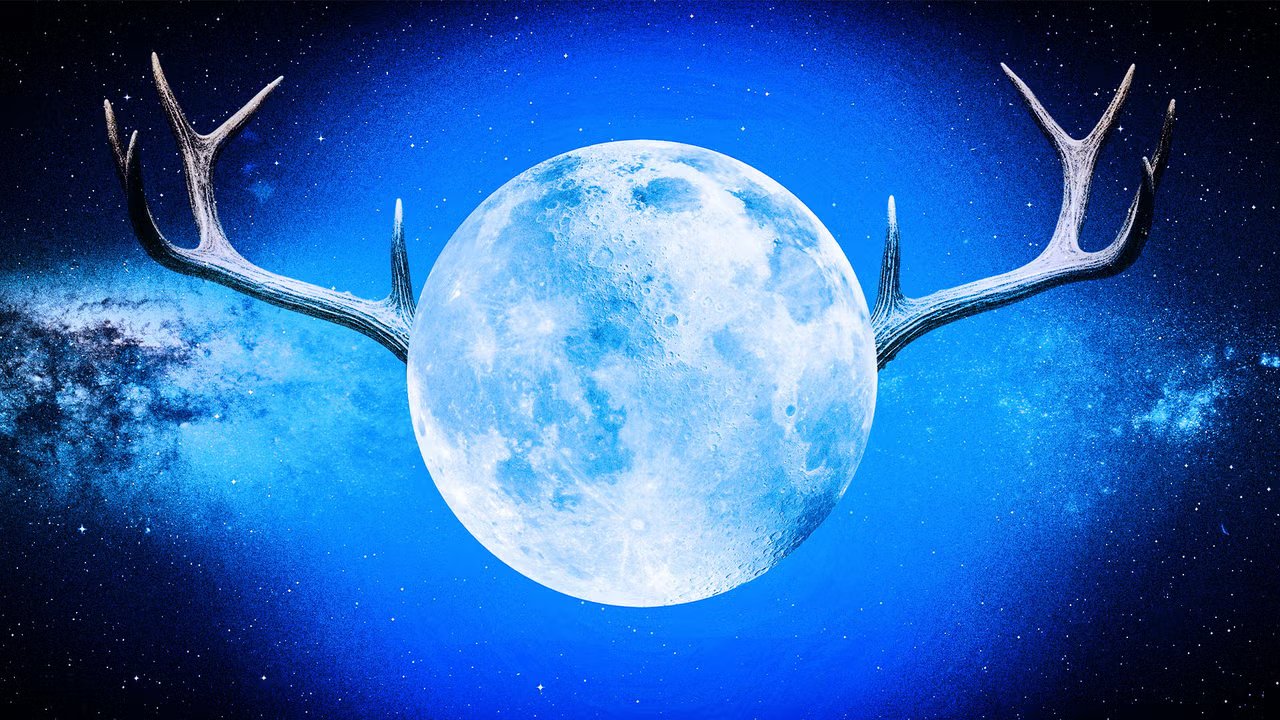
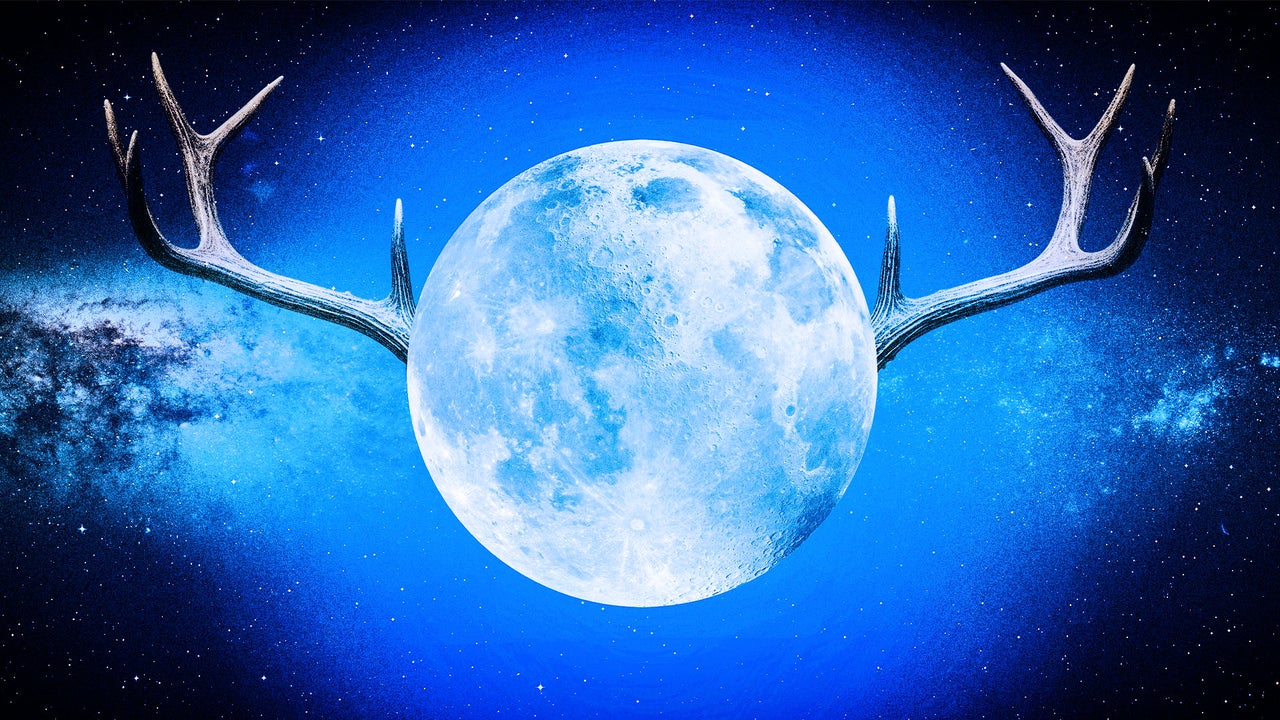
July’s full moon is annually labeled the “buck moon” because the month coincides with when male deer grow their antlers.
The name—like most others—comes from The Old Farmer’s Almanac, which has published Native American full moon names since the 1930s. The buck moon’s name comes from Algonquin-speaking tribes along the Atlantic coast and Great Lakes region.
The buck isn’t the only animal representing this full moon. The Pacific Northwest Tlingit culture calls July’s full moon the “salmon moon,” because late July marked salmon’s return to the region—the prime time for harvesting.
What to look for
If you look up tonight, the buck moon might not be the only astronomical phenomenon you see. The end of July is also one of the most abundant times of year for meteor showers.
This week, sky-watchers can see shooting stars from the Southern Delta Aquariids, Alpha Capricornids, and Perseids meteor showers—though the full moon’s light may make them less visible.
Observers may also spot Mercury as the planet prepares to reach peak visibility this Sunday.
Viewers in the Midwest and Northeast could see an orange tinted-moon. Sadly, it’s not for any astronomical reason, but because of Canadian wildfire smoke, according to CNN.
With a telescope and an observer’s guide, keen eyes might even see the Apollo landing sites across the moon’s full face.
Time to manifest?
This year, the buck moon is in Aquarius. The air sign ties to self-expression, personal aspirations, and social connection, said astrologer Kyle Thomas on Good Morning America.
Based on that description, the buck moon could be a great time to vocalize wishes for those hoping for a new job, bolstered career success, or strengthened relationships.
How to best view the buck moon
Not able to see the buck moon tomorrow morning? No problem. The moon will appear full for two nights, according to the Farmers’ Almanac.
On the East Coast, the best time to see the moon is within 15 minutes of local sunset on Wednesday evening. See the best viewing time for your area with this Time and Date calculator.
For the best view, NASA scientists recommend a dark, open-space location away from bright lights.