Instagram cracks down on growing ‘pervert glasses’ problem with Meta Ray-Bans
Some people fear heights. Others fear the dark. Some increasingly fear ending up in a stranger’s Instagram Reel, recorded without their knowledge by a pair of what the internet has taken to calling “pervert glasses.”
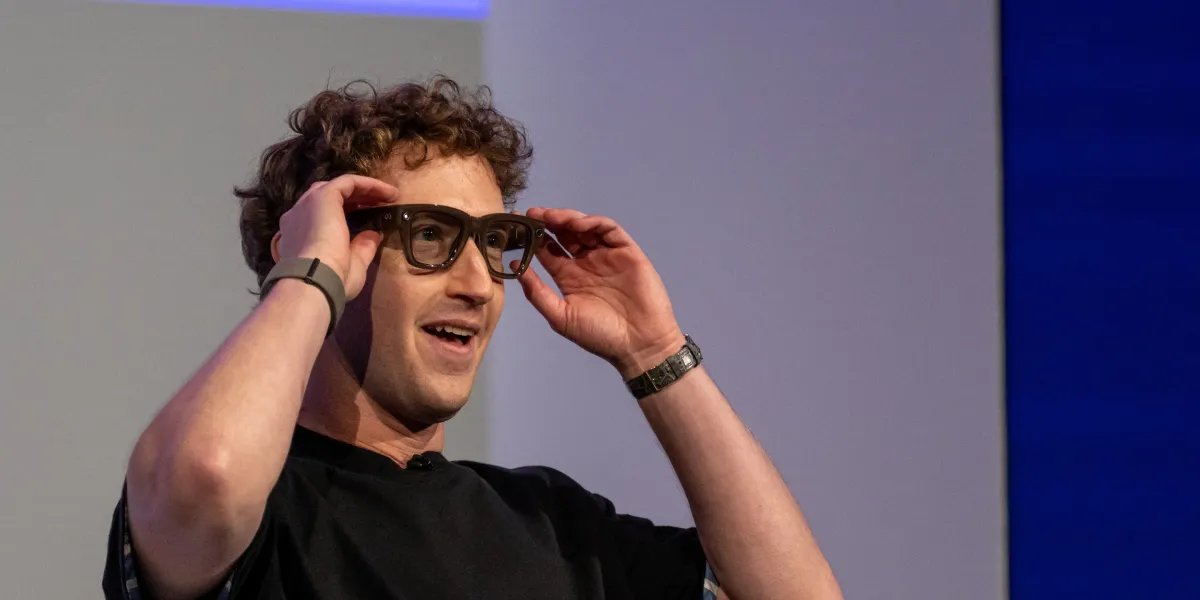
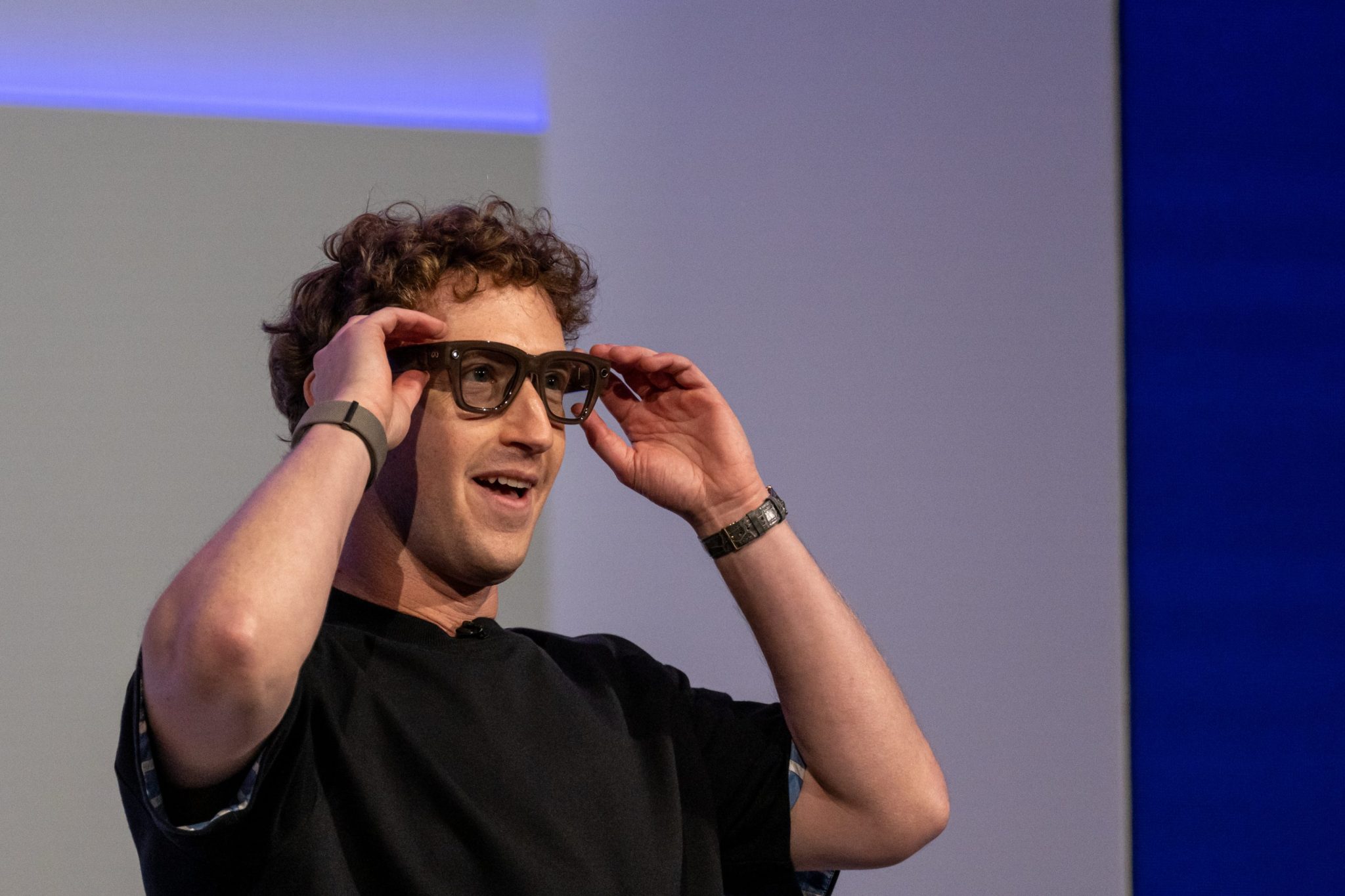
These would be the same Ray-Ban Meta glasses that Mark Zuckerberg has spent years pitching as one of AI’s first breakout consumer products. It turns out the glasses can answer questions, translate language, capture photos, livestream hands-free — and record videos surreptitiously.
Instagram is cracking down on videos recorded using Meta’s Ray-Ban smart glasses, whose built-in camera allows users to capture photos and videos hands-free, after prank videos and clips of pickup artists secretly recording women in public spread across social media. The trend has fueled privacy concerns around the glasses and earned them an unflattering nickname online: “pervert glasses.”
“If you’re posting content that is taking advantage of people and harassing them, like a lot of these pickup line kind of videos that we’ve heard of and seen, then we’re going to take the content down,” Instagram head Adam Mosseri said in response to a question on his Instagram Stories last week. Meta has also removed creator accounts that violated the policy.
The move underscores the challenge for Meta: convincing consumers that AI-powered glasses can become an everyday device without sacrificing privacy. This controversy adds to a growing list of Meta’s privacy challenges, expanding the debate from the company’s data practices to how people are using its AI-powered glasses in public.
Privacy has become Meta’s biggest hurdle
After introducing four new AI glasses in 2025, Meta and partner EssilorLuxottica expanded the lineup again in June 2026 with three new Meta Glasses frames in 26 styles starting at $299. That expansion comes as demand accelerates: shipments of smart glasses without display surged 167% year-over-year in the first quarter of 2026 to roughly 2.25 million units, while Meta captured 69.2% of the market.
But as the glasses have become more capable and more widely adopted, questions about privacy have grown alongside them.
Earlier this year, Fortune reported on a lawsuit alleging that contractors in Kenya were reviewing interactions including highly sensitive footage voluntarily shared by users, including videos of people using the bathroom, undressing and handling financial documents.
Meta has pushed back on those concerns. The company told Fortune it has “built privacy into the camera for the glasses from the ground up.” The company said in an emailed statement the glasses include a white LED that flashes whenever users capture a photo or video and cannot be turned off to help wearers and bystanders feel more comfortable.
In a July 7, 2026, blog post, Meta reiterated that photos and videos captured with the glasses remain private unless users choose to share them. Every pair includes a recording indicator light that cannot be turned off. The company also said it has updated the glasses to automatically disable the camera if it detects that light has been physically tampered with or destroyed.
“There’s this kind of a mismatch between the expectations we have in public and the privacy concerns people have,” Thorin Klosowski, a security and privacy activist at the digital rights group Electronic Frontier Foundation, told Fortune. Historically, people have been able to tell when someone was taking a photo because they were holding up a smartphone or camera. Smart glasses make that much less obvious.
From AI assistant to hidden camera
In March 2026, Wired reported that aspiring influencers and pickup artists have been using Meta’s smart glasses to secretly record unsolicited interactions with women before posting the footage online, often without the women realizing they had been filmed.
The backlash is beginning to spill into the real world. Earlier this month, U.K. convention organizer Monopoly Events banned Meta glasses and other wearable recording devices from its Comic-Con events, the BBC reported, after attendees and celebrity guests raised concerns about covert recording.
To Klosowski, those incidents show how the privacy debate surrounding AI glasses has evolved. Previous concerns centered on Meta’s data practices. Now, he said, people are equally worried about how everyday users are employing the devices in public. Smart glasses create a fundamentally different privacy challenge than smartphones because bystanders often have little indication they may be recorded.
“With the glasses, it’s just fundamentally, completely, utterly different,” Klosowski said to Fortune. “Unless you’re literally in front of them, you don’t know whether it’s recording or whether they’re taking photos.”
Privacy advocates say those concerns could become even greater if smart glasses eventually incorporate facial recognition. In April, 75 civil liberties organizations, including the ACLU and the Electronic Privacy Information Center, urged Meta to halt plans to equip its smart glasses with facial recognition technology, warning it could make stalking, harassment and surveillance significantly easier.
Apple bets on privacy
Meta’s privacy challenges could also create an opening for competitors. Bloomberg’s Mark Gurman reported that Apple is planning to unveil its first smart glasses at WWDC next June, with privacy as a central focus. The glasses will include on-device AI processing while avoiding facial recognition and always-on recording. Apple did not immediately respond to Fortune’s request for comment.
Similar to Meta’s glasses, Apple’s are expected to include cameras, speakers and microphones for features such as music, phone calls and notifications from Siri. Whether that approach ultimately resonates with consumers remains to be seen.
Klosowski said privacy could become a major selling point as more companies enter the smart glasses market, adding, “We’ll have to wait and see what competitors are actually doing in practice to see if that works.”
Klosowski also said he hopes society doesn’t simply accept constant recording in public as inevitable.
“I hope that there is not just a general giving up toward the inevitability of everyone having a camera strapped on their face all the time.”