It’s only July, but measles cases in 2026 have already topped last year—and last year was already bad
Confirmed measles cases have climbed to 2,318 so far this year, according to new data from the Centers for Disease Control and Prevention (CDC), marking a second consecutive record-breaking year.
The CDC reported 2,289 confirmed cases for all of 2025.
The current 2,318 total is a 35-year high. The last time the United States saw a higher annual case count was 1991, when 9,643 cases were reported. With more than five months left in 2026, this year’s numbers are likely to grow. Here’s what you need to know.
35 new outbreaks have been reported in 2026
According to CDC data as of July 23, 2,302 of the 2,318 confirmed measles cases have been reported across 45 U.S. jurisdictions.
The remaining 16 reported cases were among international visitors. Ninety-three percent of cases this year have been in people who are unvaccinated or whose vaccination status is unknown.
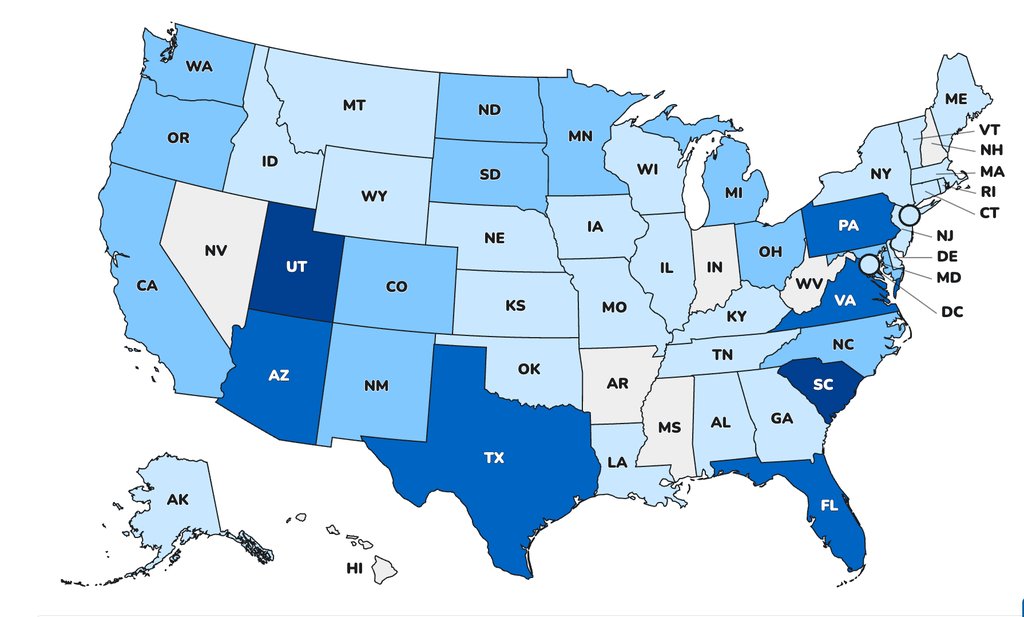
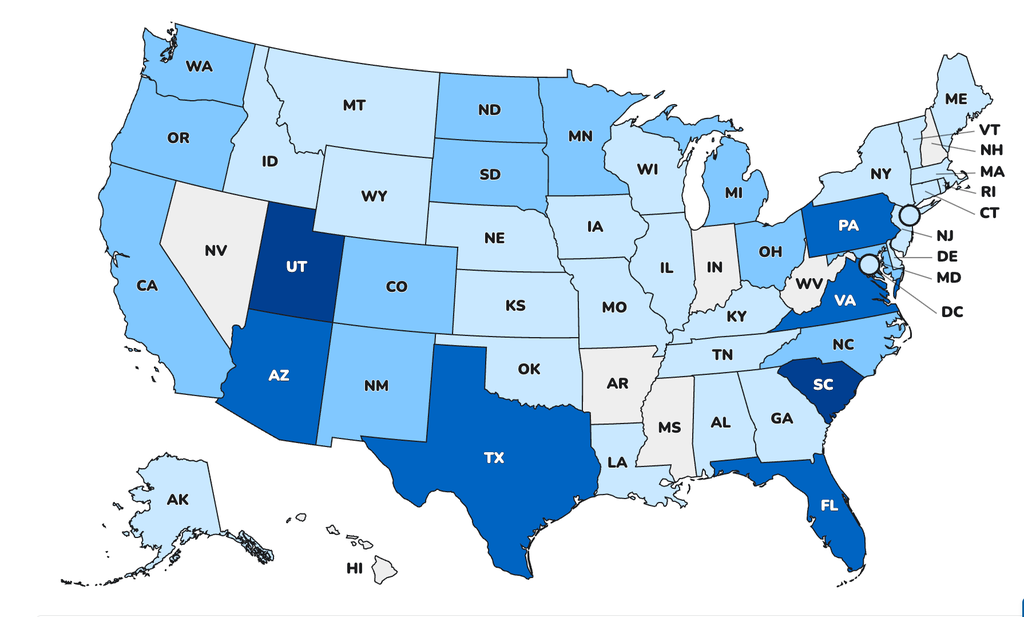
Some states have been harder hit than others. South Carolina has the most reported infections with 670 confirmed cases, followed by Utah with 522. Arizona, Florida, Pennsylvania, Texas, and Virginia have each reported more than 100 cases.
Measles outbreaks are preventable
Measles is a highly contagious virus. Common symptoms include a high fever, cough, runny nose, and a skin rash. When someone with the virus coughs, sneezes, or talks, droplets spray into the air, where they can remain infectious for up to two hours.
According to the Mayo Clinic, people can catch measles by breathing in those droplets or by touching a contaminated surface and then touching their mouth, nose, or eyes.
Measles outbreaks are highly preventable. The measles, mumps, and rubella (MMR) vaccine is safe and effective, with two doses offering the best protection.
According to the CDC, two doses are about 97% effective at preventing measles, and one dose is about 93% effective.
The CDC recommends that children receive two doses of the MMR vaccine, one between 12 and 15 months of age, and a second between ages 4 and 6, before starting school.
Measles immunization continues to decline
Despite the vaccine’s effectiveness, growing skepticism and declining childhood vaccination rates have fueled the recent surge in outbreaks.
Experts say that when more than 95% of a community is vaccinated, most people are protected through community immunity. But coverage among U.S. kindergarteners has decreased from 95.2% in the 2019-2020 school year to 92.5% in 2024-2025, CDC data shows.
The United States achieved measles elimination in 2000, defined by the CDC as the absence of endemic measles transmission for a period of 12 months or more. Public health experts warn that the United States could lose its measles elimination status.