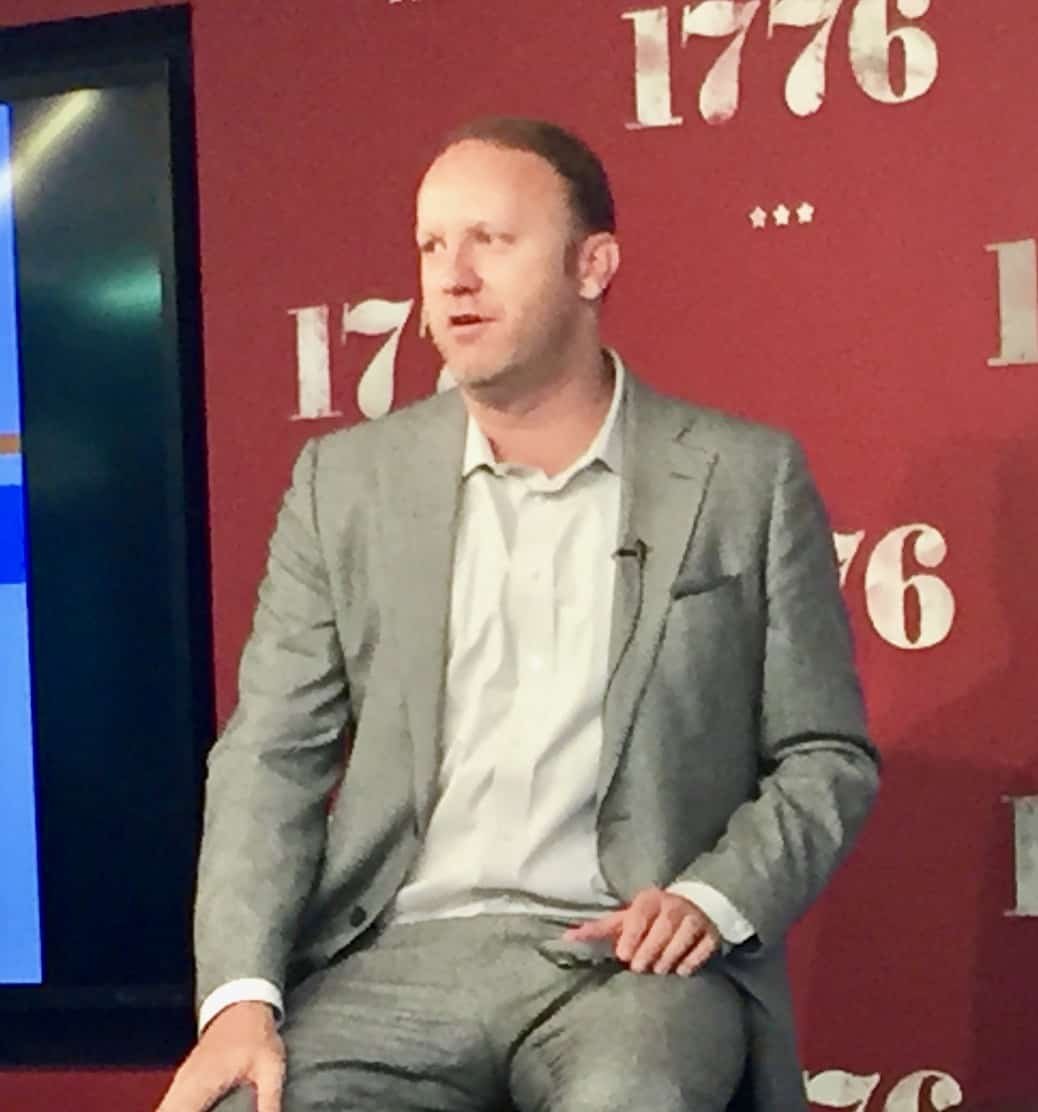
Capital Ideas: Going Public’s Darren Marble On Streaming Capital Formation And The Retail Investor Appetite That Won’t Go Away
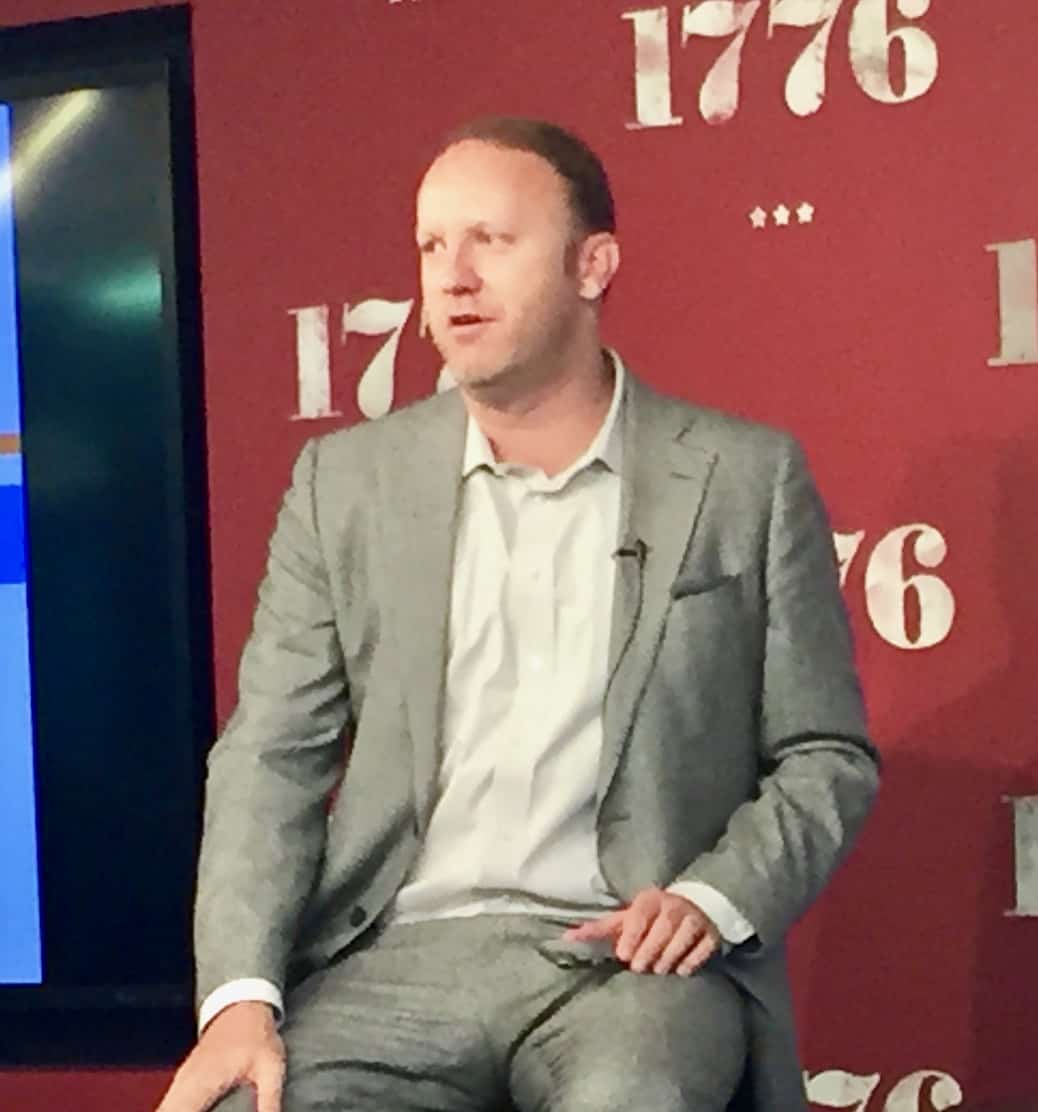
Darren Marble has spent years arguing that the wall between entertainment and investing doesn’t need to exist – and that tearing it down could actually make private capital formation more transparent, not less.
Marble, Founder and CEO of Going Public, joined ICAN co-hosts Nick Morgan, Mark Hiraide, and Dara Albright on a recent episode of the Capital Ideas podcast to make that case. Going Public is an interactive streaming platform built around Regulation Crowdfunding (Reg CF) and Regulation A+ (Reg A) offerings, where viewers can watch companies raise capital in real time and invest alongside the story directly through the platform.
At first glance, the concept sounds simple: combine media, entrepreneurship, and investing into a single experience.
But beneath that idea sits a much larger conversation about retail participation, investor choice, and whether capital formation is entering a fundamentally different era.
In recent decades, everyday investors largely participated in growth stories only after companies reached public markets – often long after the greatest period of value creation had already occurred. Venture capital, private equity, and private offerings remained accessible primarily to institutions and accredited investors.
Yet Marble pointed to a shift that may have been hiding in plain sight.
One of the most revealing moments in modern capital formation was not an IPO boom – it was the ICO boom.
One of the most revealing moments in modern capital formation was not an IPO boom – it was the ICO boom
Regardless of how one views the outcomes of the 2017 crypto fundraising cycle, it demonstrated something markets could not ignore: that retail’s desire for growth investing was stronger than most realized.
That demand appears especially strong among younger generations.
Today’s investors grew up in a world shaped by digital communities, creator economies, social platforms, and direct participation. They are accustomed to interacting with brands rather than consuming passively.
Marble suggested that this behavioral shift may eventually reshape investing itself.
Younger investors increasingly want more than brokerage access. They want connection to founders, visibility into company building, and opportunities to participate earlier.
They want an investing edge.
That is where Going Public attempts something different.
Historically, retail investing shows did not exist because entertainment and securities regulation operated in entirely separate worlds.
Traditional fundraising happened behind closed doors through roadshows, private meetings, and curated introductions.
Going Public attempts to bring the entrepreneur directly to the retail investor through modern streaming platforms.
Critics sometimes argue that combining entertainment and investing risks “gamifying” finance.
But Marble offered a different perspective: storytelling can increase transparency rather than reduce it.
Traditional fundraising often limits investors to polished decks, selected metrics, and short management presentations.
By contrast, following along with founders as they navigate uncertainty, setbacks, pressure, and execution challenges may provide investors with information and insight not available through conventional deal-marketing channels.
Viewed that way, storytelling becomes less about marketing and more about due diligence.
Importantly, the conversation emphasized that expanding access alone is not enough.
Deal quality remains essential.
Democratized investing should not mean flooding retail investors with more opportunities simply for the sake of participation. Access without quality risks disappointment and eroded trust.
Democratized investing should not mean flooding retail investors with more opportunities simply for the sake of participation. Access without quality risks disappointment and eroded trust
Long-term success depends on creating environments where investors can evaluate legitimate opportunities with sufficient information to make informed decisions.
That naturally leads to some of the most difficult policy questions in capital markets: Who should dictate deal terms – issuers or investors? And who is best equipped to assess investment risk – investors or government?
Regulators often justify restrictions as necessary investor protection. But Marble and the Capital Ideas team explored whether limiting access can create unintended consequences by pushing investors toward less transparent alternatives or preventing participation altogether.
Risk is inherent to investing.
The strongest form of investor protection may not always be prohibition. It may be transparency.
Going Public points toward a future where consumers become stakeholders, audiences become communities, and investing becomes embedded into mainstream culture.
Whether that future arrives quickly or gradually remains to be seen. But one thing appears increasingly clear: Retail investors are no longer satisfied watching wealth creation from the sidelines. And they want more than front row seats.
As “investumers,” they not only want to invest in the companies whose products they consume – they want to help shape the storylines that build those companies.
Retail investors are no longer satisfied watching wealth creation from the sidelines. And they want more than front row seats.

Nick Morgan is President and Founder of ICAN, the Investor Choice Advocates Network, a nonprofit public interest litigation organization dedicated to serving as a legal advocate and voice for everyday investors and entrepreneurs. He was previously a partner in the Investigations and White Collar Defense Group at Paul Hastings law firm. Morgan previously served as Senior Trial Counsel in the SEC’s Division of Enforcement. Capital Ideas is a series created by Morgan and Dara Albright.