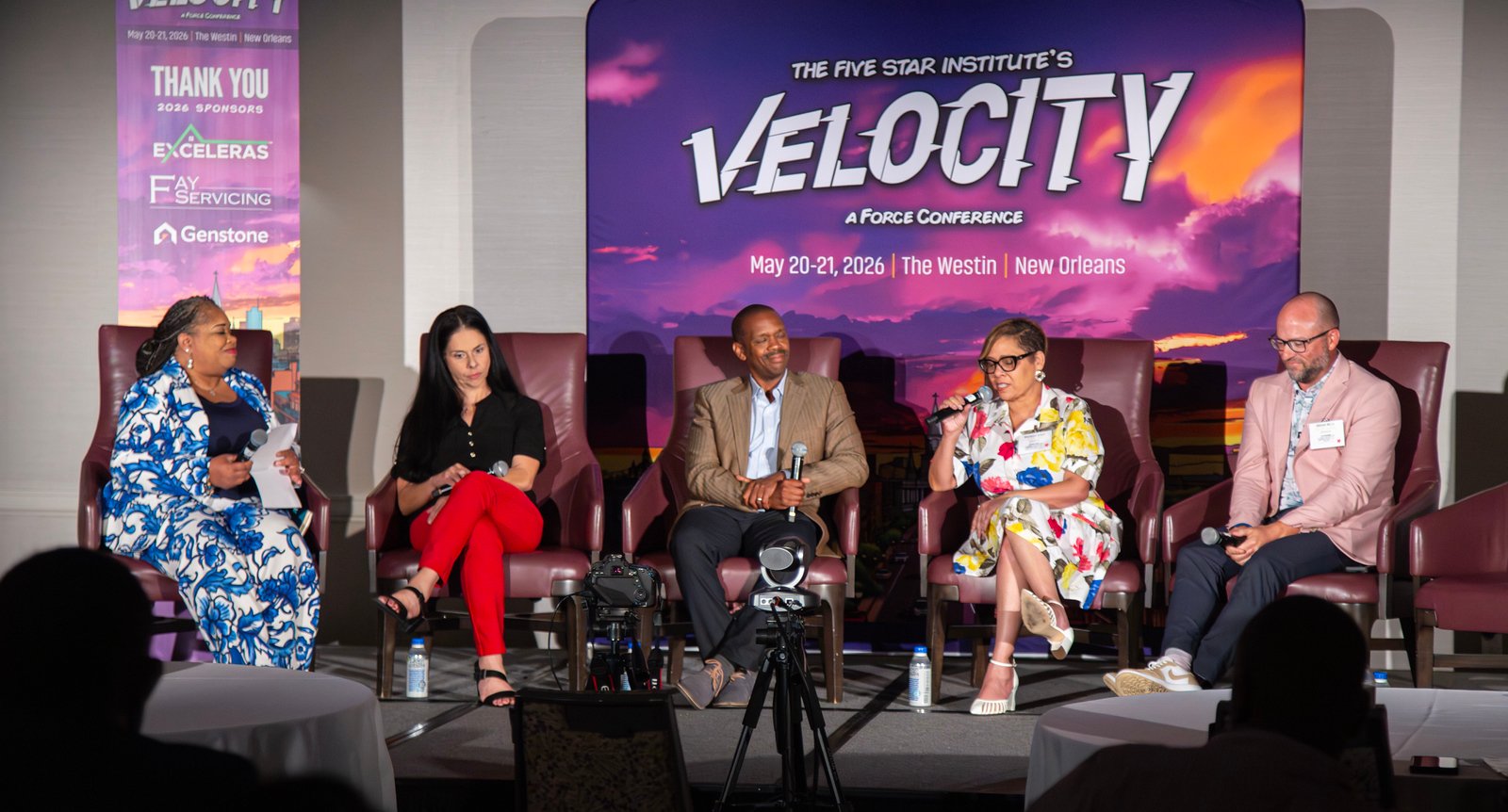
Velocity 2026: The Power of the Right Partners
In real estate, your results are only as strong as the people you work with, and this session of the Velocity, A Force Conference, in New Orleans focused on building the right vendor and partner relationships to support growth, efficiency, and profitability.
Velocity was a dynamic conference designed for Real Estate professionals. It was crafted for agents, brokers, asset managers, property management practitioners, attorneys, and servicers. It delivered valuable growth strategies through interactive expert-led sessions and workshops. Seasoned leaders curated unparalleled content and shared niche industry insights within an exclusive but casual setting designed for forging beneficial connections.
With a focus on expanding market share and fostering versatility, Velocity equipped attendees for success in every market cycle, whether a veteran or newcomer, and ensured a tailored experience to increase your impact!
Attendees learned how top operators evaluate partners, set expectations, and build teams that scale with them.
The panel was composed of Kimberly L. McClinton, Designated Managing Broker/Owner of Keyed Realty Collective LLC; Christina Griffin, SVP, Agent Growth & Success at Genstone Realty; Sean Hope, Owner/Broker/Founder at Hope Real Estate (HRE); Rochelle Jones, Founding Principal-Broker with Aplomb Real Estate; and Jordan Wilde, Founder & CEO of JW Partner Solutions.
Partnerships Should be Strategic, Not Merely Transactional
The panel repeatedly emphasized that long-term success comes from building genuine relationships with vendors, contractors, attorneys, fellow brokers and clients—not simply complete transactions.
They said that staying in touch, referring business to partners, and investing in those relationships creates trust, repeat business, and stronger referral networks.
“Stop being all about the transaction and look at how you can touch them,” Griffin said.
“When we walk out of a house, we should have a list of people that we are going to connect with… We have to stay in touch with them,” Griffin noted.
Systems and Processes are Essential for Scaling a Business
Strong partnerships alone are not enough, however. As businesses grow, documented workflows, clear expectations and standardized procedures prevent bottlenecks. Panelists stressed setting expectations with vendors before work begins, using checklists, assigning responsibilities clearly and holding partners accountable for performance.
“I often partner with someone who has more than the skillset… someone who instinctively is saying, ‘We have to stop. We need to run a spreadsheet. We can’t go another step until we organize and set up systems,” Hope said.
Delegation and Time Management are Critical to Growth.
Some of panel members said they initially tried to do everything themselves, leading to burnout and limiting their businesses’ growth.
“If I’m going to show up as a leader… I have to put myself first,” Griffin said.
The panelists told attendees to identify repetitive tasks that can be delegated or automated, time-block important work and understand the real cost of spending valuable hours on low-value administrative work.
“I believe in co-opetition more than I believe in competition,” Jones told the attendees.
Artificial intelligence is becoming a competitive advantage—but only when used thoughtfully, the panelists noted.
AI is Becoming a Competitive Advantage, But Only When Used Thoughtfully
AI tools such as Claude, ChatGPT and other automation platforms can save significant time by organizing files, drafting emails, monitoring tasks and automating routine work.
The panel warned that “garbage in, garbage out” still applies and that AI-generated work must be reviewed carefully, and brokers need to focus on adding the human judgment and local expertise that AI cannot replace.
“AI can expose you real fast,” Wilde said.
“If you automate 80% of it, that 20% gives you all of that time to be relational,” Wilde noted.
Know Your Strengths, Your Limits and Your Long-Term Goals
Several panelists reflected on painful lessons learned from trying to expand too quickly or take on too many roles.
They said that successful scaling requires focusing on the areas where you have expertise, building the right team around you and being realistic about your bandwidth.
One panelist summarized the lesson by saying that growth isn’t about doing everything, it’s about doing the right things well while maintaining balance.
“You’re going to have a lot of Fs in your life… Faith, family, finances, friends and fun,” Wilde said.