There’s a new workforce crisis and it isn’t burnout
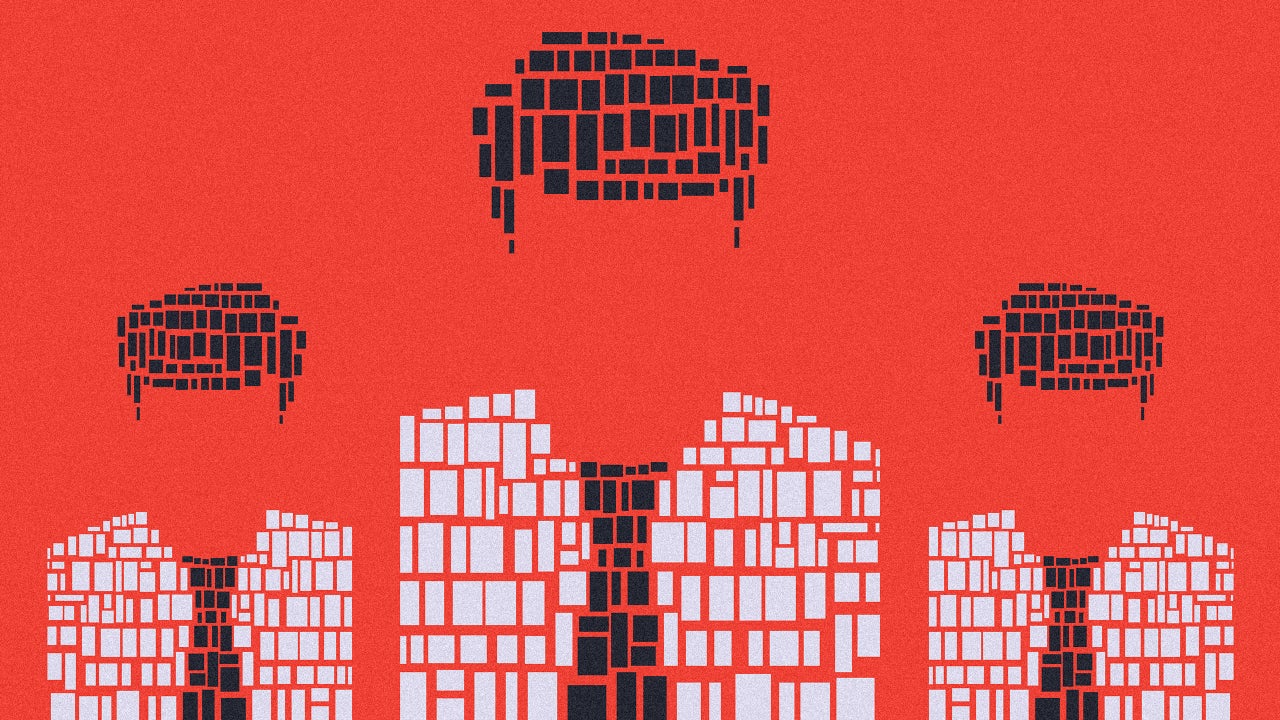
Something strange is happening in offices and on video calls right now. By almost every visible measure, people are still showing up and doing their work. They are nodding along in meetings and occasionally unmuting to say it sounds great. And underneath all that motion, a growing number of them have quietly left the office.
The numbers are stark enough to stop you. In DHR Global’s 2026 Workforce Trends Report, a survey of 1,500 knowledge workers across North America, Europe, and Asia, the share of employees describing themselves as very or extremely engaged fell from 88% in 2025 to 64% in 2026. That is not a drift; it is more like a cliff. In a single year, nearly a quarter of the engaged workforce quietly stepped back, even as 83% reported feeling at least some degree of burnout.
The language hasn’t caught up
We reached for a phrase a few years ago to describe a milder version of this: quiet quitting, the act of doing your job and no more, withdrawing the discretionary effort that companies had come to expect for free. But what’s happening now is deeper and harder to see, and the language hasn’t caught up. People aren’t just withholding extra effort; they are withholding themselves. This crisis isn’t about workload. It’s about identity.
Here’s the distinction that matters. Disengagement framed as an effort problem invites effort solutions: incentives, perks, a return-to-office mandate, a new recognition program. And companies are trying it all. But you can’t pay someone to care, because what they’ve withdrawn was their fire: the creativity, the initiative, the sense that who they are and what they do are connected.
When that thread is cut, what remains is a competent performance of a job by someone who has quietly concluded that the real them isn’t wanted here. They have stopped showing up as themselves, which is a different and more serious kind of leaving than just physically leaving a job.
Why the thread is being cut now
The data hints at why the thread is being cut now, and it points straight at the thing reshaping every desk in the building. The same DHR report found that the engagement lift companies have seen in recent years from remote work, AI tools, and a hot job market has weakened. Separate research is blunter about the mechanism: as the Irish business group Ibec noted in its 2026 mental-health outlook, AI doesn’t only change productivity, it changes identity, especially when roles shift without anyone bothering to have a real conversation about it.
People built selves around being the sharp analyst, the fast writer, the one who knew the answer. When a tool can now do the visible part of that in seconds, the question underneath isn’t “will I lose my job.” It’s more destabilizing: if the machine can do the thing I was, who am I here?
The people checking out are the ones you can least afford to lose
That question doesn’t show up in a performance review. It shows up as a slow retreat. And it is hitting hardest exactly where you’d least want it to. The DHR data show that entry-level employees and associates report the highest reduction in engagement due to burnout, at 61% and 62%, while just 38% of C-suite leaders say the same. Read that again.
The people furthest from power, earliest in their identities, least able to say “this isn’t working” out loud, are the ones checking out fastest, while the people running the company are the least likely to feel it themselves. That gap is why leaders keep getting surprised by engagement scores. They are genuinely fine. They are also the worst-positioned people in the building to notice that no one else is.
What actually works
So what do you actually do about a withdrawal that hides behind good behavior?
You stop solving for effort and start solving for identity and connection, which are the things people actually withdrew. That begins with an uncomfortable admission: a great deal of modern work asks people to leave the curious part, the creative part, the human part in the car, and bring only the executing part inside. For a while, people complied, because that’s what professionalism seemed to require.
People are starving to be seen, and being seen is not a perk. It’s the experience of having more of who you are visible and useful at work, not less. The leaders who understand this will redesign roles so that AI absorbs the rote part and humans get more of the part that requires judgment, taste, and relationship, the part that felt like identity in the first place.
These leaders will build the kind of psychological safety where “I’m running on empty” is sayable before it becomes a resignation. They’ll treat connection as something you design into how the team works, not something you summon by getting everyone in a room on Tuesdays.
In practice, that can be almost mundane: a manager who makes sure no significant decision is made by one person alone, so that reviewing a strategy or debugging a launch becomes a reason for two people to actually think together, not a box to check. Connection stops being a separate activity and becomes a property of how the work moves.
None of this is soft. It is the most strategic thing a company can do. The organizations still asking people to shrink themselves to fit a narrowing role are going to keep watching their engagement numbers fall and keep misreading why, because the people leaving will still be sitting right there, on the call, on mute, checked out.