NYC Landlords Sue Rent Guidelines Board Over Rent Freeze – Commercial Observer
Following the city’s rent freeze decision in June, it was very much expected that angry New York City landlords — now burdened with even more maintenance costs and increased upkeep on rent-stabilized apartments — would take legal action to overturn the vote. And now it’s a reality.
A group of five small landlords who own rent-stabilized apartments in the city filed a lawsuit Wednesday in a New York state court against the city’s Rent Guidelines Board (RGB) over its 7-1 vote last month to freeze rents for both one- and two-year leases on rent-stabilized apartments in the city.
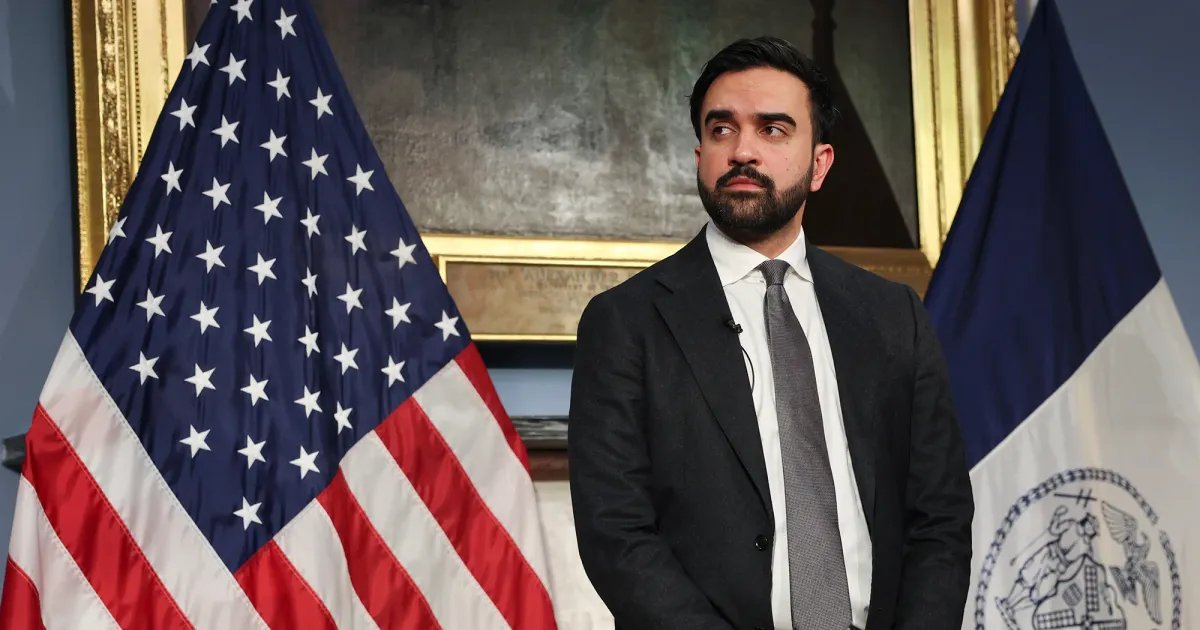
The landlords — using the LLC Kenilworth Holdings — claim in the suit that the RGB went through a “sham process” before the vote, and that Mayor Zohran Mamdani influenced the outcome of the decision. The suit also claims that the mayor appointed RGB members “predisposed to delivering a freeze,” and that the RGB “ignored evidence of soaring landlord costs and manipulated the data to understate the impact of these costs.”
Additionally, the landlords wrote in the suit that the RGB disregarded petitioners who showed that “they and similarly situated landlords cannot survive a rent freeze.”
“The RGB failed to meet its legal mandate of setting rent adjustments based on its own data and research, which strongly justified a rent increase,” said Ann Korchak, board president of Small Property Owners of New York (SPONY), whose members are plaintiffs in the lawsuit. “The rent freeze was illegal. The process was illegal and stacked against small owners of rent-stabilized properties. We are hopeful the court will address this injustice.”
It’s the first time the city’s real estate industry has challenged the legal basis for the rent freeze, and the first time it has legally challenged Mamdani since the mayor took office.
“Zohran Mamdani promised to deliver a rent freeze during his campaign, and then he went to extraordinary lengths as a new mayor to guarantee it,” Randy Mastro, a lawyer for the landlord group, told the Wall Street Journal, which first reported the news. “This is a perversion of the process.”
Deborah Riegel, a Rosenberg & Estis attorney who is co-counsel on the lawsuit, also told Commercial Observer: “This stands out pretty starkly as a politically engineered, deliberate decision to have owners bear the costs of what the mayor promised in his campaign.”
Many critics of the vote claim the mayor and the RGB — which is an independent, mandate-driven body that determines annual rent adjustments in the city — worked in tandem to decide on the rent freeze. However, a spokesperson for the mayor’s office insisted the RGB acted independently from Mamdani in its vote and “evaluated all of the relevant data and considered the factors facing both tenants and landlords” across the city.
“The Law Department is prepared to defend the RGB’s decisions. The Mamdani administration remains committed to the success of the rent-stabilization system which has prevented displacement and provided stability to generations of New Yorkers,” Matt Rauschenbach, a spokesperson for the mayor, said in a statement to CO.
A spokesperson for the RGB directed CO to the mayor’s office for a comment.
The lawsuit filed Wednesday also cites the resignation of Christina Smyth, a landlord representative and a member of the RGB since 2022. Smyth left her seat on the board just hours before the RGB’s rent freeze vote on June 25, and issued a resignation letter accusing the board of ignoring the law and voting to appease Mamdani’s agenda.
“This year’s [Rent Guidelines Board] order was decided last year on the campaign trail,” Smyth wrote in her letter at the time. “Everything since has been theater. The hearings, the reports, the public comment, the data. None of it was ever going to change the result.”
While the RGB’s vote was a win for Mamdani, who spent his mayoral campaign promising a rent freeze and more affordable housing, it was a sure sign that legal action would follow, as the decision sent the city’s landlords into uncharted territory. The vote impacted roughly 1 million apartments across five boroughs, or 40 percent of the city’s rental housing stock.
And the landlord group that filed the lawsuit isn’t alone, as the vote led pretty much the entire industry to conclude that the rent freeze was a foregone conclusion.
“This is a decision that was predetermined based on the mayor’s wishes, as he built the board to deliver what his wishes were,” Kenny Burgos, CEO of the New York Apartment Association (NYAA), told CO in June.
Also, while the NYAA isn’t a party to this litigation, Burgos told CO Wednesday that he does believe it “raises questions that have been spoken about for months,” specifically whether “this year’s process weighed the board’s own evidence, and whether a body required by law to be independent and fact-driven functioned that way.”
He added that the data also hasn’t changed since June 25, when the vote occurred. Rent-stabilized buildings in the five boroughs are still losing money.
“Whatever happens in court, the underlying problem remains: Thousands of stabilized buildings cannot cover their costs, and the housing New Yorkers depend on is deteriorating as a result,” Burgos said. “The administration has itself acknowledged that some buildings need bigger interventions. We agree, and we remain ready to work with City Hall on real solutions, like capital and lending programs for distressed buildings, expense relief, and a rent-setting process everyone can trust.”
In terms of likely outcomes for the lawsuit, Riegel said she thinks the landlord group has a “pretty compelling case.” But that’s not to say the RGB and Mamdani won’t fight it.
“My expectation is that they will fight this tooth and nail,” Riegel said. “It was a centerpiece of [Mamdani’s] campaign. He worked very hard to compose a board that would affect his campaign promise without regard to their statutory obligations to actually review the data, and there’s so many flaws in what they did legally.
“We’re at a really critical economic inflection point for owners of these properties. The data, if you looked at it honestly, is very clear that costs are way outstripping income,” Riegel added. “At the same time, the city is increasing property taxes and increasing water charges. None of that is being relieved. Insurance costs have skyrocketed. … I think it’s going to be very hard to ignore the very, very clear errors they made here.”
Isabelle Durso can be reached at idurso@commercialobserver.com.