Oil prices: WTI, Brent rise as Trump threatens more strikes on Iran
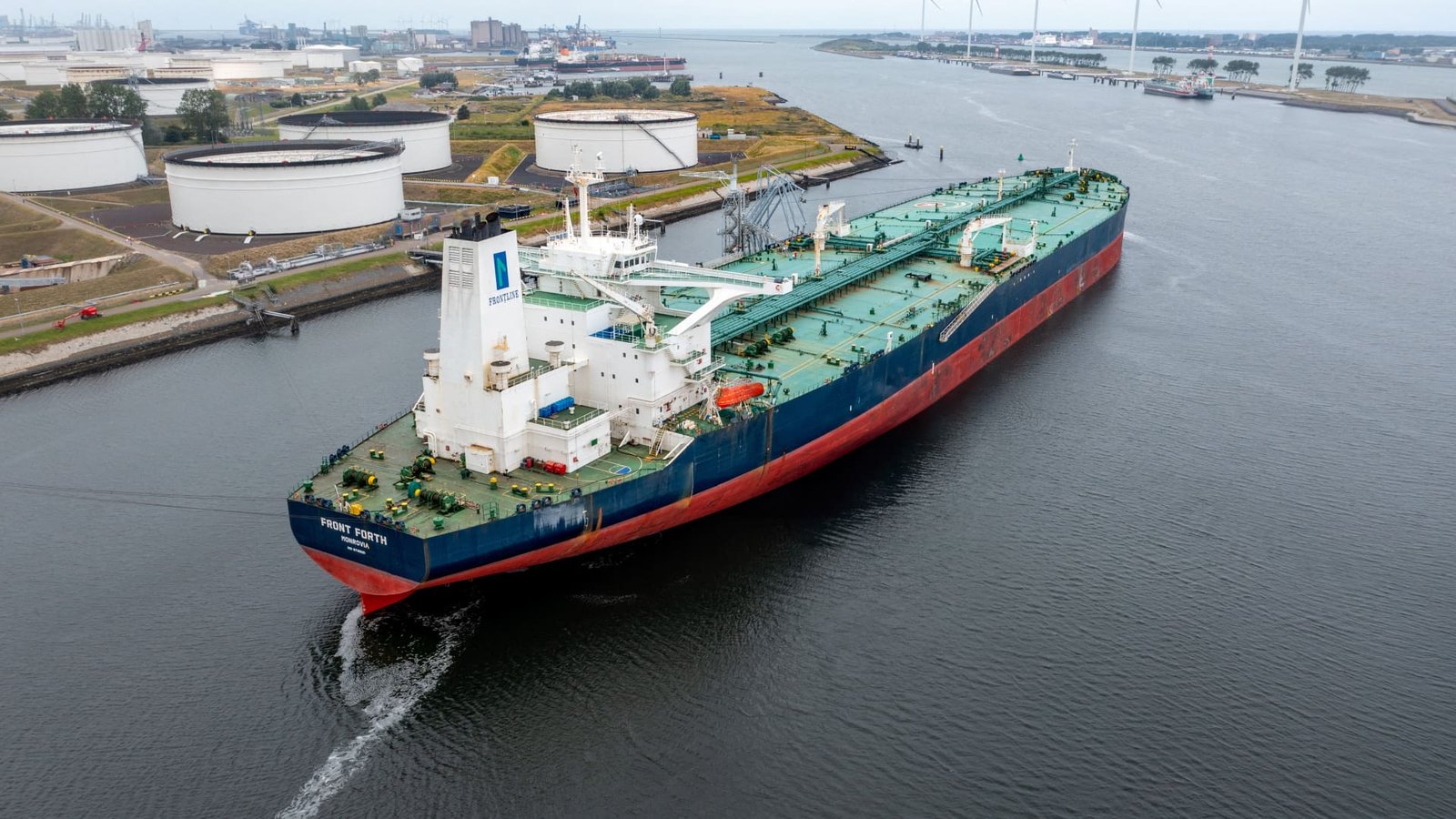
The VLCC Mobassa B (previously named Front Forth), one of the two tankers which the UAE defence ministry said was struck by Iranian cruise missiles while transiting the Strait of Hormuz, in Rotterdam, Netherlands, August 18, 2024, in this picture obtained by Reuters on July 14, 2026.
Edwin van Werd | via Reuters
Oil prices continued to climb on Thursday, with Brent crude futures surpassing $97, following reports of attacks on tankers off the coast of Saudi Arabia and the U.S. renewed threats to escalate strikes against Iran.
At 4:34 a.m. ET, Brent crude futures for July delivery gained 4% to $97.80 per barrel, marking their highest level since June 3. U.S. West Texas Intermediate crude futures advanced around 2.8% to $89.22 per barrel, their highest since June 10.
Earlier in London trading, Brent crude futures topped $98, peaking at around $98.42 before easing.

Brent crude oil futures
Thursday’s price rise put Brent crude futures on course for a monthly gain of 33.7% — the third-biggest monthly jump in the past 10 years. WTI futures were also on course for their third-largest monthly rise in a decade, on a monthly increase of 28.4%.
The United Kingdom Maritime Trade Operations posted on social media platform X on Thursday that a tanker was hit around 70 nautical miles southwest of Al Shuqaiq. The strike sparked a fire onboard that the crew was fighting, although there were no reported casualties.
It was claimed by Yemen’s Houthis, who said they had targeted two Saudi Arabian oil tankers with drones and missiles for allegedly violating their maritime blockade.
CNBC was not able to independently verify the attacks. If confirmed, the attack would be the first since the Iran-backed militant group announced a naval blockade against Saudi Arabia.
The strike came hours after Trump warned the U.S. would destroy an Iranian bridge or power plant each time Tehran attacks a ship in the Strait of Hormuz, signaling a further escalation in tensions following the collapse of the U.S.-Iran ceasefire.
“From this point forward, any time the Islamic Republic of Iran shoots at a ship in the Strait of Hormuz, whether it be by Missile, Rocket, Drone, or any other device or weapon, the United States will bomb and destroy ONE BRIDGE OR POWER PLANT,” Trump said.
Iran responded by warning it would retaliate against U.S.-linked infrastructure and energy assets across the region if Washington carried out those strikes.
“If the Americans target a bridge or a power plant in Iran, Iran will, in turn, strike infrastructure and bridges in the region, including energy facilities where the United States has interests,” an unnamed Iranian military source told state-run Tasnim News Agency.
Congress mulls White House pleas for increased funding
Speaking to CNBC’s “Access Middle East” on Thursday, Joseph Westphal, former U.S. ambassador to Saudi Arabia, said it was “incredibly difficult to understand exactly where all this is going.”
“There’s no real strategy,” he said. “The Secretary of War has been testifying before Congress, requesting greater funding for the war. Congress is very, very anxious about that. They don’t feel that there’s enough of a strategy and a plan to provide these additional funds.”
While the U.S. is spending a “tremendous amount of money,” Westphal said Washington does not have the resources to continue the war with Iran and also protect shipping through the Red Sea.
“We’ve got a real problem here,” he said. “And as gas prices continue to escalate and other commodities continue to grow in price because of this, it’s going to create a reaction on the part of the American public, not only against this war and against the strategy that’s being pursued, which is pretty much not understood by generally anybody in this country.”
On Wednesday, Secretary of State Marco Rubio said Iran was not being “serious” about reaching an agreement with Washington, while maintaining that the U.S. remained “committed to diplomacy” in the Middle East.
The recent rally in oil reflects renewed concerns over the Strait of Hormuz after the breakdown of the U.S.-Iran ceasefire, HSBC said in a note late Wednesday, warning that the outlook now hinges on whether diplomacy can restore predictable shipping flows.
“Since 7-8 July, the ceasefire has frayed as Iranian attacks on vessels transiting the strait of Hormuz prompted U.S. retaliatory strikes,” said Kim Fustier, the bank’s senior global oil and gas analyst.
“The core issue remains unresolved: whether passage is administered, and by whom. In hindsight, the more traffic was rising through the US-managed Omani lane, the less this outcome suited Iran,” added Fustier.