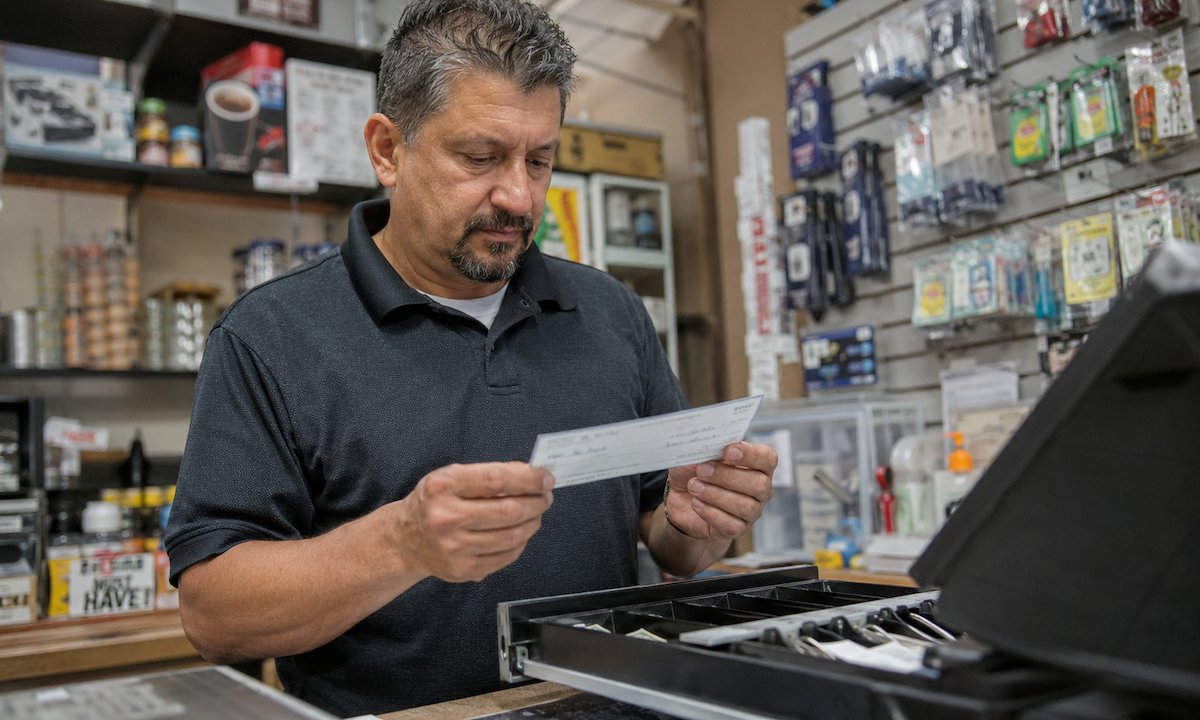
Retail Stores Are Becoming Financial Destinations
Retailers measured success by the products that left the store — a tally that’s as old as commerce. Today another metric is beginning to matter: the financial activity that takes place before customers reach the exit.
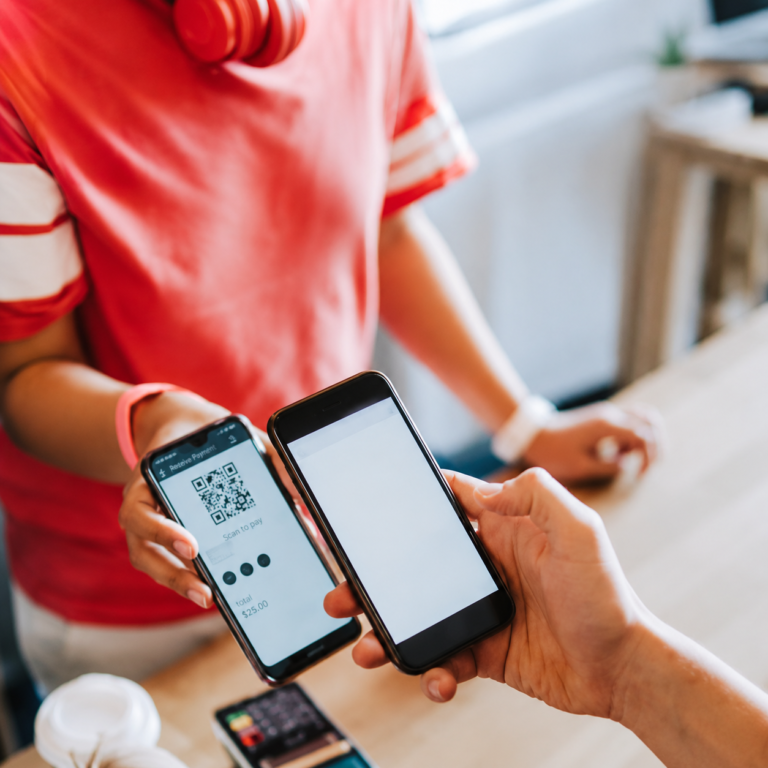
Consumers still arrive to buy groceries, refill prescriptions and pick up household necessities. During the same visit they may also load cash into a digital wallet, pay a utility bill, fund an account or move money to family members. Those transactions would once have required a trip to a bank branch, check-cashing outlet or dedicated financial services location. They now fit naturally into errands consumers were already planning to make.
Digital wallets, mobile banking and payment applications have accustomed consumers to handling money whenever the need arises. Physical retail has become another point along that journey rather than a separate destination.
Crystal Bryant-Minter, senior vice president and general manager of Green Dot’s Consumer Division, noted during a recent PYMNTS roundtable that retailers should not mistake the continuing use of cash for resistance to digital finance.
“Cash isn’t dying. Cash only is,” she said. Consumers who rely on cash “are not opting out of the financial system. They’re really looking for on ramps that fit their everyday lives. And the store is the most natural one.”
Boris Goykhman, director of Consumer Financial Services at PayPal, said that although his company built its business around digital commerce, physical retail has become part of the company’s digital infrastructure because some financial tasks still begin with cash.
“There are things that no app can do on its own,” he said, describing neighborhood retailers as “their front door to the digital economy” for many consumers.
Those comments point toward the same conclusion. Physical stores are becoming more valuable because digital finance still requires trusted places where consumers can begin or complete certain transactions.
The Store Experience Has Become Part of the Financial Product
Consumers no longer compare an in-store payment with another bill-payment service. They compare it with ordering dinner, booking travel or making a purchase through a mobile app. Every unnecessary step changes how they judge the experience.
Steve Kramer, vice president of product at PayNearMe, said consumers ask a simple question: “Why isn’t it just that easy?”
That expectation extends to everyone involved in the transaction. Customers should not have to search through multiple screens for a barcode. Cashiers should not switch between systems or memorize unfamiliar procedures. If either side encounters hesitation at checkout, confidence falls quickly.
Kramer described the ideal outcome as “the sound of silence.”
“Nobody’s talking about it. Nobody’s complaining about it. It just kind of works,” Kramer said.
Bryant-Minter said achieving that simplicity depends upon clear responsibilities across the ecosystem. Retailers should focus on serving customers. Infrastructure providers should manage compliance, fraud controls, bank relationships and money movement. FinTech providers should concentrate on the customer experience rather than reconstructing regulated banking infrastructure.
That division of responsibilities has become more significant as retailers explore financial services without attempting to operate as financial institutions themselves.
The commercial opportunity extends beyond transaction fees. Recurring bill payments, wallet funding and cash deposits create reasons for customers to return throughout the month. Those repeat visits may strengthen loyalty programs, introduce shoppers to additional services and provide retailers with another avenue for building lasting customer relationships.
PayPal evaluates whether those services attract consumers who otherwise would not have visited a store. Goykhman said the objective is not simply generating another transaction but creating routines that keep customers returning over time.
Artificial intelligence may reinforce those habits rather than replace them.
Goykhman said AI-powered wallets could identify when a customer’s balance is low, direct that person to a nearby participating retailer and present relevant merchant offers before the visit begins. Bryant-Minter envisioned loyalty programs that treat financial activities such as bill payments or account funding as reward-earning events alongside traditional purchases. Kramer added that AI can initiate the customer journey digitally while the physical store remains the place where the transaction is completed.
Stores are acquiring another function rather than replacing an existing one. They remain retail locations, but they are also becoming places where consumers manage everyday financial activity with the same familiarity as the rest of their shopping.
Watch the full interview to find out:
- How retailers can identify the first financial service that best matches their customer base.
- Why measuring new customer visits may be more meaningful than counting transactions.
- How checkout design influences customer adoption as much as the financial product itself.