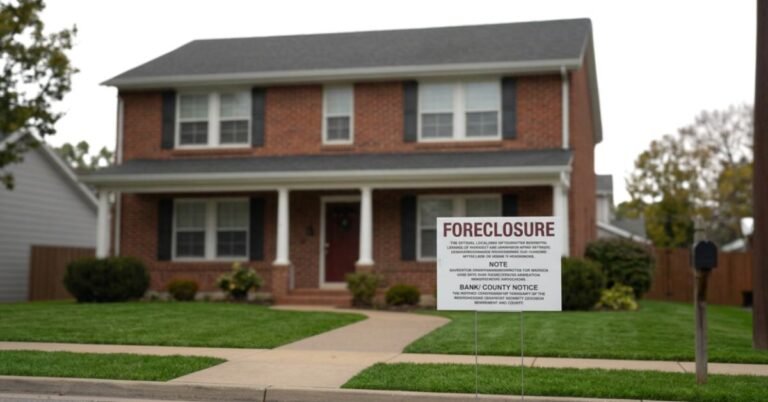
Homeowner sues PHH, Flagstar and Freedom Mortgage over alleged servicing failures
Those answers, the lawsuit claims, never fully arrived. He says Flagstar wrote back on July 1, 2019 confirming it had received his letter but not providing what he had requested, and that the paperwork it did send was incomplete, including a note missing its signature page. PHH acknowledged the request on July 20, 2019, he says. According to the filing, PHH then wrote in September 2019 to say it was sending the request for additional review, and again in October 2019 to say it needed more time and would respond by a set date. The complete response he was after, the filing states, did not come.
The loan, meanwhile, kept moving. The suit alleges MERS assigned the mortgage to Pingora Loan Servicing on July 16, 2019 – during the dispute – and that Pingora sued him on the same loan that October. In December 2022, according to the court papers, Pingora assigned the mortgage on to Freedom Mortgage. The borrower says he never received meaningful account or transfer information from Pingora “other than the later lawsuit filed against him.”
He also raises an argument servicers have fielded before: he alleges that MERS was named only as nominee and never held the promissory note, which he contends separated the mortgage from the note in a way that, in his view, weakened the authority to enforce the debt.
The dispute reached its costliest point in state court. The filing says the foreclosure case in the Philadelphia Court of Common Pleas ended in a final judgment for Freedom Mortgage on or about July 7, 2025, fixing the amount owed at $195,039.42. The homeowner treats that sum as the heart of his claimed damages, along with lost equity, legal costs, credit harm, and emotional distress.
His federal case rests on six counts: alleged violations of the Real Estate Settlement Procedures Act (RESPA) and the Truth in Lending Act (TILA), and state-law claims for fraud, fraudulent misrepresentation and concealment, unjust enrichment, and a request for declaratory judgment. He is asking for actual damages, statutory damages where the law allows, punitive damages, costs, and a court declaration that the companies fell short of their RESPA and TILA obligations.