Mixed-Use Strategies Can Change Sport Venue Economies
Sport venues were once designed for one thing: Entertainment. However, JLL reported that at least half of Major League Baseball organizations will be eyeing a new stadium or major redevelopment by 2040.
At the same time, investors and developers are repositioning sporting venues from single-purpose game-day usage into year-round, mixed-use districts that combine residential, office, retail and hospitality uses. According to a recent JLL report, the result of such actions can generate diversified revenue streams while reducing reliance on event-drive performances.
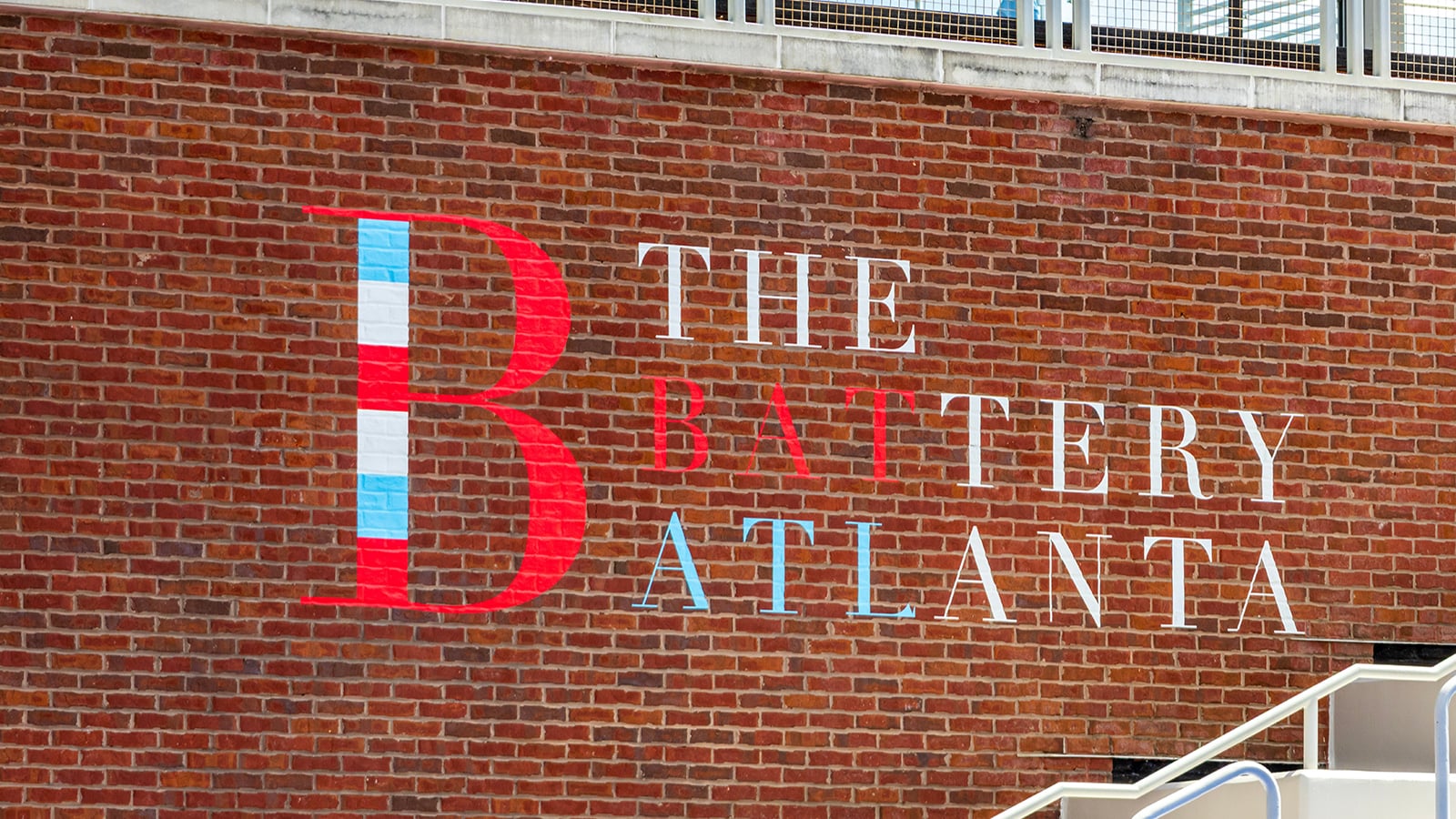
The Battery Atlanta: The Gold Standard
The Battery Atlanta is a mixed-use development in the Atlanta MSA. Spearheaded by the Atlanta Braves baseball team, the 60-acre site contains a stadium and concert venue, over one million square feet of commercial space, 500 multifamily units and a 406-key Omni Hotel.
The report said that the residential component has 1.7% higher occupancy rates than the submarket. Meanwhile, the office and retail spaces are close to full occupancy.
Additionally, “the Atlanta Braves are the only team in the MLB to hit nearly 90% attendance relative to capacity, despite experiencing a losing record during 2025,” JLL said.
Better Use for Spring Training Venues
MLB spring training facilities operate for about six weeks each year, with “50% of annual attendance occurring from late February through March.” Then things shut down.
JLL research said that the 23 spring training centers are in some of the fastest-growing cities of the U.S., averaging about 100 acres each. By increasing off-season utilization by as little as 10% capacity, 2 million visits could be generated; activating these venues year-round could attract as many as 7 million additional visits.
Women’s Sports Equals More Potential
With attendance increasing across the Women’s National Basketball Association (WNBA), National Women’s Soccer League (NWSL), and Professional Women’s Hockey League (PWHL), the JLL report suggested that “future venues tied to women’s sports have an opportunity to be integrated into mixed-use environments and reflect the same ecosystem-based approach noted in more established markets.”
Beyond the mix of uses, JLL said that successful mixed-use sports venues help support placemaking, which, in turn, encourages visitors to remain. The report also suggested analyzing issues like arrival and access, flow and navigation, peak loads and ease of exit to support repeat visits.
Photo: Marcus E. Jones/Shutterstock
The post Mixed-Use Strategies Can Change Sport Venue Economies appeared first on Connect CRE.