Canada’s housing market recovery faces extended wait
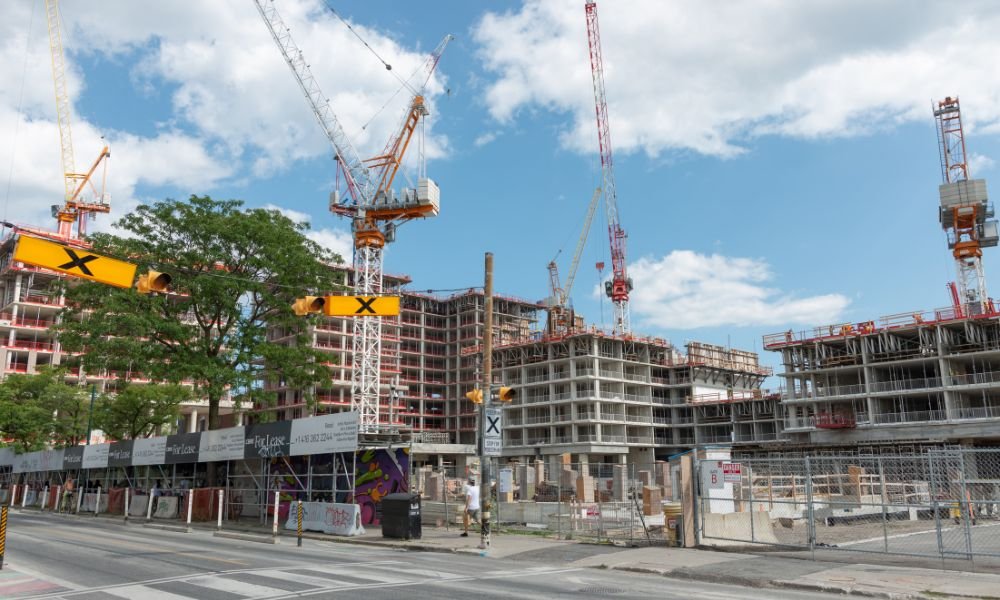
RBC’s report points to a buyer pool that remains hesitant. Weak economic confidence, uncertain job prospects, and affordability concerns are keeping prospective buyers on the sidelines. Inventory has shown signs of stabilizing in Ontario and British Columbia, where active listings hit decade-long highs in 2025.
“Seller competition is beginning to ease as a result in some softer markets,” Hogue wrote. He noted signs that the balance of negotiating power is steadying home values in parts of Southern Ontario, including the Greater Toronto Area.
Outside Ontario, the picture is mixed. Saskatchewan, Manitoba, Quebec, and parts of Atlantic Canada are seeing prices hold or appreciate, reflecting tighter supply-demand conditions. British Columbia is seeing pressure from both the supply and demand sides at the same time. It’s an unusual dynamic that warrants attention for clients with concentrated exposure in that market.
RBC outlined the conditions needed for a broader recovery: lower prices in some areas, improving affordability, and better job prospects gradually drawing sidelined buyers back in. But the bank also flagged meaningful downside risks, including geopolitical disruption, an energy price spike, or a deterioration in the labour market.
For advisors managing clients with real estate-heavy portfolios, understanding what drives housing starts and construction activity matters beyond the residential market itself. Construction slowdowns ripple into broader economic output, employment data, and the financial health of developers whose debt is held across fixed income portfolios.