Trump’s Latest Visa Move Puts an Expiration Date on Studying in the US
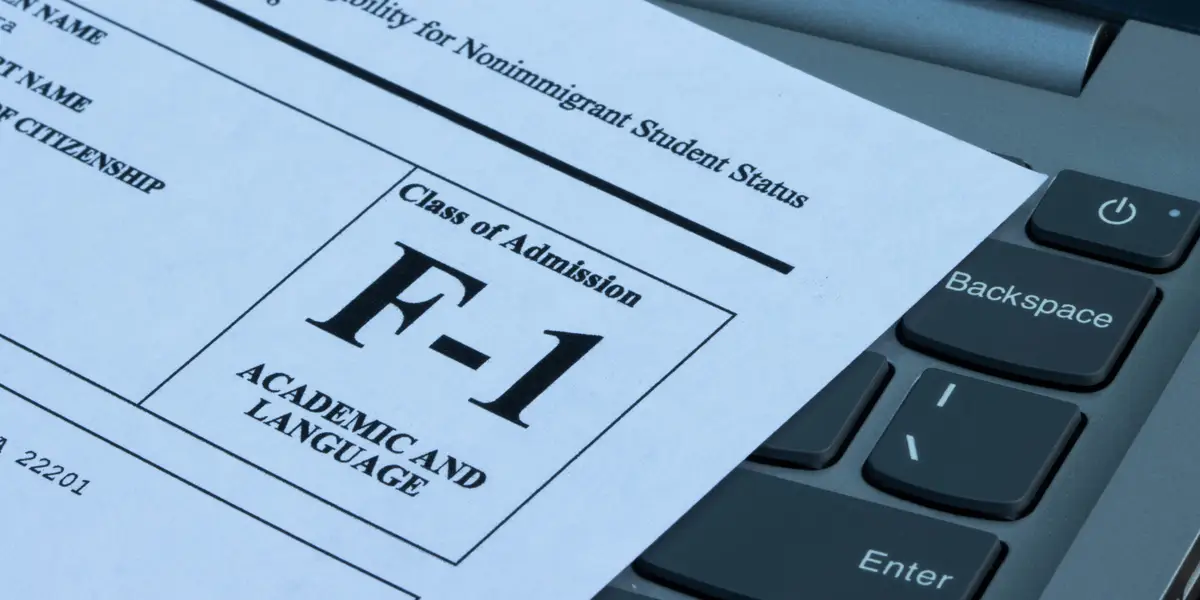
The Trump administration is introducing a new rule that puts an expiration date on how long people on student visas can initially stay in the US.
For decades, international students have been allowed to remain in the US on a student visa, called the F-1, for the duration of their course of study. But in a new rule announced Thursday, the Department of Homeland Security said it would cap the initial admission period at four years, regardless of how long a visa holder’s course lasts.
The DHS said the rule will come into effect on September 15, pending a congressional review. Once the rule is in effect, to extend their stay beyond four years, F-1 student visa holders must apply to the DHS or leave and re-enter the country to regain admission.
Today’s ruling will also bring about other changes. After completing a program, students can no longer start a different program at the same or a lower academic level on an F-1 status. Instead, they can only begin a new program at a higher level. For instance, if a visa holder completed a master’s degree in the US, they could do a Ph.D but not another master’s or a bachelor’s.
The period of time for students to depart the US after completing their program or post-completion practical training will be reduced from 60 to 30 days.
The department cited several factors for the changes, including challenges to oversight due to a “dramatic rise” in the number of international students being admitted to study in the US over recent decades, overstays, fraud and abuse, and national security.
Markwayne Mullin, the secretary of Homeland Security, said: “By implementing clear, finite limits on these visas, the United States is reclaiming its ability to properly screen, vet, and monitor individuals within our borders. This final rule ensures that foreign students remain focused on their primary purpose: completing their studies and returning home.”
The rule states that the “DHS does not believe such a requirement will place an undue burden on F, J, and I nonimmigrants,” referring to people on student, exchange visitor, and foreign media visas, who are all impacted by the changes. It adds that those who are unable to complete their studies or other activities within their period of admission “will generally be able to request an extension.”
Fanta Aw, the CEO of NAFSA, an international education non-profit organization, said: “At a time when global competition for talent is intensifying, this policy sends exactly the wrong message. It tells the world’s brightest students and scholars that the United States is becoming less welcoming, less predictable, and less committed.”
The Trump administration previously introduced a $100,000 fee for the H-1B visa
This is the latest move by the Trump administration to tighten US visa and immigration policies. Last year, Silicon Valley was rocked by the government introducing a $100,000 fee for employers sponsoring some new H-1B applications for foreign workers. The ruling was later struck down by a federal judge and remains in litigation.
In May, a US Citizenship and Immigration Services memo implied that people who could previously apply for a green card from inside the US may now have to leave the country while their case is being processed.