Good News for Renters: US Cities Building the Most Apartments
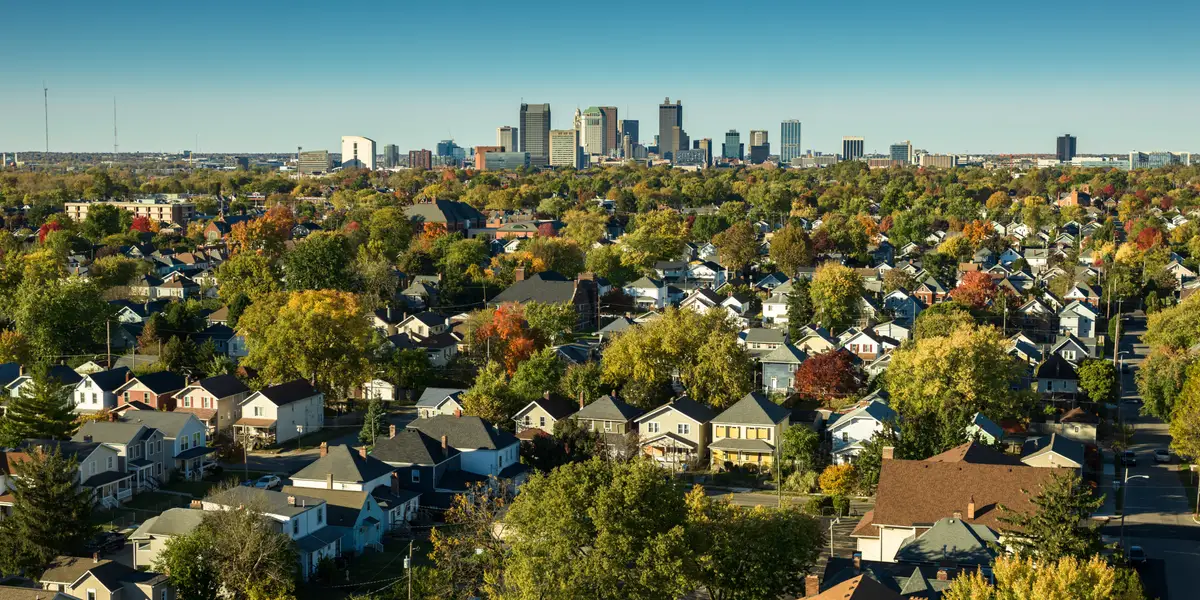
America’s latest apartment building haven might be Columbus, Ohio.
The midsize metro is seeing its highest permit rate for multifamily housing, like apartment buildings, since 2019. Thanks to density-friendly zoning reforms, the city is set to add thousands of homes, giving renters more options that could make the market more affordable over time. Las Vegas, Oklahoma City, and Birmingham, Alabama, are reporting similar upticks, per a July Realtor.com Renter Report. And they’re bucking a national trend: Overall US multifamily approvals are still 13.1% lower than they were in five years ago.
Increasing housing supply through new construction is one way cities can meet demand and drive down costs for renters — especially as many urban areas face a mounting affordability crisis. Increasing supply won’t be a perfect solution, but building more housing may alleviate residents’ long-term cost burden.
Here’s what to know about 2026’s builder-friendly cities, and what it all means for renters.
Some midsize cities are building the most apartments
Realtor.com’s report found that cities like Columbus and Cleveland are seeing their highest multifamily permit approval rates since 2019. According to the report, construction and density-friendly zoning reforms are partially to thank, with Columbus expected to build up to 88,000 new homes over the next decade through the city’s “Zone In” plan.
Some high-cost-of-living cities, on the other hand, reported five-year lows in permit rates. New York City, Seattle, Austin, and Washington, DC fall into this category, as demand far outpaces the number of available homes. Economists at Realtor.com said that policies like NYC’s newly approved rent freeze on rent-stabilized units “could push market rates higher without new supply to offset it.” In New York’s case, time will tell if Mayor Zohran Mamdani’s plan to build 200,000 new homes during his term can fill the gap.
More supply could drive down rental costs
Permit rates for new builds have implications for both buyers and renters. Business Insider has heard from multi-generational families moving under one roof to save money, single parents cobbling together steep rent bills, and developers converting old hotels into apartments.
If a city approves new construction — or the conversion of hotel or office space into homes — it may contribute to lower prices over time. The median asking rent in the Columbus area was $1,180 last month, down 1.5% from a year ago. In most locations, the Realtor.com report shows that rents tend to drop as higher permit approvals for multifamily units rise. National median rents have also dipped from 2022 peaks.
Still, increasing supply isn’t a cure-all for affordability. A recent analysis from Harvard Joint Center for Housing Studies found that the number of US units renting for less than $1,000 per month in inflation-adjusted terms dropped by more than 30% between 2014 and 2024. The supply of higher-rent units grew by 46% during the same period. It indicates that many higher-cost rentals are sitting empty because households cannot afford to move.
About half of US renter households were cost-burdened in 2024 — meaning they spend at least 30% of their income on housing, the Harvard study found. In expensive cities like New York, the number is higher. This comes as the prices of food, childcare, and healthcare continue to rise in urban areas, while wage growth is barely keeping pace with inflation, after outpacing it earlier this summer. Many Americans are feeling these economic trends as a hit to their buying power.
Economists did have some good news, however. The Realtor.com report said the momentum in multifamily construction in many top metros is expected to continue, translating to “modest rent relief” for residents later this year.